 High Precision & Accuracy – Tolerances as tight as ±0.001″ (0.025mm) or better. Faster Production – Automated operations reduce human error and increase efficiency. Complex Geometries – Multi-axis CNC machines can produce intricate shapes that are difficult or impossible with manual methods. Repeatability – Ideal for mass production of identical parts. What is CNC Machining Used For? CNC machining is widely used across industries for: Prototyping & End-Use Parts – Functional components for aerospace, automotive, medical, and electronics. Tooling – Molds for plastic injection molding, die casting, and stamping dies. Secondary Operations – Drilling, tapping, milling, and finishing on pre-machined or cast/forged parts. Custom Fabrication – One-off or low-volume precision parts. Types of CNC Machines While there are many specialized CNC machines, the most common include: CNC Mills – Versatile 3-axis to 5-axis machines for milling complex shapes. CNC Lathes – For turning cylindrical parts. CNC Routers – Used for wood, plastics, and softer metals. CNC EDM (Electrical Discharge Machining) – For hard metals and intricate details. CNC Grinders – For high-precision surface finishing. At Star Rapid, we primarily use multi-axis CNC milling machines for their flexibility in producing high-quality machined parts, molds, and prototypes.
What is CNC Machining?
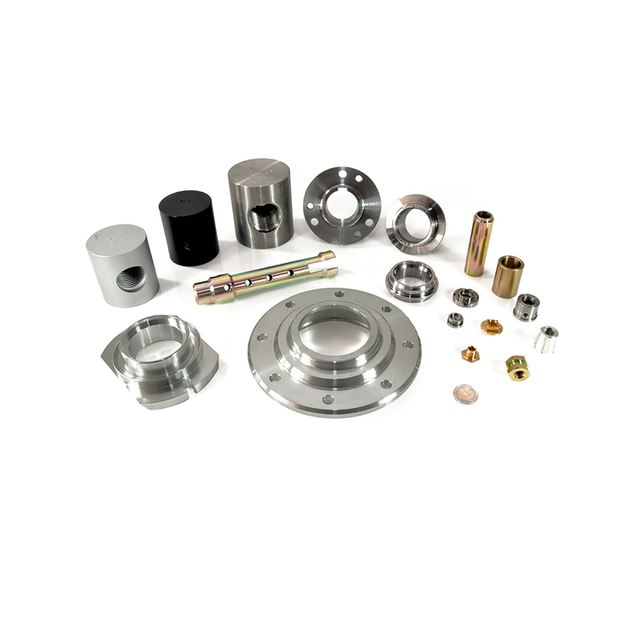
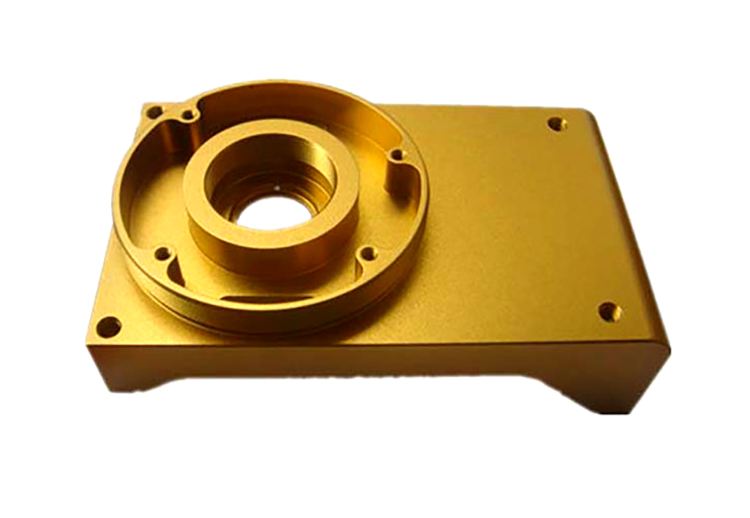
CNC (Computer Numerical Control) machining is a subtractive manufacturing process where a computer-controlled machine tool removes material from a workpiece to create a custom-designed part. Unlike manual machining, CNC relies on programmed instructions (typically G-code) to precisely control the movement of cutting tools, ensuring high accuracy, speed, and repeatability.
Key Advantages of CNC Machining
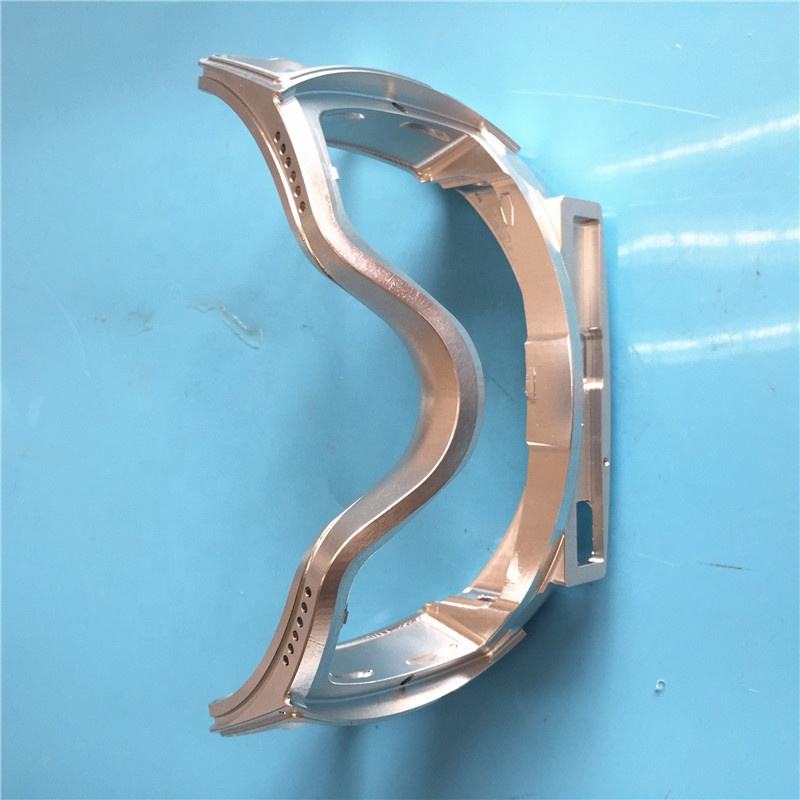
High Precision & Accuracy – Capable of tolerances as tight as ±0.001″ (0.025mm) or better. Faster Production – Automation reduces human error and increases efficiency. Complex Geometries – Multi-axis CNC machines (3-axis, 4-axis, 5-axis) can produce intricate shapes that are difficult or impossible with manual methods. Repeatability – Ideal for mass production of identical parts. Material Versatility – Works with metals (aluminum, steel, titanium), plastics, wood, and composites.
What is CNC Machining Used For?
CNC machining is widely used across industries for:
-
Prototyping & End-Use Parts – Functional components for aerospace, automotive, medical, and electronics.
-
Tooling – Molds for plastic injection molding, die casting, and stamping dies.
-
Secondary Operations – Drilling, tapping, milling, and finishing on pre-machined or cast/forged parts.
-
Custom Fabrication – One-off or low-volume precision parts.
Types of CNC Machines
| Machine Type | Primary Use |
|---|---|
| CNC Mills | 3-axis to 5-axis milling for complex shapes. |
| CNC Lathes | Turning cylindrical parts (e.g., shafts, screws). |
| CNC Routers | Cutting wood, plastics, and softer metals. |
| CNC EDM | Electrical Discharge Machining for hard metals. |
| CNC Grinders | High-precision surface finishing. |
At PuKong Prototype, multi-axis CNC milling is commonly used for producing high-quality machined parts, molds, and prototypes.