1. Introduction
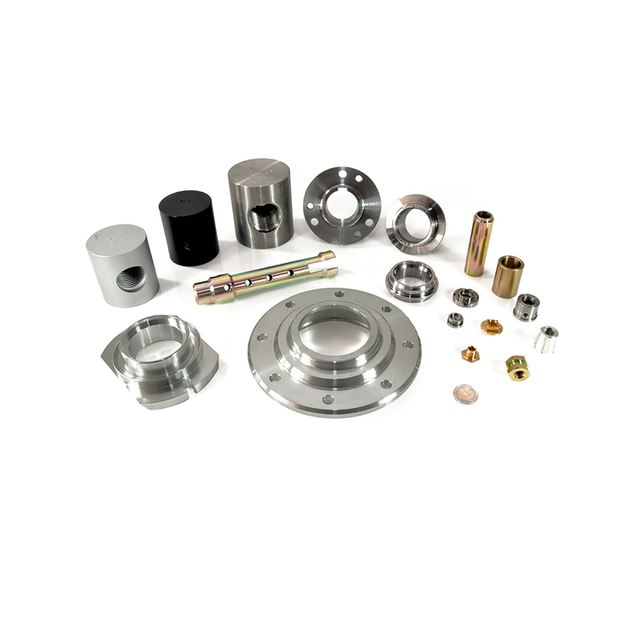
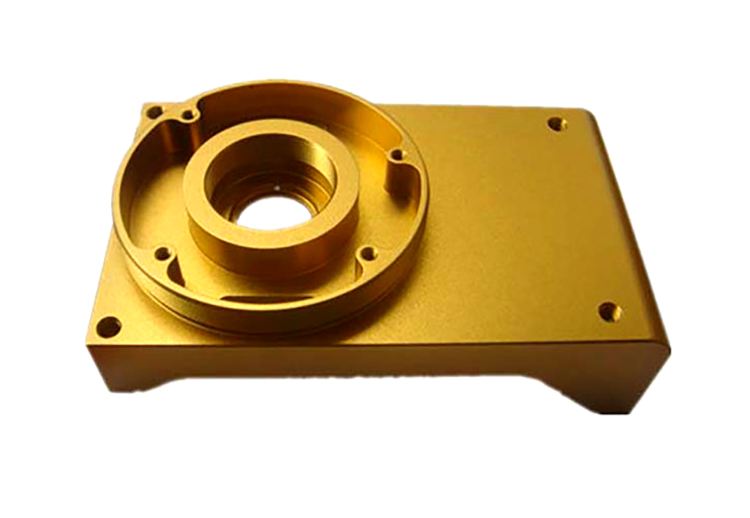
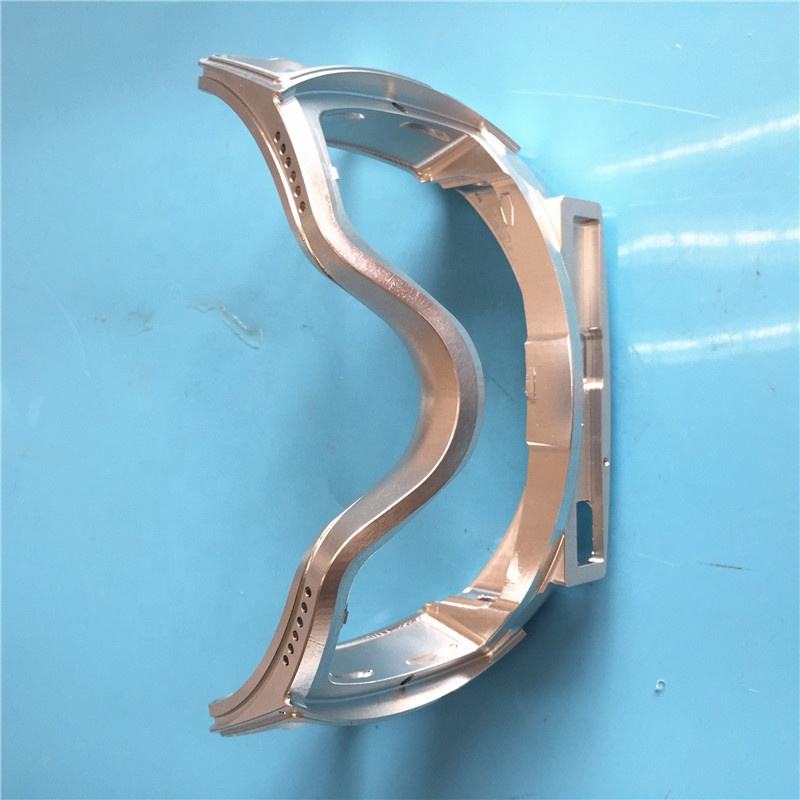
CNC (Computer Numerical Control) machining is a precision manufacturing process used to produce high-quality custom parts from various materials, including metals, plastics, and composites. The workflow from a customer’s initial inquiry to final delivery and payment involves multiple stages, each requiring clear communication, technical expertise, and efficient project management.
This document provides a detailed, step-by-step breakdown of the entire process, covering:
- Inquiry & Quotation (RFQ)
- Order Confirmation & Contract Agreement
- Engineering & Design Review (DFM Feedback)
- Material Procurement & Setup
- CNC Machining & Quality Control (QC)
- Post-Processing & Finishing
- Packaging & Shipping
- Payment & After-Sales Support
2. Step-by-Step Process Breakdown
2.1 Inquiry & Request for Quotation (RFQ)
Customer Submission:
The process begins when a customer submits an inquiry, typically including:
- Technical drawings (2D/3D CAD files in formats like STEP, IGES, DWG, or PDF).
- Material specifications (e.g., Aluminum 6061, Stainless Steel 303, POM, etc.).
- Quantity requirements (prototype, low-volume, or mass production).
- Tolerances & surface finish requirements (e.g., ±0.005″, Ra 0.8µm).
- Additional services (e.g., anodizing, plating, heat treatment).
Supplier Evaluation:
The CNC machining supplier reviews the request for:
- Manufacturability (Are the designs feasible for CNC machining?).
- Material availability (Is the requested material in stock?).
- Lead time estimation (Standard or expedited production?).
- Cost factors (Machine time, tooling, labor, finishing).
Quotation (RFQ Response):
The supplier provides a formal quote, including:
- Unit price & total cost (based on quantity).
- Lead time (from order confirmation to shipment).
- Payment terms (e.g., 30% deposit, 70% before shipment).
- Shipping options & costs (DHL, FedEx, sea freight).
- Terms & conditions (e.g., liability, rework policies).
2.2 Order Confirmation & Contract Agreement
Once the customer approves the quote:
- A Purchase Order (PO) is issued, detailing part numbers, quantities, and delivery expectations.
- A contract or service agreement may be signed, covering:
- Intellectual Property (IP) protection (NDA if required).
- Quality standards (ISO 9001, AS9100, etc.).
- Inspection protocols (first-article inspection, PPAP).
- Liability & rework clauses (defect resolution process).
Payment Terms Activation:
- A deposit (30–50%) is typically required before production begins.
- Payment methods: Wire transfer (TT), PayPal, Credit Card, or LC (Letter of Credit) for large orders.
2.3 Engineering & Design for Manufacturability (DFM) Review
Before machining, engineers conduct a DFM analysis to:
- Optimize part geometry (reduce complex undercuts, sharp corners).
- Suggest cost-saving modifications (e.g., alternative materials, tolerances).
- Select the best machining strategy (3-axis, 4-axis, or 5-axis CNC).
- Confirm tooling requirements (end mills, drills, fixtures).
Customer Approval:
- The supplier may provide a revised CAD model or machining simulation.
- Once approved, the final CAM (Computer-Aided Manufacturing) program is generated.
2.4 Material Procurement & Machine Setup
Material Sourcing:
- Raw materials are ordered (if not in stock and usually takes 1~3 days).
- Certifications (e.g., Mill Test Reports for metals) are provided upon request.
CNC Machine Setup:
- Workholding: Fixtures/jigs are prepared to secure the workpiece.
- Tooling Setup: Appropriate cutters, drills, and inserts are selected.
- Program Loading: The CAM file is uploaded to the CNC machine.
2.5 CNC Machining & In-Process Quality Control
Machining Process:
- Roughing (removes bulk material).
- Finishing (achieves tight tolerances).
- Deburring (removes sharp edges).
Quality Checks:
- First-Article Inspection (FAI): The first part is measured against CAD specs.
- Dimensional Inspection: CMM (Coordinate Measuring Machine) or manual calipers/gauges verify tolerances.
- Surface Finish Test: Profilometers check roughness (Ra, Rz values).
2.6 Post-Processing & Surface Finishing
Optional secondary operations may include:
- Anodizing (for corrosion resistance).
- Powder coating/painting (for aesthetics).
- Heat treatment (for strength enhancement).
- Plating (Ni, Cr, Zn,Silver,Gold) for wear resistance.
2.7 Final Inspection & Packaging
Final QC:
- 100% inspection (for critical parts) or batch sampling (for large orders).
- Documentation: Inspection reports (e.g., PPAP, COC) are provided.
Packaging:
- Anti-corrosion treatment (VCI paper, vacuum sealing).
- Custom packaging (foam inserts, wooden crates for fragile parts).
2.8 Shipping & Logistics
- Shipping documents (commercial invoice, packing list, COO) are prepared.
- Tracking details are shared with the customer.
- Customs clearance support (for international shipments).
2.9 Payment & After-Sales Support
- Final payment (remaining 50–70%) is processed before/during shipment.
- Warranty & support: Defective parts are replaced per agreement.
- Feedback collection for continuous improvement.
3. Conclusion
The CNC machining process involves precise coordination between the customer and supplier to ensure quality, cost-efficiency, and on-time delivery. By following structured steps—from RFQ to final QC and payment—both parties minimize risks and achieve successful project outcomes.
For fast-turnaround CNC machining, suppliers with in-house tooling, multi-axis capabilities, and ISO-certified QC are preferred.
Would you like additional details on specific certifications, rapid prototyping options, or supply chain optimizations? Let me know how I can refine this further!