Introduction
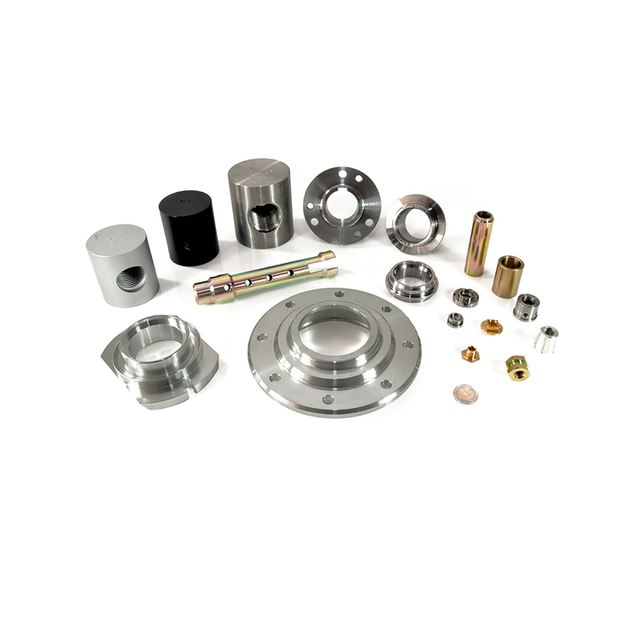
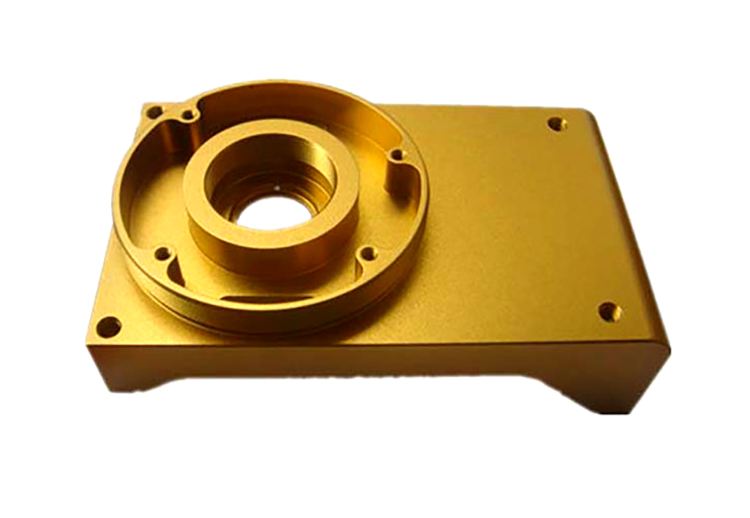
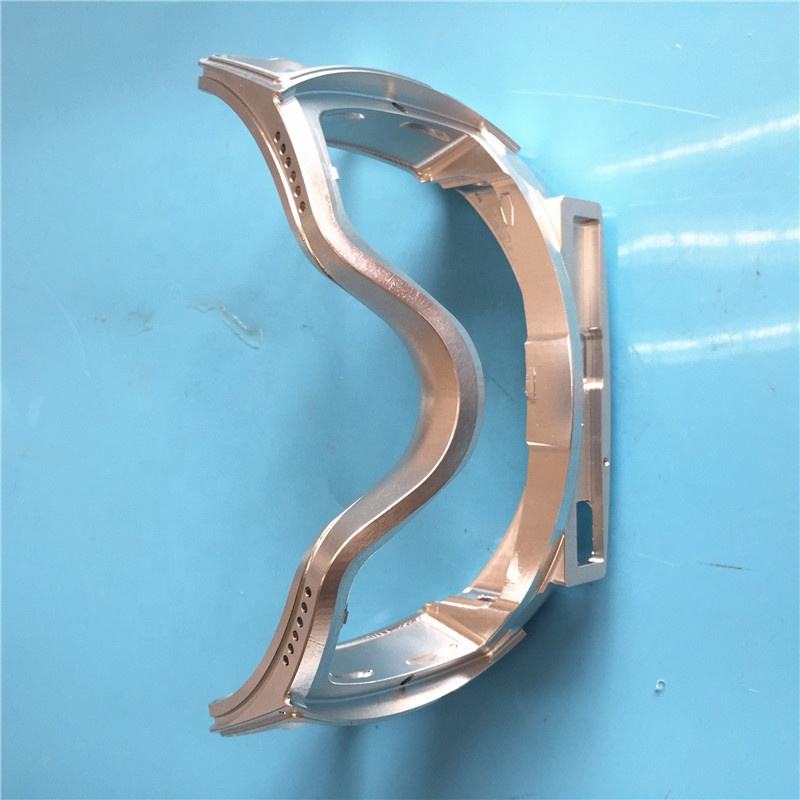
CNC (Computer Numerical Control) machining is a subtractive manufacturing process that uses computerized controls to remove material from a workpiece, creating precise parts. The choice of material is crucial, as it affects the part’s performance, cost, and manufacturability.
This article explores the most common CNC machining materials, their approximate prices, and their key advantages and disadvantages.
1. Metals
1.1 Aluminum
Common Grades: 6061, 6063,6082,7075, 2017,2024, 5052
Price Range: $5 – $15 per kg (varies by grade and supplier)
Advantages:
- Lightweight yet strong – Ideal for aerospace and automotive applications.
- Excellent machinability – Easy to cut, leading to faster production times.
- Good corrosion resistance – Especially anodized or treated aluminum.
- High thermal & electrical conductivity – Suitable for heat sinks and electronic enclosures.
Disadvantages:
- Lower strength than steel – Not suitable for high-stress applications.
- Softer than steel – Prone to wear in abrasive environments.
1.2 Stainless Steel
Common Grades: 304, 316, 303, 17-4 PH
Price Range: $6 – $10per kg
Advantages:
- High corrosion resistance – Ideal for medical, marine, and food-grade applications.
- Excellent strength & durability – Suitable for structural and load-bearing parts.
- Heat resistance – Performs well in high-temperature environments.
Disadvantages:
- Harder to machine – Requires slower speeds and specialized tooling.
- More expensive than aluminum – Higher material and machining costs.
1.3 Carbon Steel
Common Grades: 1018, 1045, 4140, A36
Price Range: $3 – $6 per kg
Advantages:
- High strength & toughness – Used in automotive and industrial machinery.
- Cost-effective – Cheaper than stainless steel and titanium.
- Good machinability – Easier to cut than stainless steel.
Disadvantages:
- Prone to rust – Requires coatings (e.g., plating, painting) for corrosion resistance.
- Heavier than aluminum – Not ideal for weight-sensitive applications.
1.4 Titanium
Common Grades: Grade 2, Grade 5 (Ti-6Al-4V)
Price Range: $30 – $100 per kg
Advantages:
- Exceptional strength-to-weight ratio – Used in aerospace and medical implants.
- Biocompatible – Safe for medical and dental applications.
- Corrosion-resistant – Performs well in harsh environments.
Disadvantages:
- Very expensive – High material and machining costs.
- Difficult to machine – Generates heat, wears tools quickly, and requires specialized equipment.
1.5 Brass
Common Grades: C360 (Free-Cutting Brass), C260 (Cartridge Brass)
Price Range: $8 – $12 per kg
Advantages:
- Excellent machinability – Produces smooth finishes with minimal tool wear.
- Good corrosion resistance – Suitable for plumbing and marine applications.
- Aesthetic appeal – Often used for decorative parts.
Disadvantages:
- Softer than steel – Not ideal for high-stress applications.
- Expensive compared to some steels – Higher cost than carbon steel.
2. Plastics
2.1 ABS (Acrylonitrile Butadiene Styrene)
Price Range: $4 – $8 per kg
Advantages:
- Impact-resistant & durable – Used in automotive and consumer goods.
- Easy to machine & post-process – Can be sanded, painted, or glued.
- Low cost – Affordable for prototyping and functional parts.
Disadvantages:
- Low heat resistance – Deforms at high temperatures.
- Prone to UV degradation – Not suitable for outdoor use without treatment.
2.2 Nylon (Polyamide, PA)
Price Range: $6 – $10 per kg
Advantages:
- High wear resistance – Used for gears and bearings.
- Good chemical resistance – Performs well in industrial environments.
- Flexible yet strong – Suitable for moving parts.
Disadvantages:
- Absorbs moisture – Can warp or weaken in humid conditions.
- Difficult to machine smoothly – Tends to melt or fray during cutting.
2.3 POM (Delrin, Acetal)
Price Range: $6 – $10 per kg
Advantages:
- Excellent dimensional stability – Maintains shape under stress.
- Low friction & high stiffness – Ideal for precision mechanical parts.
- Good chemical resistance – Resists solvents and fuels.
Disadvantages:
- Prone to cracking under impact – Not as tough as nylon.
- Releases formaldehyde when overheated – Requires proper ventilation.
2.4 PTFE (Teflon)
Price Range: $10 – $40 per kg
Advantages:
- Extremely low friction – Used in seals and bearings.
- Chemically inert – Resists almost all chemicals.
- High heat resistance – Works in extreme temperatures.
Disadvantages:
- Very soft & difficult to machine – Requires specialized tooling.
- Expensive – High material cost.
2.5 Polycarbonate (PC)
Price Range: $6 – $10 per kg
Advantages:
- High impact resistance – Used for bulletproof glass and safety shields.
- Transparent options available – Suitable for optical applications.
- Good heat resistance – More stable than ABS.
Disadvantages:
- Prone to scratching – Requires coatings for durability.
- Can crack under stress – Not ideal for high-load applications.
3. Other Materials
3.1 Copper
Price Range: $10 – $30 per kg
Advantages:
- Best electrical & thermal conductivity – Used in electronics and heat exchangers.
- Antimicrobial properties – Suitable for medical devices.
Disadvantages:
- Soft & gummy when machined – Requires sharp tools and slow speeds.
- Expensive – Higher cost than aluminum and steel.
3.2 Magnesium
Price Range: $8 – $15 per kg
Advantages:
- Lightest structural metal – Used in aerospace and automotive.
- Good machinability – Cuts easily with minimal tool wear.
Disadvantages:
- Flammable in powder form – Requires careful handling.
- Poor corrosion resistance – Needs protective coatings.
Conclusion
Choosing the right CNC machining material depends on the application’s requirements, including strength, weight, corrosion resistance, and cost.
- Metals (Aluminum, Steel, Titanium) – Best for high-strength, durable parts.
- Plastics (ABS, Nylon, POM) – Ideal for lightweight, corrosion-resistant, and low-cost parts.
- Specialty Materials (Copper, Brass, PTFE) – Used for electrical, thermal, or chemical-resistant applications.
By understanding the properties and costs of each material, engineers and manufacturers can optimize their designs for performance and cost-efficiency.