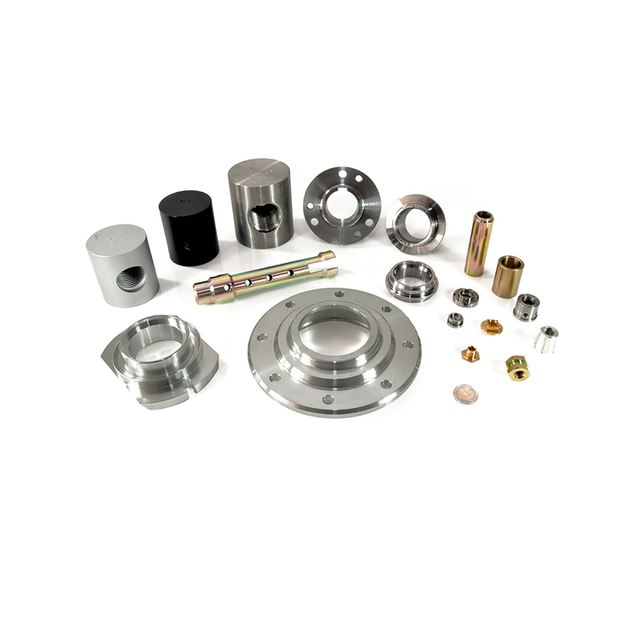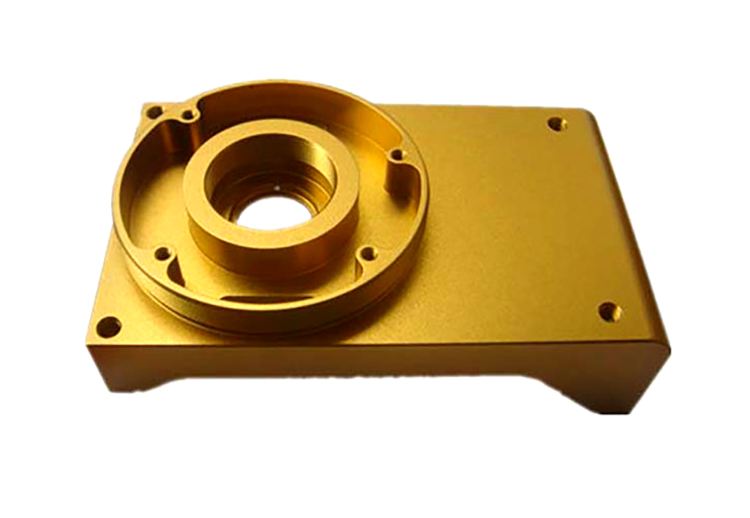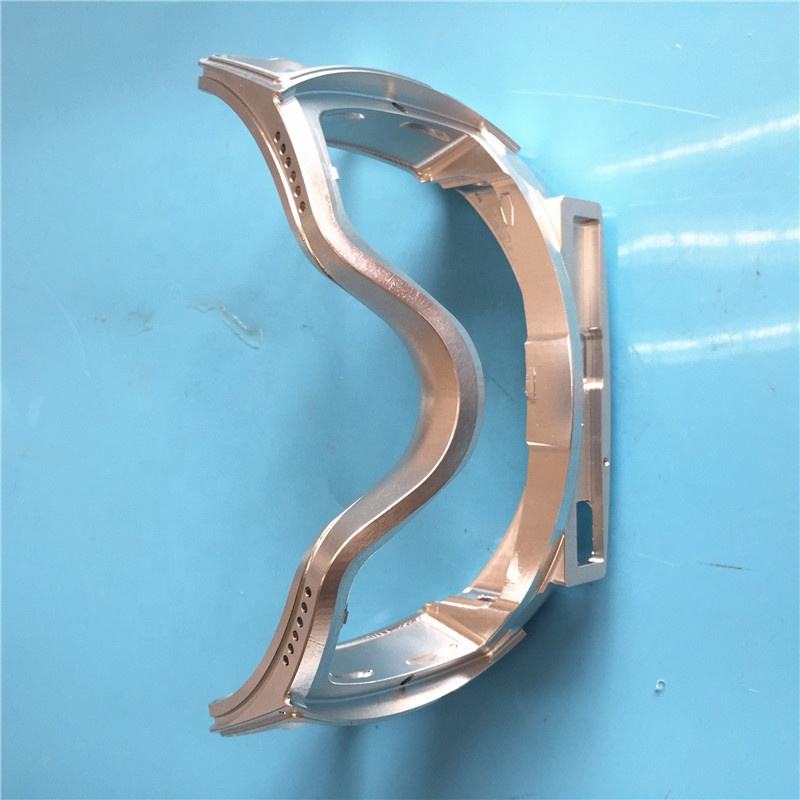
CNC milling and turning are widely used in the manufacturing of plastic components due to their precision, repeatability, and versatility. Different plastics, such as ABS, PC, ABS/PC, ACRYLIC (PMMA), POM (Delrin), PP (Polypropylene), PEEK, G10 (Garolite), and FR4 (Fiberglass Epoxy), exhibit unique machining behaviors, dimensional tolerances, surface finish capabilities, and thermal properties.
This article explores key considerations when machining these materials, including:
- Standard tolerances achievable in CNC milling and turning
- Surface finish options and influencing factors
- Warpage and deformation risks
- Working temperature ranges and thermal effects
1. Machining Tolerances for Common Plastics
Tolerances in CNC machining depend on material properties, tooling, and process stability. Below are typical tolerances for plastics:
| Material | Standard Tolerance (Milling) | Standard Tolerance (Turning) | High-Precision Tolerance |
|---|---|---|---|
| ABS | ±0.10 mm (±0.004″) | ±0.075 mm (±0.003″) | ±0.05 mm (±0.002″) |
| PC | ±0.075 mm (±0.003″) | ±0.05 mm (±0.002″) | ±0.025 mm (±0.001″) |
| ABS/PC | ±0.10 mm (±0.004″) | ±0.075 mm (±0.003″) | ±0.05 mm (±0.002″) |
| ACRYLIC (PMMA) | ±0.05 mm (±0.002″) | ±0.05 mm (±0.002″) | ±0.025 mm (±0.001″) |
| POM (Delrin) | ±0.05 mm (±0.002″) | ±0.025 mm (±0.001″) | ±0.01 mm (±0.0004″) |
| PP | ±0.15 mm (±0.006″) | ±0.10 mm (±0.004″) | ±0.05 mm (±0.002″) |
| PEEK | ±0.05 mm (±0.002″) | ±0.025 mm (±0.001″) | ±0.01 mm (±0.0004″) |
| G10/FR4 | ±0.10 mm (±0.004″) | ±0.075 mm (±0.003″) | ±0.05 mm (±0.002″) |
Factors Affecting Tolerances:
- Tool sharpness: Dull tools increase friction, leading to dimensional inaccuracies.
- Cutting speed & feed rate: Optimizing reduces heat buildup and material deformation.
- Coolant use: Prevents thermal expansion in heat-sensitive plastics (e.g., PEEK, PC).
- Fixturing: Proper clamping minimizes vibration and part movement.
2. Surface Finish Quality and Post-Processing Options
Different plastics yield varying surface finishes based on their hardness, brittleness, and thermal properties.
| Material | As-Machined Finish (Ra µm) | Best Post-Processing Methods |
|---|---|---|
| ABS | 1.6 – 3.2 µm | Sanding (320-600 grit), Painting, Vapor Polishing |
| PC | 0.8 – 1.6 µm | Polishing, Clear Coating, Flame Treatment |
| ABS/PC | 1.6 – 3.2 µm | Sanding, Painting, Texturing |
| ACRYLIC (PMMA) | 0.4 – 1.6 µm | Flame Polishing, Diamond Buffing |
| POM (Delrin) | 0.8 – 1.6 µm | Minimal post-processing needed (self-lubricating) |
| PP | 3.2 – 6.3 µm | Plasma Treatment (for painting), Texturing |
| PEEK | 0.8 – 1.6 µm | Laser Marking, Light Sanding |
| G10/FR4 | 3.2 – 6.3 µm | Edge Sealing, Sanding (fiber smoothing) |
Key Surface Finish Considerations:
- ACRYLIC & PC: Require careful polishing to maintain optical clarity.
- POM & PEEK: Naturally smooth but may need deburring.
- G10/FR4: Fiber reinforcement can cause rough edges; sealing is recommended.
3. Warpage and Deformation Risks
Plastics are prone to warping due to internal stresses, machining heat, and environmental factors.
| Material | Warpage Risk | Mitigation Strategies |
|---|---|---|
| ABS | Moderate | Stress-relief annealing before machining |
| PC | High | Low cutting speeds, coolant use |
| ABS/PC | Moderate | Balanced machining parameters |
| ACRYLIC (PMMA) | High (brittle) | Avoid excessive clamping force |
| POM (Delrin) | Low | Stable room temperature machining |
| PP | High (flexible) | Minimize tool pressure, support thin walls |
| PEEK | Low (stable) | High-speed machining with coolant |
| G10/FR4 | Low (rigid) | Avoid overheating (epoxy degradation) |
Preventing Warpage:
- Minimize heat buildup (use sharp tools, proper feeds/speeds).
- Stress-relief annealing (for ABS, PC, acrylic).
- Avoid excessive clamping force (prevents distortion).
4. Working Temperature Ranges and Thermal Effects
Each plastic has a specific thermal operating range, affecting machining and application performance.
| Material | Max Continuous Temp. | Machining Temp. Considerations |
|---|---|---|
| ABS | 85°C (185°F) | Avoid excessive heat (melting ~105°C) |
| PC | 135°C (275°F) | High heat resistance but stress-sensitive |
| ABS/PC | 110°C (230°F) | Balanced thermal stability |
| ACRYLIC (PMMA) | 80°C (176°F) | Low heat resistance; prone to cracking |
| POM (Delrin) | 90°C (194°F) | Low friction but softens at ~160°C |
| PP | 100°C (212°F) | Flexible but loses strength near melting point |
| PEEK | 250°C (482°F) | High-temp machining requires coolant |
| G10/FR4 | 130°C (266°F) | Fiberglass reinforcement improves stability |
Thermal Machining Tips:
- PEEK & PC: Require coolant to prevent softening.
- PP & ABS: Low melting points—use sharp tools to reduce friction.
- G10/FR4: Avoid excessive heat to prevent epoxy degradation.
Conclusion
CNC milling and turning of engineering plastics require careful consideration of tolerances, surface finishes, warpage risks, and thermal stability. Key takeaways:
- Tightest tolerances are achievable with POM, PEEK, and acrylic.
- Best surface finishes come from PC, acrylic, and PEEK.
- Highest warpage risks occur in PC, acrylic, and PP.
- PEEK and G10/FR4 are best for high-temperature applications.
By optimizing machining parameters, using proper tooling, and applying suitable post-processing, manufacturers can produce high-quality plastic components with minimal defects. Understanding these factors ensures efficient production and reliable performance in industries ranging from automotive to aerospace and medical devices.