By PuKong CNC Machining – Precision Manufacturing Experts in Shenzhen, China
1. Introduction to POM in CNC Machining
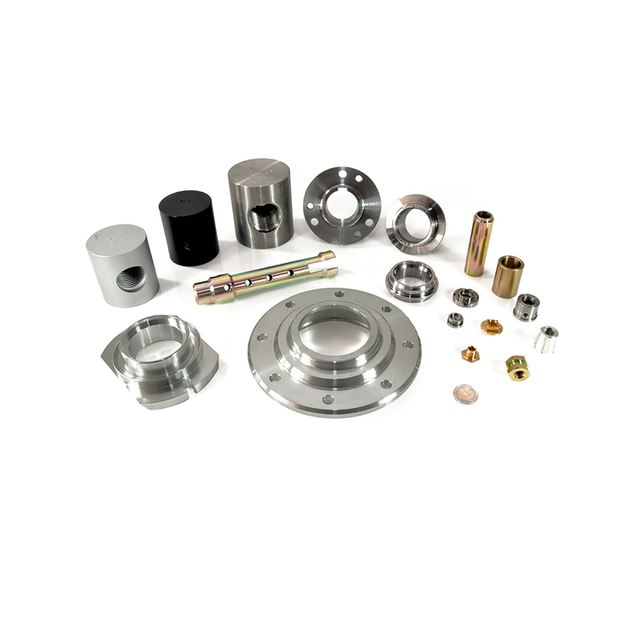
At PuKong CNC Machining, we specialize in manufacturing high-performance precision components from engineering thermoplastics, with Polyoxymethylene (POM), commonly known as Acetal or Delrin®, being one of our most requested materials.
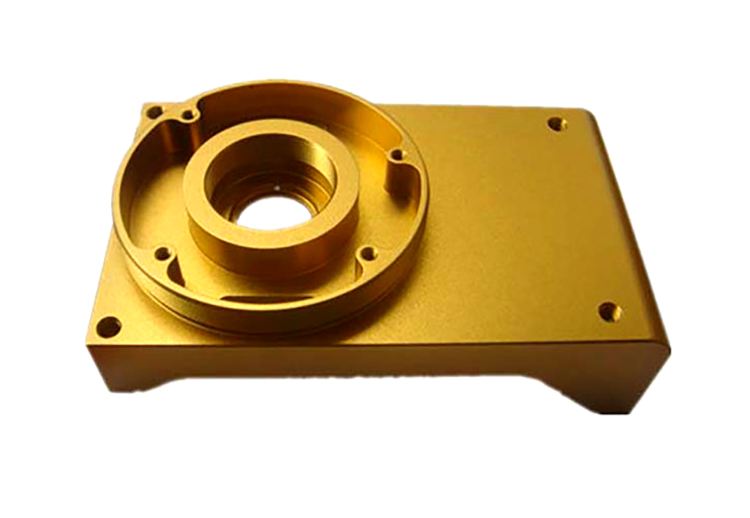
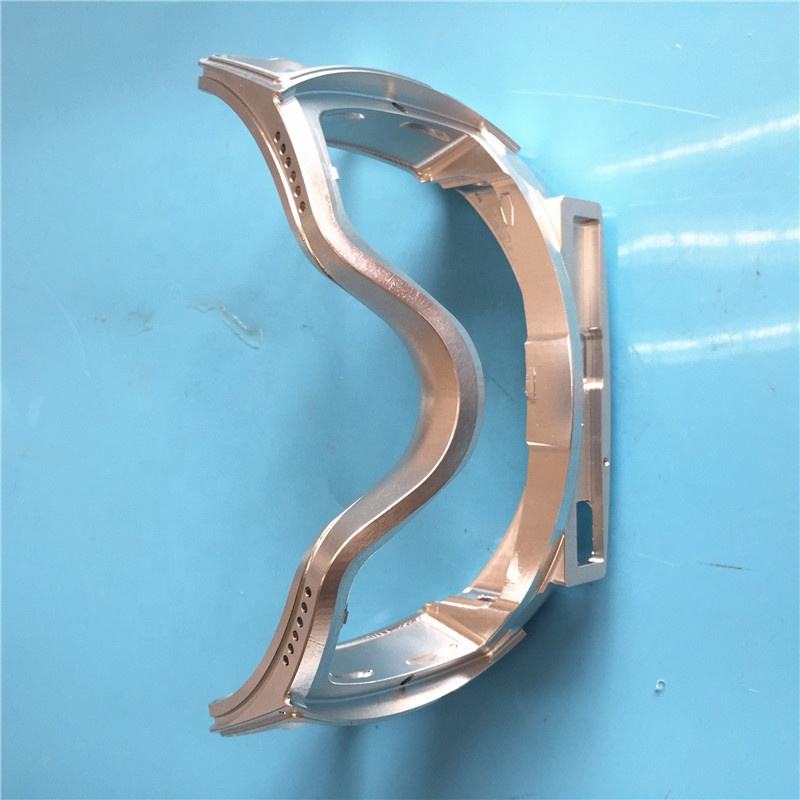
POM is an engineering-grade thermoplastic renowned for its high stiffness, low friction, excellent dimensional stability, and superior machinability. This makes it ideal for CNC-machined functional prototypes and end-use parts across automotive, medical, electronics, and industrial applications.
This technical guide covers:
✔ Key Applications & Industry-Specific Uses
✔ Material Properties (Mechanical, Thermal, Electrical, Chemical)
✔ Advantages & Limitations in CNC Machining
✔ Machining Tolerances & Surface Finishes
✔ Warping & Dimensional Stability Control
✔ Comparison with Alternative Plastics (Nylon, ABS, PEEK)
2. Applications of POM in CNC Machining
2.1 Industry-Specific Applications
POM is widely used in precision mechanical components where low friction, wear resistance, and dimensional accuracy are critical.
| Industry | Typical CNC-Machined POM Parts | Why POM? |
|---|---|---|
| Automotive | Gears, bushings, fuel system components, clips | Low friction, chemical resistance |
| Medical Devices | Surgical instrument handles, inhaler valves, connectors | FDA-compliant grades, sterilizable |
| Consumer Electronics | Sliding mechanisms, snap-fit enclosures, hinge parts | High stiffness, smooth surface finish |
| Industrial Machinery | Bearings, rollers, conveyor guides, gears | Wear resistance, self-lubricating |
| Aerospace | Low-friction mechanisms, insulators, fasteners | Lightweight, good fatigue resistance |
2.2 Ideal Use Environments
✅ Low-friction & wear applications (POM has a coefficient of friction of 0.1-0.3, similar to PTFE).
✅ Humid/wet conditions (POM absorbs <0.2% moisture, minimizing swelling).
✅ Chemical exposure (resistant to hydrocarbons, solvents, weak acids).
❌ High-temperature applications (softens above 90°C, not suitable for >100°C).
3. Material Properties of POM
3.1 Mechanical & Thermal Properties
| Property | POM (Homopolymer) | POM (Copolymer) | Comparison to Nylon (PA6) |
|---|---|---|---|
| Tensile Strength | 70 MPa | 60 MPa | Lower than Nylon (~80 MPa) |
| Flexural Modulus | 3.0 GPa | 2.6 GPa | Stiffer than Nylon (~2.1 GPa) |
| Impact Resistance (Notched Izod) | 80 J/m | 70 J/m | More brittle than Nylon |
| Coefficient of Friction (Dynamic) | 0.15-0.30 | 0.20-0.35 | Better than Nylon (0.3-0.5) |
| Max Continuous Service Temp. | 90°C | 85°C | Lower than Nylon (120°C) |
3.2 Electrical Properties
POM exhibits good insulating properties, making it suitable for low-voltage electrical applications.
| Property | POM Value | Implications for Electrical Use |
|---|---|---|
| Dielectric Strength | 20 kV/mm | Suitable for insulating components |
| Volume Resistivity | 10¹⁴ Ω·cm | Excellent for static-free applications |
| Dissipation Factor (1 MHz) | 0.005 | Low energy loss in AC circuits |
Electrical Applications:
✔ Insulating spacers
✔ Connector housings
✔ Low-frequency electronic enclosures
3.3 Chemical Resistance
POM resists:
✔ Fuels, oils, alcohols
✔ Weak acids & alkalis
❌ Strong acids (e.g., sulfuric acid) degrade POM.
4. Advantages & Disadvantages of POM in CNC Machining
4.1 Advantages ✅
✔ Excellent Machinability – Produces clean cuts with smooth finishes (Ra 1.6-3.2 µm achievable).
✔ Low Moisture Absorption (<0.2%) – Minimal post-machining dimensional changes.
✔ High Dimensional Stability – Maintains tight tolerances (±0.05 mm achievable).
✔ Self-Lubricating – Reduces wear in moving parts without external lubrication.
✔ Good Chemical Resistance – Withstands fuels, solvents, and weak acids.
4.2 Disadvantages ❌
❌ Poor Adhesion – Difficult to bond or paint without surface treatment.
❌ Notch Sensitivity – Prone to cracking under sharp stress concentrations.
❌ Limited High-Temp Resistance – Not suitable for >90°C environments.
❌ Warping Risk – Internal stresses can cause deformation if machined improperly.
5. CNC Machining Capabilities for POM
5.1 Standard & High-Precision Tolerances
| Feature | Standard Tolerance | High-Precision Tolerance |
|---|---|---|
| General Dimensions | ±0.10 mm | ±0.05 mm |
| Holes & Bushings | ±0.05 mm | ±0.02 mm (reaming required) |
| Flatness/Parallelism | 0.10 mm/100 mm | 0.05 mm/100 mm |
5.2 Maximum Part Dimensions
- CNC Milling: Up to 600 × 500 × 300 mm (depends on machine).
- CNC Turning: Max diameter Ø250 mm, length 500 mm.
5.3 Surface Finishing Options
| Finish Type | Surface Roughness (Ra) | Applications |
|---|---|---|
| As-Machined | 1.6 – 3.2 µm | Standard functional parts |
| Polished | 0.4 – 0.8 µm | Low-friction sliding components |
| Bead Blasted | 2.0 – 4.0 µm | Improved aesthetic appearance |
6. Warping & Dimensional Stability Control
6.1 Causes of Warping in POM
✔ High Crystallinity → Uneven cooling leads to internal stresses.
✔ Thermal Expansion (8-15 × 10⁻⁵/°C) → Heat buildup during machining can cause distortion.
6.2 Mitigation Strategies
- Stress-Relieving Annealing – Post-machining heat treatment (80-100°C for 1-2 hrs).
- Optimized Cutting Parameters – Low RPM, high feed rate to minimize heat.
- Proper Fixturing – Reduces vibration-induced stresses.
- Gradual Material Removal – Avoids excessive tool pressure.
7. POM vs. Alternative Engineering Plastics
| Material | POM | Nylon (PA6) | ABS | PEEK |
|---|---|---|---|---|
| Tensile Strength | 60-70 MPa | ~80 MPa | ~40 MPa | ~100 MPa |
| Max Temp. Resistance | 90°C | 120°C | 80°C | 250°C |
| Moisture Absorption | <0.2% | ~2.5% | ~1.0% | ~0.1% |
| Machinability | Excellent | Good | Good | Difficult |
| Cost | $$ | $ | $ | $$$$ |
Best Use Cases:
- POM: Precision gears, bushings, low-friction mechanisms.
- Nylon: Higher impact resistance needed.
- PEEK: Extreme temperature & chemical resistance.
8. Conclusion
POM is a top choice for CNC-machined precision parts requiring stiffness, low friction, and tight tolerances. While it has some limitations (warping, notch sensitivity), proper machining techniques can produce high-performance components for automotive, medical, and industrial applications.
Why Choose PuKong CNC Machining?
✔ High-precision CNC milling & turning (±0.05 mm achievable)services.
✔ Expertise in warping prevention & stress-relieving treatments.
✔ Fast lead times & competitive pricing.
Contact Us Today for Your CNC Machining POM Project!