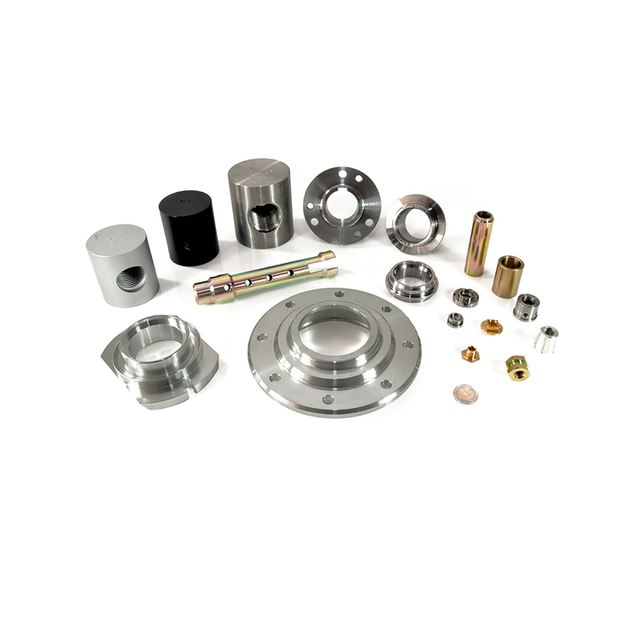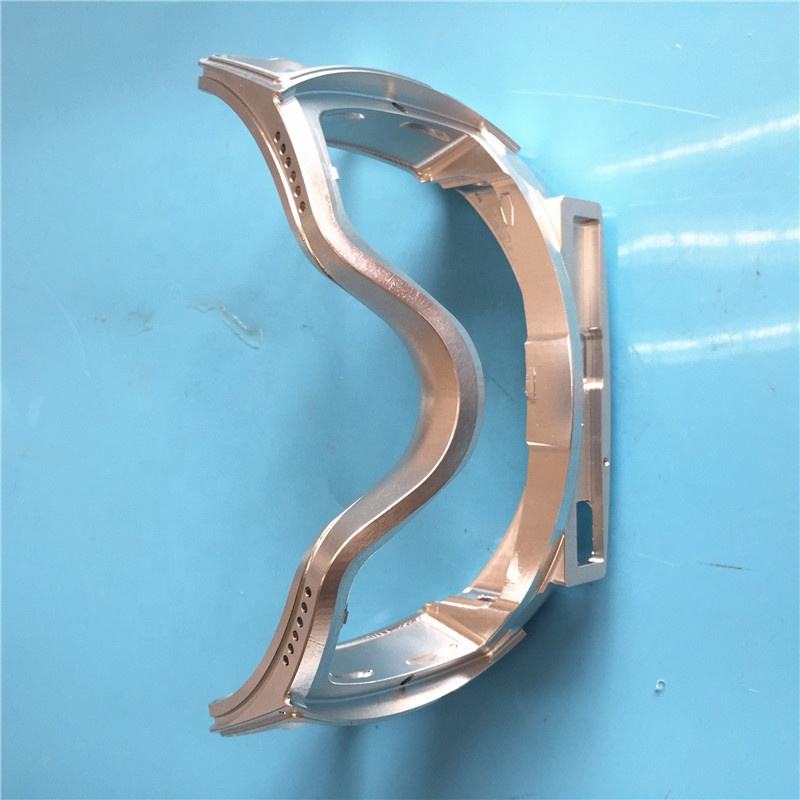
- Complex Customs Clearance:
Both U.S. and Chinese customs impose strict regulations on industrial goods, including CNC-machined parts. Incomplete or incorrect documentation (e.g., invoices, permits, or HS codes) can lead to inspections or holds. - Logistical Bottlenecks:
High shipping volumes, especially during peak seasons (e.g., holidays), often cause port congestion or air freight delays. Limited cargo space and carrier capacity exacerbate the issue. - Regulatory Compliance:
CNC parts may be subject to export controls (e.g., if they involve proprietary technology or materials). Unfamiliarity with trade policies (e.g., U.S. tariffs) can result in rejected shipments. - Weather and Unforeseen Events:
Natural disasters (e.g., typhoons in coastal China) or global incidents (e.g., pandemics) disrupt transport networks, causing unpredictable delays. - Packaging and Labeling Issues:
Improper packaging (e.g., insufficient protection for precision components) or non-compliant labeling (e.g., missing material descriptions) may trigger re-inspections or returns.
Solutions to Mitigate Delays
- Optimize Documentation:
- Use experienced freight forwarders familiar with CNC industry requirements.
- Ensure accurate HS codes, commercial invoices, and certificates of origin.
- Pre-submit documents to customs brokers for clearance checks.
- Diversify Shipping Strategies:
- Combine air freight (for urgency) and sea freight (for cost-effectiveness).
- Leverage multiple carriers (e.g., DHL, FedEx, UPS) and ports to avoid congestion.
- Enhance Compliance Protocols:
- Conduct pre-shipment audits to verify compliance with U.S. import regulations.
- Stay updated on tariff changes and export control lists (e.g., EAR, ITAR).
- Plan for Contingencies:
- Maintain buffer stock in the U.S. to cover potential delays.
- Monitor global events and adjust schedules proactively.
- Improve Packaging and Labeling:
- Use standardized, durable packaging with clear labels (e.g., material type, weight, handling instructions).
- Implement barcode/RFID tracking for real-time visibility.
By addressing these areas, CNC machining businesses can reduce transit uncertainties and maintain reliable supply chains.