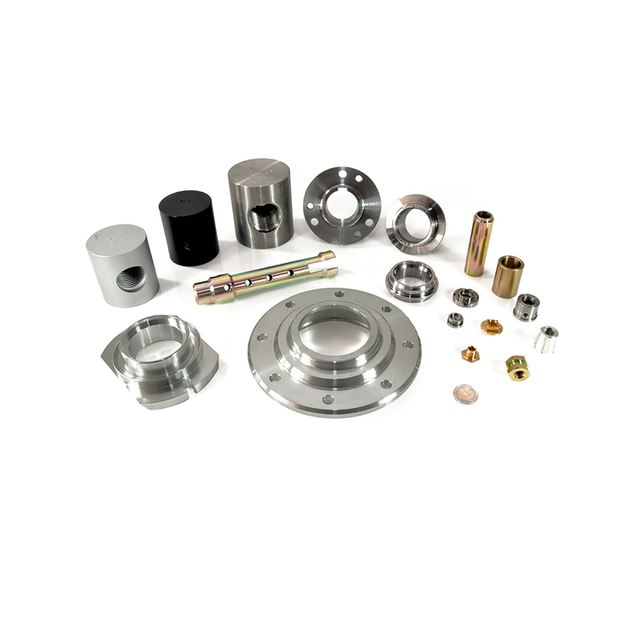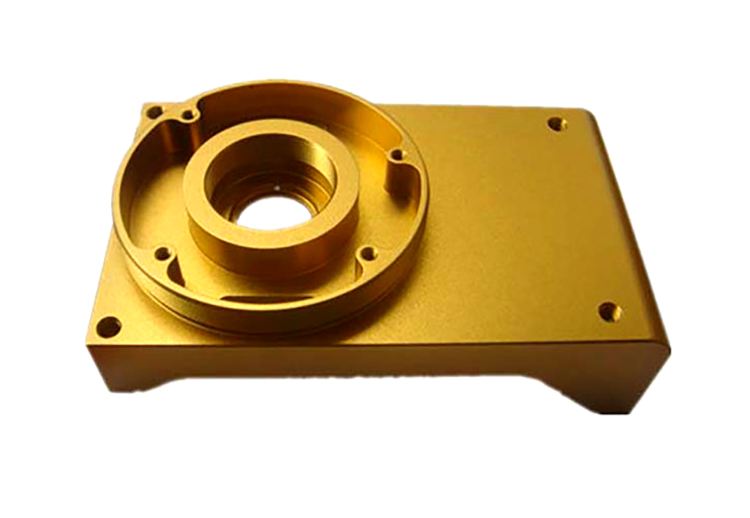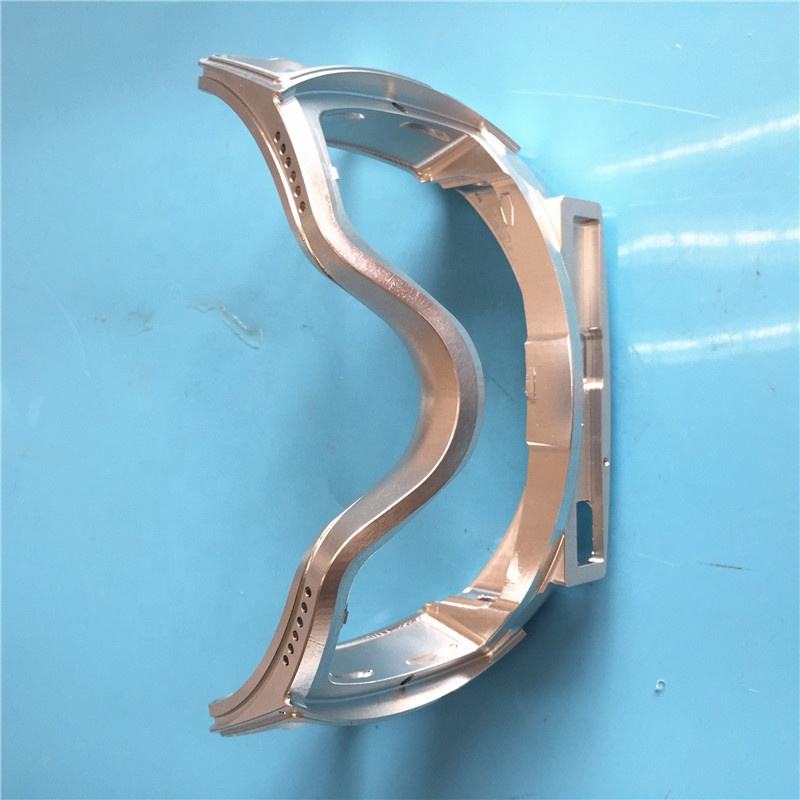
While 3D printing (additive manufacturing) excels at prototyping and complex, low-strength parts, CNC machining is the cornerstone of high-performance, functional, and premium custom parts in China’s car modification industry. As the market matures and enthusiasts demand higher quality and durability, CNC machining service has moved from a niche service to a critical manufacturing process.
I. Applications of CNC Machining in Car Modifications
CNC machining service is used for parts that require superior strength, dimensional accuracy, heat resistance, and a premium aesthetic finish. Its subtractive process (carving from a solid block of material) guarantees material integrity.
1. Engine and Performance Components:
- Custom Adapter Plates & Brackets: Machined from aluminum or steel, these are used to mount aftermarket turbochargers, throttle bodies, or intake manifolds onto engine blocks that were not designed for them. The precision ensures perfect alignment and prevents leaks.
- Pulleys and Lightweight Accessories: CNC-machined aluminum pulleys (for alternators, water pumps) reduce rotational mass, improving engine response.
- Billet Engine Components: For extreme performance builds, key components like fuel rail kits, valve covers, thermostat housings, and even entire intake manifolds are CNC-machined from billet aluminum. This offers immense strength and allows for custom internal geometries.
- Intercooler End Tanks: Custom end tanks are machined to fit specific core sizes and pipe configurations, optimizing charge-air cooling.
2. Drivetrain and Suspension:
- Suspension Components: High-stress parts like upper shock mounts, control arm brackets, and camber plates are often CNC-machined from steel or aluminum for superior strength and precise adjustability over cast OEM parts.
- Drivetrain Adapters: Creating adapters for engine or transmission swaps (e.g., mounting a Toyota engine to a BMW transmission) is a classic application, requiring absolute precision.
3. Interior and Cockpit:
- Premium Shift Knobs & Handbrake Handles: CNC-machined from solid aluminum, brass, or stainless steel, then anodized or polished, these parts offer a significant weighty, tactile feel and a custom look.
- Custom Pedals & Dead Pedals: Machined aluminum pedals with anti-slip patterns provide better grip and a race-inspired aesthetic.
- Gauge Pods and Mounts: For mounting aftermarket boost, oil pressure, or wideband AFR gauges seamlessly into dashes or A-pillars.
4. Exterior and Styling (Premium Segment):
- Billet Badges and Emblems: Machined and anodized or painted custom logos for a high-end, personalized touch.
- Specialized Brackets: For mounting aggressive wings, splitters, or canards where failure is not an option. These are often machined from aerospace-grade aluminum for the best strength-to-weight ratio.
- Wheel Spacers and Lug Nuts: While many are cast, high-quality, hub-centric wheel spacers and lightweight lug nuts are precision CNC-machined to ensure perfect balance and safety.
II. Installation and Usage Workflow
The process for CNC-machined parts is more involved and costly than for 3D-printed prototypes, reflecting their role as final, functional components.
1. Design and Engineering:
- The process starts with precise CAD (Computer-Aided Design) modeling. The model must account for material properties, stress points, and machining constraints.
- CAM (Computer-Aided Manufacturing) software is then used to generate the toolpaths—the instructions that tell the CNC machine how to cut the material. This step is critical for optimizing cutting time, tool life, and surface finish.
2. Material Selection:
The choice of material is fundamental to the part’s function:
- 6061 & 7075 Aluminum: The most common choices. 6061 offers a great balance of strength, machinability, and cost. 7075 is significantly stronger (similar to steel) and used for highly stressed components.
- Stainless Steel: Used for parts requiring extreme strength and corrosion resistance, such as certain drivetrain components or exhaust hardware.
- Brass/Bronze: Occasionally used for bushings or decorative interior elements for its aesthetic appeal.
3. Sourcing and Manufacturing:
- Modification shops and tuner brands source CNC services from specialized machine shops found on industrial platforms like linkedin or through established relationships in manufacturing hubs like Dongguan and Shenzhen.
- The lead time is longer than for 3D printing. A complex part can take days to machine, plus time for post-processing.
- Economics: For one-off custom parts, CNC machining is expensive. However, for small-batch production (e.g., 10-50 units of a popular adapter plate), the per-part cost becomes viable, allowing Chinese brands to offer high-quality, bespoke components to the market.
4. Post-Processing and Finishing:
This is where CNC parts achieve their signature look and durability.
- Deburring: Sharp edges are manually removed.
- Machining: The parts are often tumbled or sandblasted to achieve a uniform matte finish.
- Anodizing (for Aluminum): This electrochemical process is the standard for finishing. It adds a hard, durable, and corrosion-resistant surface and allows for a vast range of colors (e.g., black, red, blue, gold). Hardcoat anodizing is used for parts subject to wear.
- Polishing: Parts can be polished to a mirror-like “billet” finish.
- Painting or Powder Coating: Used for specific color matches or added protection.
5. Installation:
- Precision Fitment: The primary advantage of CNC parts is their exceptional dimensional accuracy. They are designed to be a direct “bolt-on” or replacement for OEM components, requiring minimal modification.
- Use of High-Grade Fasteners: Installation typically involves using new, high-tensile strength bolts, loctite, and proper torque specifications, as these parts are often critical for vehicle safety and performance.
- Professional Verification: For engine and suspension components, installation is often followed by professional alignment, tuning, or calibration to ensure everything functions as intended.
Conclusion: The Mark of Quality
In China’s modification market, CNC machining service represents the high-end segment of customization. It is the go-to solution when a part must be strong, precise, durable, and aesthetically superior. While 3D printing has revolutionized prototyping and design iteration, CNC machining service is the technology that turns those proven designs into reliable, high-performance reality. Its growing application signifies the maturation of China’s car culture, where enthusiasts are no longer satisfied with cosmetic changes alone but are increasingly investing in serious engineering and quality manufacturing to enhance both the performance and perceived value of their vehicles.