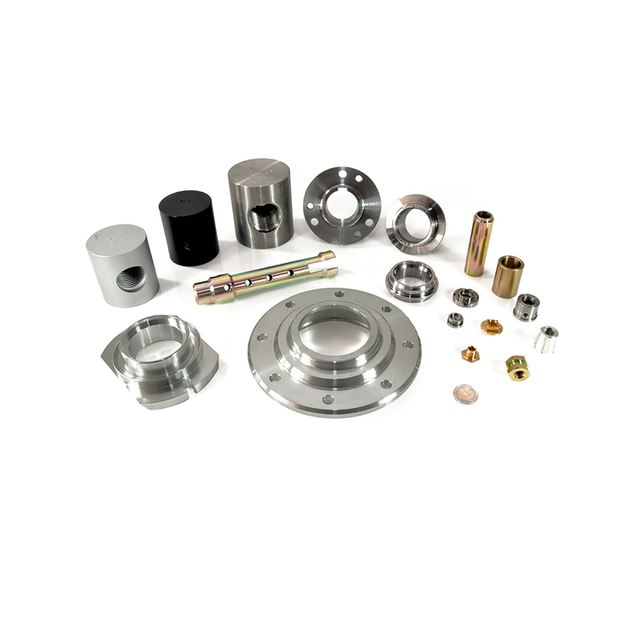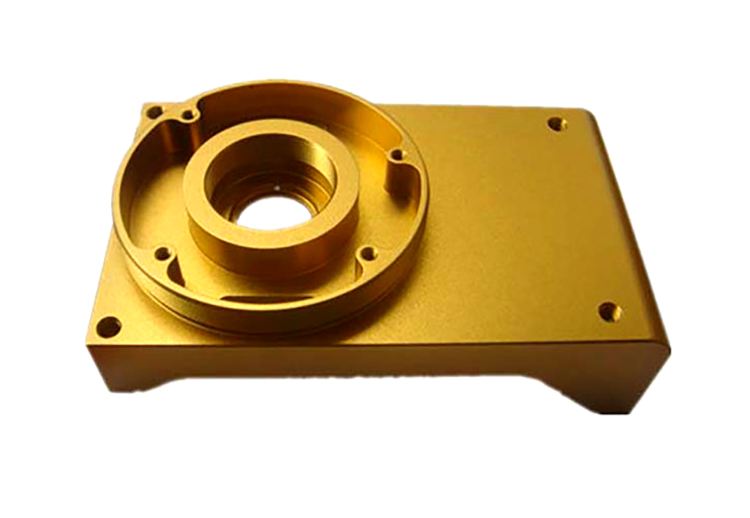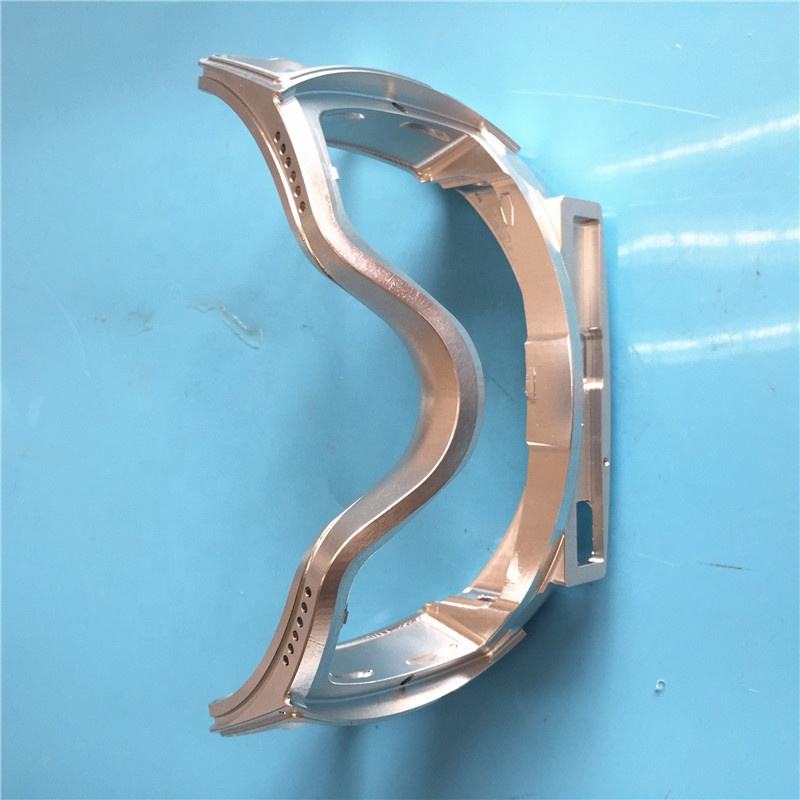
At Pu Kong, the transition from a single prototype to full-scale mass production is a carefully orchestrated process that balances speed, precision, and repeatability. When manufacturing parts from Q345B—a high-strength low-alloy steel widely used for its excellent mechanical properties and weldability —the workflow is particularly demanding. This article outlines the comprehensive, step-by-step journey of a Q345B prototype component as it moves through Pu Kong‘s production line, from a solid block of raw material to a finished, surface-treated part ready for delivery.
1. Raw Material Procurement
The journey begins with sourcing high-quality Q345B raw materials. Reputable suppliers provide steel in standard forms such as bars, plates, or blocks, complete with mill certifications to verify the material’s chemical composition and mechanical properties. This ensures the final product meets the required strength and durability standards . Upon arrival, the material is inspected for surface defects and dimensions before being released to the workshop floor.
2. CAD/CAM Programming & Process Engineering
Before any cutting begins, Pu Kong‘s engineering team analyzes the customer‘s 3D CAD model. Using advanced CAM software like Mastercam or Fusion 360, they develop a comprehensive manufacturing strategy . This involves generating the optimal G-code toolpaths, selecting the appropriate cutting tools, and determining the feeds and speeds for every operation. For a complex part, this stage also includes planning the sequence of all subsequent steps—machining, EDM, and surface finishing—to ensure a logical and efficient workflow .
3. CNC Machining (Milling & Turning)
With the program ready, the Q345B raw material is fixtured onto a CNC machine. Depending on the part’s geometry, this could involve:
- CNC Turning: For cylindrical features, the workpiece rotates while a stationary cutting tool shapes it .
- CNC Milling: For prismatic shapes, complex contours, flats, and slots, the part is secured on the bed while rotating cutting tools remove material. Pu Kong utilizes 3-axis, 4-axis, and 5-axis machining centers to produce intricate geometries in a single setup, achieving tolerances as tight as ±0.01mm . The high-speed machining process efficiently cuts the Q345B steel, which is known for its strength but requires rigid setups and proper tooling.
4. Wire EDM (Electrical Discharge Machining)
For features that are difficult or impossible to produce with a conventional cutting tool—such as internal splines, keyways, or parts requiring extreme precision in hard materials—Wire EDM is employed . This process uses a thin, electrically charged brass wire to erode the material, creating precise contours with burr-free edges and exceptional perpendicularity. Since Q345B is conductive, it is an ideal candidate for this process .
5. Sinker EDM (Ram EDM / Spark Erosion)
If the part requires blind cavities, square holes, or intricate shapes with sharp internal corners, Sinker EDM is the solution. A custom-shaped graphite electrode, which is the inverse of the desired feature, is slowly fed (“sunk”) into the workpiece immersed in dielectric oil. Electrical sparks erode the Q345B steel, accurately forming the complex cavity .
6. Drilling & Tapping
While some drilling may be done on the CNC mill, secondary drilling and tapping operations are often performed to add threaded holes, through-holes, or counterbores. This can be done on dedicated machines or machining centers to ensure precise thread pitch and hole placement.
7. Deburring
Every machining and drilling operation can leave sharp edges or burrs. Skilled technicians meticulously deburr the part, both manually and with specialized tools. This step is critical for both safety and to ensure the part meets specifications, as sharp edges can interfere with assembly or cause injury . It also prepares the part for subsequent coating processes, ensuring the finish adheres properly.
8. Quality Control – CMM Inspection
The machined part undergoes rigorous inspection in a controlled environment. A Coordinate Measuring Machine (CMM) uses a precision probe to touch hundreds of points on the part, comparing the measurements against the original CAD model . This verifies that all critical dimensions, hole locations, and geometric tolerances are within specification. A First-Article Inspection (FAI) report is often generated at this stage . The surface finish and overall appearance are also visually inspected.
9. Surface Finishing: Preparation & Coatings
The part is now ready for its final surface treatment, chosen to enhance corrosion resistance, wear properties, or aesthetics. Pu Kong offers a range of options for steel parts:
- Blackening (Black Oxide): This chemical process converts the surface of the Q345B steel into a black iron oxide. It provides a mild corrosion resistance and a sleek, dark appearance, often used for tooling and automotive parts.
- Zinc Plating (Galvanizing): For superior corrosion protection, the parts are electroplated with a layer of zinc. However, hot-dip galvanizing of Q345B requires careful process control—specifically regarding temperature and bath chemistry—to prevent the coating from becoming dark, dull, or too thick due to the steel’s silicon content .
- Painting (Spray Painting): Liquid paint can be applied by spray gun for a smooth, colored finish, from matte to high-gloss .
- Powder Coating: For a durable, uniform, and environmentally friendly finish, electrostatically charged powder is sprayed onto the part and then cured in an oven, where it melts to form a tough, protective layer .
10. Final Inspection & Packaging
After all surface treatments are complete, the parts undergo one final quality check to ensure the coating is flawless and no damage occurred during handling. Approved parts are then carefully packaged to prevent damage during transit. This often involves wrapping in paper, cushioning with foam or bubble wrap, and securing them in sturdy cardboard boxes or custom crates . Finally, the order is documented and shipped to the customer via a reliable logistics partner .
By meticulously managing each of these steps—from the initial stock of Q345B to the final packaged product—Pu Kong ensures that every batch of prototype parts meets the highest standards of quality and precision required for mass production.