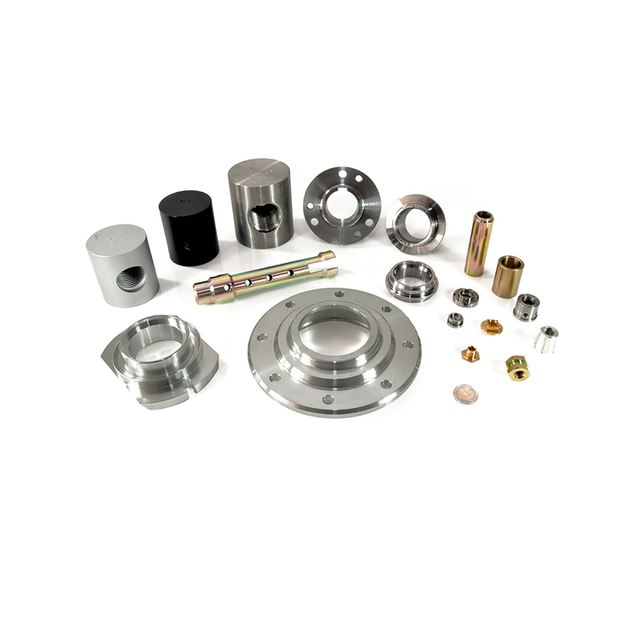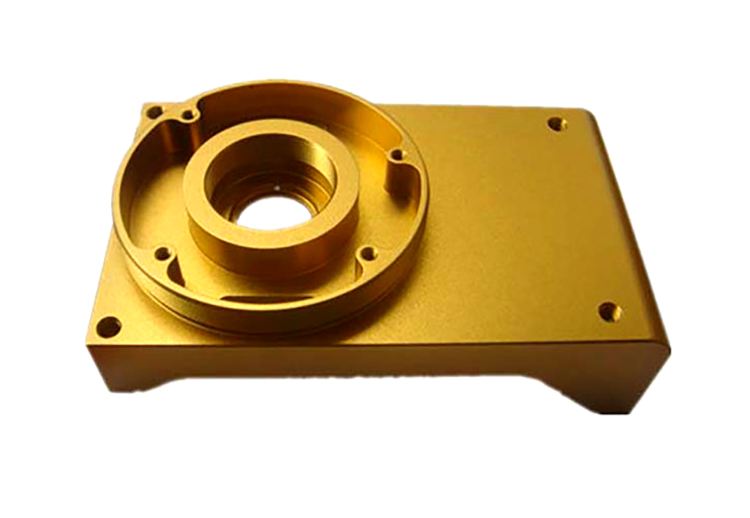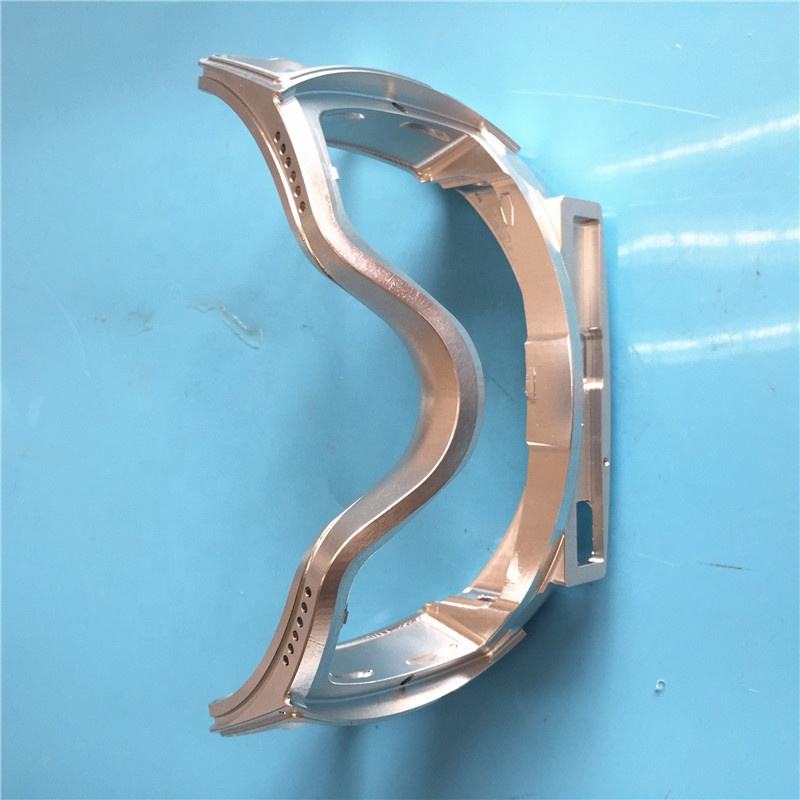
Aluminum is one of the most widely used metals in CNC (Computer Numerical Control) machining due to its excellent strength-to-weight ratio, machinability, and corrosion resistance. It is a preferred choice for industries ranging from aerospace to consumer electronics. This article explores the advantages and disadvantages of aluminum in CNC machining services, its application scope, operating temperature range, surface finishing options, and weather resistance.
Advantages of Aluminum in CNC Machining
1. Lightweight Yet Strong
- Aluminum has a low density (2.7 g/cm³), making it significantly lighter than steel while still providing good strength.
- Its high strength-to-weight ratio makes it ideal for aerospace, automotive, and robotics applications where weight reduction is critical.
2. Excellent Machinability
- Aluminum is soft and easy to machine, allowing for high-speed CNC operations with minimal tool wear.
- It produces clean cuts with smooth finishes, reducing the need for extensive post-processing.
3. Good Thermal & Electrical Conductivity
- Aluminum efficiently dissipates heat, making it suitable for heat sinks, electronic enclosures, and LED housings.
- It also has high electrical conductivity, useful for electrical components and shielding.
4. Corrosion Resistance
- Aluminum naturally forms a protective oxide layer, preventing rust in most environments.
- Anodizing further enhances corrosion resistance, making it ideal for marine and outdoor applications.
5. Cost-Effective & Recyclable
- Compared to titanium or stainless steel, aluminum is more affordable while maintaining performance.
- It is 100% recyclable, supporting sustainable manufacturing practices.
Disadvantages of Aluminum in CNC Machining
1. Lower Hardness Than Steel
- Aluminum is softer than steel, making it less suitable for high-wear applications (e.g., gears, cutting tools).
- It can deform under heavy loads, requiring thicker designs for structural parts.
2. Lower Melting Point
- Aluminum melts at ~660°C (1220°F), limiting its use in high-temperature applications (e.g., engine components).
- For extreme heat resistance, aluminum alloys (e.g., 7075, 2024) or alternative metals (titanium, Inconel) are preferred.
3. Potential for Galling & Built-Up Edge
- Due to its softness, aluminum can stick to cutting tools, causing built-up edge (BUE) and poor surface finishes.
- Proper coolant and tool coatings (e.g., diamond-like carbon, DLC) help mitigate this issue.
4. Limited Fatigue Resistance in Some Alloys
- Certain aluminum alloys (e.g., 6061) have lower fatigue strength compared to steel, making them less ideal for cyclic loading applications.
Application Scope of Aluminum in CNC Machining
Aluminum is used across multiple industries due to its versatility:
1. Aerospace & Aviation
- Aircraft frames, wing components, and drone parts (e.g., Al 7075, Al 2024).
2. Automotive
- Engine blocks, wheels, transmission housings, and EV battery enclosures (e.g., Al 6061, Al 5052).
3. Electronics & Consumer Goods
- Heat sinks, smartphone cases, laptop chassis, and LED fixtures.
4. Medical & Robotics
- Surgical instruments, robotic arms, and prosthetics (due to biocompatibility in anodized form).
5. Industrial & Marine Applications
- Piping, marine hardware, and machinery components (often anodized or powder-coated for extra protection).
Operating Temperature & Environmental Limits
- Melting Point: ~660°C (1220°F) for pure aluminum.
- Maximum Service Temperature:
- Pure Aluminum: Up to 200°C (392°F) before significant softening.
- Aluminum Alloys (e.g., 7075, 6061): Up to 300°C (572°F) with reduced strength.
- Low-Temperature Performance: Maintains ductility even at cryogenic temperatures, making it useful in aerospace and scientific instruments.
Surface Finishing Options for Aluminum CNC Parts
1. Anodizing (Type II & Type III Hardcoat)
- Enhances corrosion resistance, hardness, and aesthetics.
- Available in multiple colors (black, gold, blue, etc.).
2. Powder Coating
- Provides a durable, wear-resistant layer in various colors and textures.
3. Polishing & Brushing
- Creates a mirror-like or satin finish for decorative parts.
4. Chemical Conversion Coating (Alodine, Chromate)
- Improves paint adhesion and corrosion resistance for aerospace and military applications.
5. Electroplating (Nickel, Chrome, or Gold Plating)
- Used for conductive, decorative, or wear-resistant surfaces.
Weather Resistance & Longevity
- Natural Corrosion Resistance: Aluminum forms a self-protective oxide layer, making it suitable for outdoor use.
- Anodized Aluminum: Offers superior UV and saltwater resistance, ideal for marine and architectural applications.
- Limitations:
- Galvanic Corrosion: When in contact with dissimilar metals (e.g., steel, copper) in humid environments.
- Pitting Corrosion: Can occur in chloride-rich environments (e.g., coastal areas) without proper coatings.
Conclusion
Aluminum is a highly versatile material in CNC machining services, offering an optimal balance of lightweight strength, machinability, and corrosion resistance. While it has limitations in high-temperature and high-wear applications, its cost-effectiveness, recyclability, and adaptability to various surface finishes make it a top choice for industries like aerospace, automotive, and electronics.
For applications requiring higher strength or temperature resistance, aluminum alloys (e.g., 6061,6063,7075, 2017,2024) or alternative metals (titanium, stainless steel) may be considered. By selecting the right alloy and surface treatment,we PuKongese can maximize aluminum’s benefits in CNC machining serives.