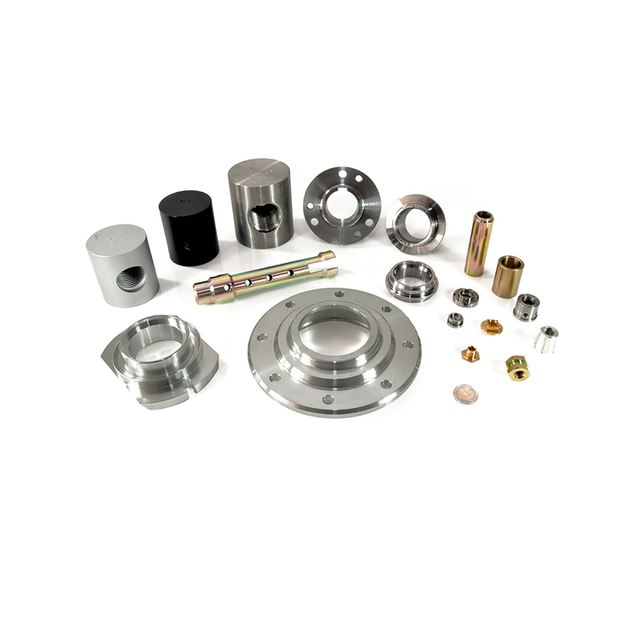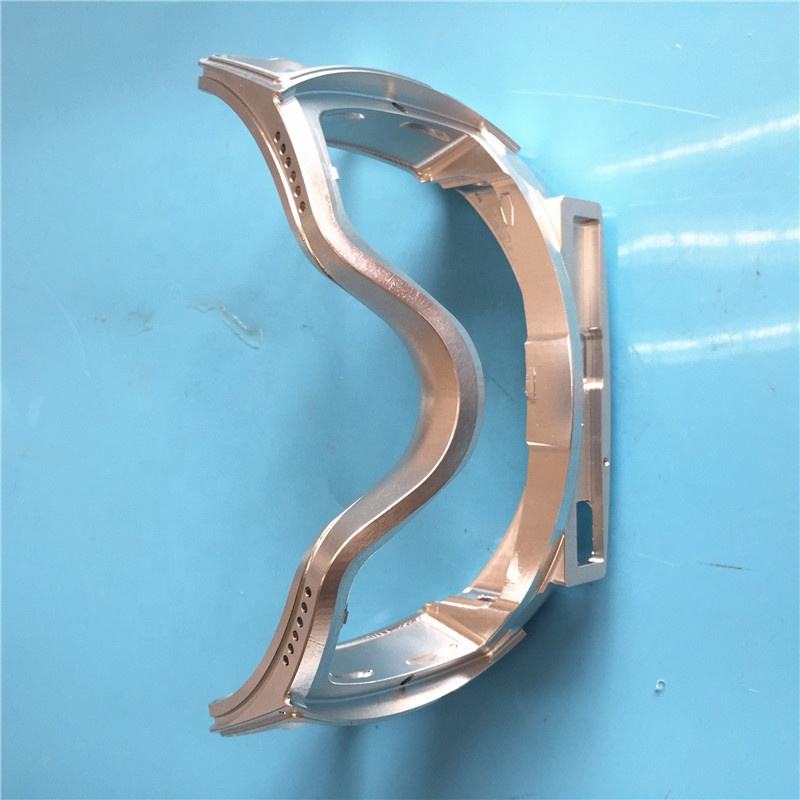
CNC (Computer Numerical Control) machining is crucial in the oil and gas sector due to its ability to produce high-precision, durable, and complex parts that can withstand extreme pressures, corrosive environments, and high temperatures. Here are some key components:
- Valve Bodies and Components: Complex valves (such as ball valves, gate valves, and choke valves) require precise internal channels and sealing surfaces that only CNC machining can consistently achieve.
- Drilling Tool Components: This includes parts for downhole drilling tools like drill bits, stabilizers, mud motor parts, and measurement-while-drilling (MWD) tool housings. These parts are subject to immense wear and tear.
- Pump Components: Critical parts for high-pressure pumps, including impellers, pistons, cylinder liners, and suction manifolds. Precision is key to maintaining pressure and flow efficiency.
- Wellhead and Christmas Tree Components: Flanges, hubs, and connectors used in wellhead assemblies. These are safety-critical parts where failure is not an option.
- Shafts and Rotors: Precision-machined shafts for turbines, compressors, and other rotating equipment used in extraction and refining processes.
- Manifold Blocks: These are solid blocks of metal machined with complex networks of internal passages to direct the flow of oil, gas, or hydraulic fluid, replacing the need for many welded pipes and fittings.
Cost and Quality Comparison: China vs. USA
When sourcing CNC machined parts for the oil and gas industry, the choice between China and the USA involves a classic trade-off between cost and a broader set of factors including risk, lead time, and intellectual property.
Cost Comparison
| Factor | USA | China |
|---|---|---|
| Labor Costs | High. Skilled CNC programmers and machinists command high salaries and benefits. | Significantly lower. Despite rising wages, labor costs remain a fraction of those in the US. |
| Material Costs | Comparable for raw materials like stainless steel, Inconel, Duplex Steel. However, sourcing can be faster domestically. | Can be lower, but quality of raw materials can be inconsistent. Importing certified materials can negate some cost savings. |
| Overhead | High. Includes facility costs, regulatory compliance, insurance, and energy. | Generally lower, though costs are rising in major industrial zones. |
| Tooling & Setup | Costs are similar for a given project, but US shops may charge more for engineering support. | Lower initial setup costs can be attractive for high-volume production runs. |
| Hidden Costs | Lower. Clear pricing, minimal shipping/import delays, easier communication. | Higher. Includes import tariffs, shipping fees, quality control inspections, potential rework, and intellectual property risks. |
Conclusion on Cost: China typically offers a lower upfront piece-part price, often 30% to 50% less than the US for the same part. However, the Total Landed Cost (including tariffs, shipping, and QC) narrows this gap. For low-volume, high-complexity, or prototype parts, the US cost premium can be justified by speed and reduced administrative burden.
Quality Comparison
| Factor | USA | China |
|---|---|---|
| Consistency & Standards | Very high. Adherence to strict standards like ASME, API, ISO 9001 and NADCAP (for aerospace, which often overlaps with oil & gas demands) is common. | Variable. Top-tier Chinese factories can achieve and certify to the same quality levels (API, ISO). The challenge is vetting suppliers to avoid lower-tier shops with inconsistent quality. |
| Material Certification | Rigorous and verifiable. Traceability of raw materials is standard practice for critical components. | Must be explicitly specified and verified. Risk of material substitution or fraudulent certificates without proper oversight. |
| Technical Expertise | High level of engineering support and collaboration. Deep understanding of the oil & gas industry’s stringent requirements. | Strong technical capability exists, but language barriers and time zones can hinder complex technical collaboration and problem-solving. |
| Quality Control & Inspection | Integrated into the production process. Advanced CMM and metrology equipment is standard. On-site client inspection is easy to arrange. | Requires diligent third-party inspection (e.g., SGS, Bureau Veritas) to ensure standards are met before shipment. This adds cost and time. |
| Lead Time & Responsiveness | Shorter shipping times (days). Highly responsive to design changes, rush orders, and small-batch production. Excellent for prototyping and urgent repairs. | Longer shipping times (weeks). Responsiveness is slower due to time zones and communication barriers. Better suited for stable, high-volume orders. |
Conclusion on Quality: The United States generally offers more predictable, high-quality outcomes with less oversight required from the buyer. China has the capability to produce machined high-quality parts, but achieving this requires significant investment in supplier vetting and ongoing quality control, which introduces risk and management overhead.
Summary Table
| Aspect | USA | China |
|---|---|---|
| Primary Advantage | Quality, Reliability, Speed, IP Protection | Lower Initial Cost |
| Best For | Prototypes, R&D, low-to-medium volume, safety-critical parts, urgent repairs. | High-volume, non-proprietary, cost-sensitive components where supply chain risk is managed. |
| Risk Level | Lower | Higher (Quality inconsistency, IP risk, supply chain disruption) |
| Supply Chain Agility | High (Quick turns, easy communication) | Low (Long lead times, communication barriers) |
Final Recommendation
The choice depends heavily on the specific part and project requirements:
- Choose the USA for: Critical safety components, prototypes, complex one-off parts, and situations where time-to-market or engineering collaboration is crucial. The higher cost buys peace of mind, agility, and reduced risk.
- Choose China for: Standardized, machined high-volume components where cost is the primary driver, and your company has the resources and expertise to manage a robust quality assurance and supply chain process overseas.