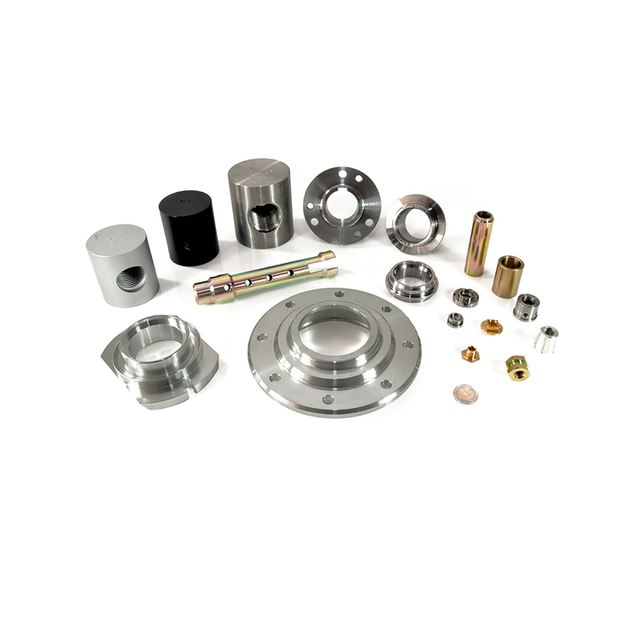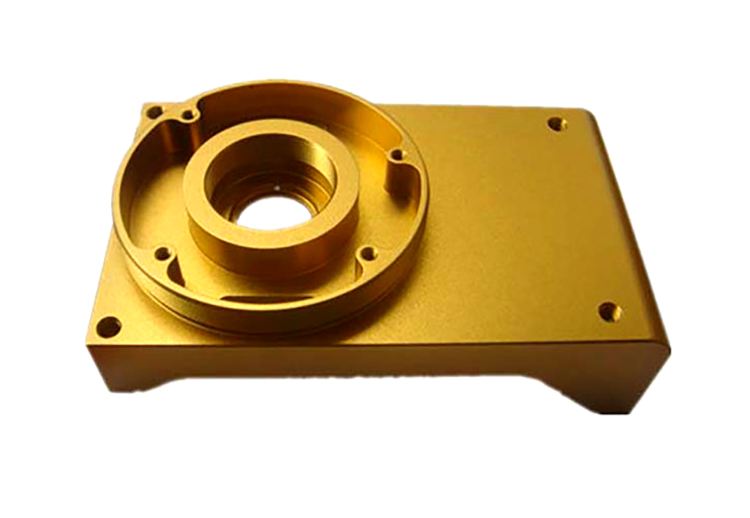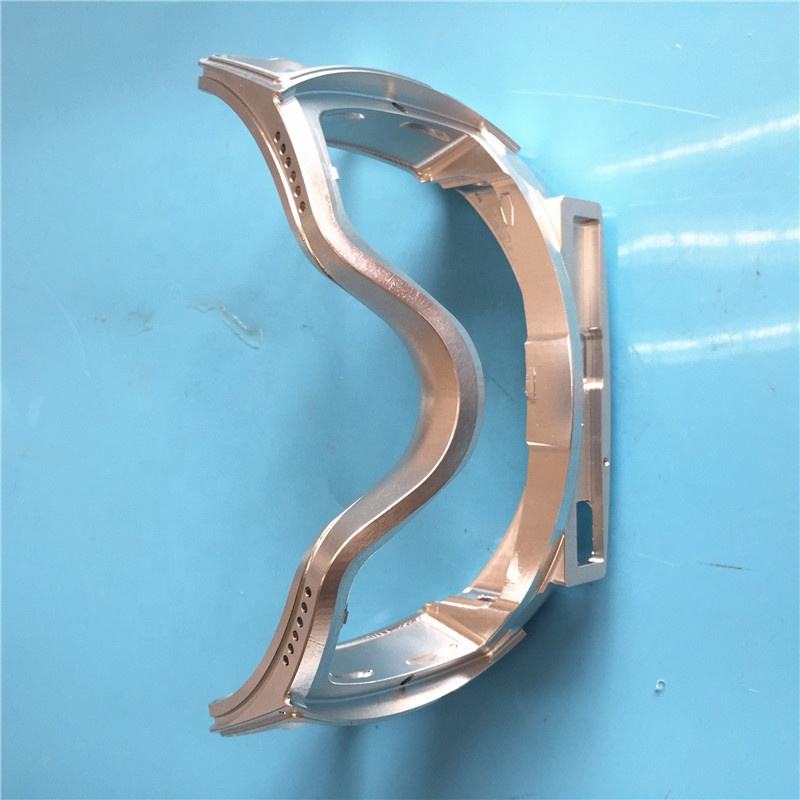
As a mechanical engineer, he understand the critical role precision metal components play in mechanical systems. CNC machining has become the gold standard for producing high-tolerance, functional metal parts across industries. This technical guide provides an in-depth examination of CNC machined metal components, covering material selection, design considerations, machining processes, and industry-specific applications. We’ll focus on the engineering aspects that matter most in your work – dimensional accuracy, material properties, and functional performance.
Engineering-Grade Metals for CNC Machining
1. Aluminum Alloys
Primary Alloys: Al6061-T6,Al6061-T4, Al6061-T5,Al6063-T6,Al7075-T6, Al2024-T3,ADC12
Key Properties:
- Excellent strength-to-weight ratio (7075: σₜ = 572 MPa)
- Good machinability (chip formation characteristics)
- Natural corrosion resistance (Al₂O₃ passivation layer)
Engineering Applications:
- Aerospace structural components (ribs, brackets)
- High-performance automotive parts (suspension components)
- Heat sinks and thermal management systems
Machining Considerations:
- Use sharp carbide tools to prevent material galling
- Recommended speeds: 500-4000 SFM depending on operation
- Chip evacuation critical for surface finish
2. Stainless Steels
Primary Grades: SUS301,SUS303,SUS304, SUS316,SUS440, 17-4PH
Key Properties:
- Corrosion resistance (Cr content >10.5%)
- 17-4PH: Precipitation hardenable (H900 condition: HRC 40-45)
- Work hardening tendency during machining
Engineering Applications:
- Food processing equipment
- Marine hardware
- Medical implants and instruments
Machining Considerations:
- Use rigid setups to combat work hardening
- Positive rake angle tools recommended
- Coolant essential for heat management
3. Titanium Alloys
Primary Grades: Grade 2, Grade 5 (Ti-6Al-4V)
Key Properties:
- High strength-to-weight ratio (Ti-6Al-4V: σₜ = 900 MPa)
- Low thermal conductivity (7.2 W/m·K)
- Poor chip formation characteristics
Engineering Applications:
- Aerospace fasteners and engine components
- Biomedical implants
- High-performance racing components
Machining Considerations:
- Low cutting speeds (30-70 m/min)
- High pressure coolant delivery required
- Tool wear monitoring critical
4. Carbon Steels
Common Grades: AISI1018, AISI1045, AISI1144,AISI1060,AISI1095,AISI1010, AISI1020, AISI1215,AISI12L14,A3,Q235, 20#,30#,45#, S15C,S45C,S50C,SK85,SK95,S20C, SUM22,SUM24L,C15, C22, C45, C50,C60,C80,9SMn28,9SMnPb28,T8,T10, Armco Pure Iron, DT4C..etc.
Key Properties:
- AISI1018: Low carbon (0.18% C), good weldability, σ_y = 370 MPa
- AISI1045: Medium carbon (0.45% C), heat treatable, σ_y = 450 MPa
- AISI1144: Resulfurized, excellent machinability, σ_y = 540 MPa
Machining Characteristics:
- Chip formation: Continuous chips in low-carbon, discontinuous in resulfurized
- Cutting speeds: 100-300 SFM for turning operations
- Tool wear: Abrasive wear dominant mechanism
Engineering Applications:
- Shafts and axles (1045, heat treated)
- Structural brackets (1018)
- Lead screws and precision components (1144)
5. Alloy Steels
Common Grades: AISI4140, AISI4340, AISI8620
Key Properties:
- AISI4140: Chromium-molybdenum, σ_y = 655 MPa (QT condition)
- AISI4340: Nickel-chromium-molybdenum, high toughness
- AISI8620: Case hardening grade, core toughness
Machining Challenges:
- Work hardening tendencies (especially in annealed condition)
- High cutting forces due to strength
- Thermal management requirements
Heat Treatment Considerations:
- Machining in pre-hardened condition (up to HRC 30)
- Post-machining distortion control
6. Tool Steels
Common Grades: D2, A2, O1, H13
Key Properties:
- D2: High chromium (12%), air hardening, HRC 60-62
- H13: Hot work tool steel, excellent thermal fatigue resistance
Precision Machining Requirements:
- Hard machining (HRC 45+) requires CBN/PCD tools
- Rigid machine tool configurations
- Thermal stabilization techniques
Applications:
- Injection molds (P20, H13)
- Cutting dies (D2)
- Gauges and fixtures (A2)
Critical CNC Machined Components in Mechanical Systems
1. Power Transmission Components
Gears:
- Spur, helical, and bevel gear manufacturing
- Tooth profile accuracy critical for noise reduction
- Case hardening often required post-machining
Shafts:
- Journal bearing surfaces require Ra < 0.8 μm
- Keyway and spline machining considerations
- Stress relief heat treatment for precision applications
2. Fluid System Components
Valve Bodies:
- Complex internal passage machining
- Surface finish requirements for sealing surfaces
- Dimensional stability under pressure
Pump Housings:
- Boring operations for impeller clearance
- Flatness requirements for gasket surfaces
- Corrosion resistance considerations
3. Structural Components
Mounting Brackets:
- Lightweighting strategies (pocketing, rib design)
- Fatigue life considerations
- Clamping and fixturing challenges
Housings and Enclosures:
- Thin-wall machining techniques
- Thermal expansion considerations
- Access limitations for internal features
Advanced Machining Techniques for Engineers
1. High-Speed Machining (HSM)
- Spindle speeds up to 30,000 RPM
- Adaptive toolpaths for thin-wall components
- Chip thinning calculations for optimal feed rates
2. 5-Axis Machining
- Complex contouring capabilities
- Single setup advantages for tolerance stacking
- Tool accessibility solutions
3. Micro-Machining
- Sub-millimeter feature creation
- Ultra-precision spindle requirements
- Surface finish challenges at small scales
Design for Manufacturability (DFM) Considerations
1. Tolerancing Strategies
- GD&T application for functional requirements
- Process capability analysis (Cp/Cpk)
- Tolerance stacking analysis
2. Feature Design
- Corner radii recommendations
- Hole depth-to-diameter ratios
- Undercut accessibility
3. Material-Specific Design Rules
- Aluminum: Minimum wall thickness guidelines
- Stainless: Stress concentration factors
- Titanium: Chatter prevention techniques
Quality Control and Metrology
1. In-Process Verification
- Touch probes for feature verification
- Laser measurement systems
- Process capability monitoring
2. Post-Process Inspection
- CMM programming considerations
- Surface roughness measurement
- Hardness testing protocols
Emerging Trends in CNC Machining
1. Hybrid Manufacturing
- Additive + subtractive processes
- Repair and remanufacturing applications
2. Smart Machining
- IoT-enabled machine monitoring
- Predictive maintenance systems
- Adaptive control technologies
Conclusion
For mechanical engineers, understanding the full capabilities and limitations of CNC machined metal components is essential for successful design and manufacturing. By considering material properties, machining processes, and advanced manufacturing techniques during the design phase, engineers can optimize components for performance, cost, and manufacturability. The continued evolution of CNC technology, particularly in areas like 5-axis machining and hybrid manufacturing, is expanding the possibilities for mechanical component design.