1.0 Introduction and Material Overview
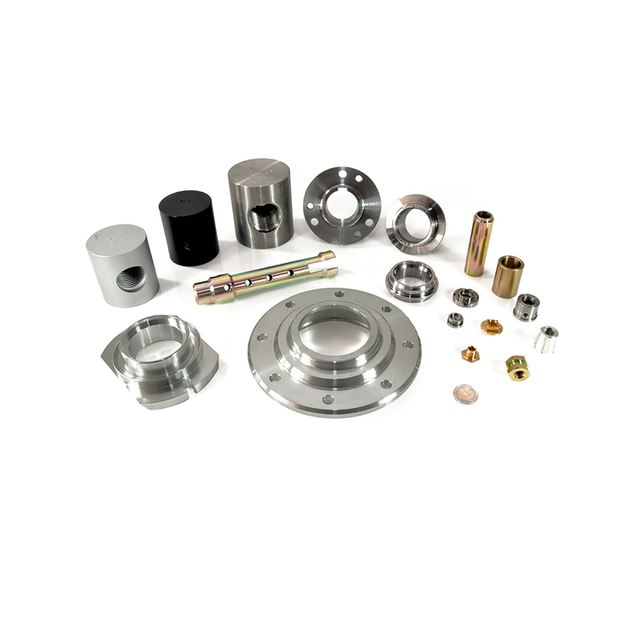
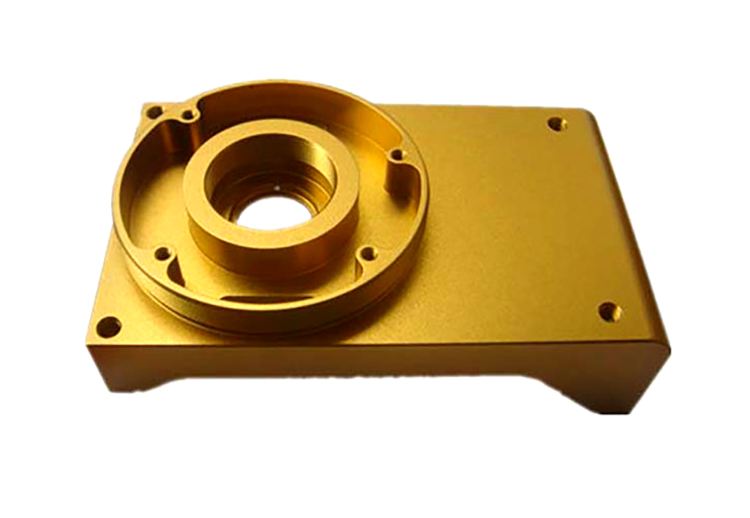
At PuKong CNC Machining, we process a wide array of materials to meet our clients’ precise specifications. Among these, CZ121 (CW614N, ASTM C36000) brass alloy stands out as one of the most machinable and efficient materials to work with. Often referred to as “Free-Cutting” or “Free-Machining” brass, it is renowned for its excellent manufacturability, making it a preferred choice for high-volume production of components like fittings, valves, connectors, gears, and decorative hardware.
While CZ121 is significantly easier to machine than most steels, aluminum, or plastics, achieving optimal results—maximizing tool life, achieving superior surface finishes, and maintaining dimensional accuracy—requires a disciplined approach. This document details the common problems, albeit minor compared to other materials, and the critical considerations for CNC milling CZ121 brass.
2.0 Common Problems in CNC Milling CZ121 Brass
The “problems” associated with CZ121 are less about inherent difficulty and more about optimizing the process to prevent minor quality issues and maximize efficiency.
2.1 Built-Up Edge (BUE) and Material Adhesion
- Problem: While much less common than with steel or aluminum, under certain conditions, the lead (Pb) particles in the brass can soften and weld themselves to the cutting tool’s edge. This built-up edge then breaks off periodically, leading to a slightly inconsistent surface finish and accelerated flank wear on the tool.
- Cause: This is typically caused by excessive heat due to incorrect machining parameters. Using a tool with an inappropriate geometry or a sub-optimal coating can also contribute.
2.2 Galling and Scratches on Finished Surfaces
- Problem: Brass is a relatively soft material. Finished surfaces are susceptible to scratches and scuffing (galling), often caused by handling, improper fixturing, or chip evacuation.
- Cause: Chips, especially the long, stringy type generated with incorrect feeds and speeds, can be recirculated by the tool and dragged across the machined surface, leaving scratches. Similarly, debris left on fixture jaws can imprint onto the workpiece.
2.3 Part Edge Burrs
- Problem: Despite its free-cutting nature, CZ121 can still produce burrs, particularly on exit edges of holes and pockets. While usually small and easy to remove, they represent an additional post-processing step.
- Cause: Using a dull tool is the primary cause. A worn cutting edge shears the material less cleanly, pushing a small lip of material (a burr) over the edge instead of cutting it. Incorrect feed rates can also contribute.
2.4 Workholding and Part Deformation
- Problem: The softness of brass makes it vulnerable to deformation from excessive clamping force.
- Cause: Using standard serrated steel vise jaws with high torque can easily dent and deform a brass component, leading to out-of-tolerance dimensions once the clamping pressure is released. This is especially critical for thin-walled parts.
3.0 Critical Considerations and Best Practices for PuKong Machining
To mitigate the above issues and leverage the full potential of CZ121’s machinability, the following protocols should be adhered to.
3.1 Tool Selection and Geometry
- Material: Uncoated Solid Carbide Tools are the gold standard. Carbide provides the necessary rigidity and can run at the high speeds brass allows. Uncoated tools are preferred as they are typically sharper and there is no risk of coating adhesion issues with the lead in the brass. High-Speed Steel (HSS) tools are also acceptable for simpler jobs but will not achieve the same tool life or surface finish speeds as carbide.
- Geometry:
- Sharp Cutting Edge: A keen, sharp edge is crucial for a clean shear cut and to minimize burr formation.
- High Helix Angle: A higher helix angle (around 35-45°) provides efficient chip evacuation, pulling chips up and away from the cut to prevent recutting and scratching.
- Polished Flutes: A polished flute surface further reduces the chance of chip adhesion and facilitates smoother chip flow.
3.2 Machining Parameters: Strategy for Efficiency
The goal is to produce small, broken chips that carry heat away effectively.
- Spindle Speed: CZ121 can handle very high spindle speeds (often 15,000 – 30,000 RPM for smaller end mills). This allows for high productivity rates.
- Feed Rate: Utilize a high feed rate. A slower feed rate causes the tool to rub, generating heat and increasing the risk of built-up edge. A high feed rate ensures the tool is always in a cutting state, producing thin chips that carry away heat.
- Depth of Cut (DOC): Use moderate to aggressive depth of cuts. Brass transmits cutting forces well and is rigid, allowing for heavier cuts than aluminum without deflection concerns. A larger axial DOC is often more efficient than a large radial DOC (slotting).
- Coolant/Lubrication:Compressed air blast is highly effective and highly recommended. It serves three purposes:
- Evacuates chips from the cutting zone, preventing recutting and surface scratches.
- Provides cooling without the mess of flood coolant.
- Prevents corrosion on the finished part, which can sometimes occur with certain water-based coolants.
For certain operations, a mist coolant system can be beneficial, but it is rarely necessary for most general milling tasks.
3.3 Workholding and Part Protection
- Soft Jaws: Always use soft jaws (aluminum or mild steel) that are machined to the specific contour of the brass stock. This distributes clamping pressure evenly and prevents marring the workpiece.
- Optimal Clamping Force: Apply only the minimum force necessary to secure the part firmly. Using a torque wrench on vise handles can ensure consistency.
- Deburring: Implement a dedicated deburring step. This can be manual (using brushes and abrasive pads) or automated (tumbling, thermal deburring). For critical edges, a light chamfering toolpath can be added in the CNC program.
3.4 Chip Management and Maintenance
- Evacuation: Ensure the CNC machine’s chip auger or conveyor is functioning correctly. Manually clear chips from the work area between operations to prevent part scratching.
- Tool Inspection: Implement a regular schedule for tool inspection. While tool life will be long, checking for flank wear and re-sharpening or replacing tools before they become dull is key to preventing burrs and maintaining surface finish quality.
4.0 Conclusion
For PuKong CNC Machining, CNC milling CZ121 brass represents an opportunity for exceptional efficiency and high-quality output. The “challenges” are not barriers but rather points of process optimization. By employing sharp, uncoated carbide tools, adopting a high-speed, high-feed-rate machining strategy with compressed air blast, and utilizing proper workholding with soft jaws, we can completely eliminate the minor issues associated with this material.
This disciplined approach allows us to leverage the superb machinability of CZ121 to its fullest, achieving impeccable surface finishes, holding tight tolerances, and maximizing productivity for our clients’ projects. It is a testament to our philosophy that even when working with the easiest materials, precision and best practices are never optional.