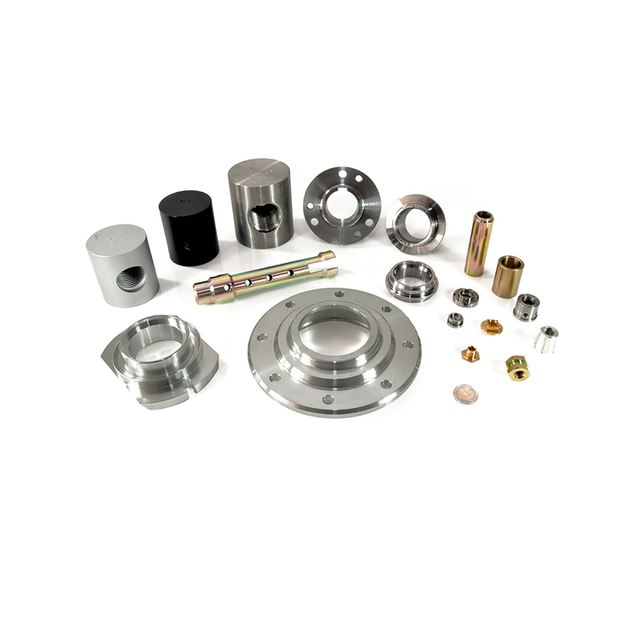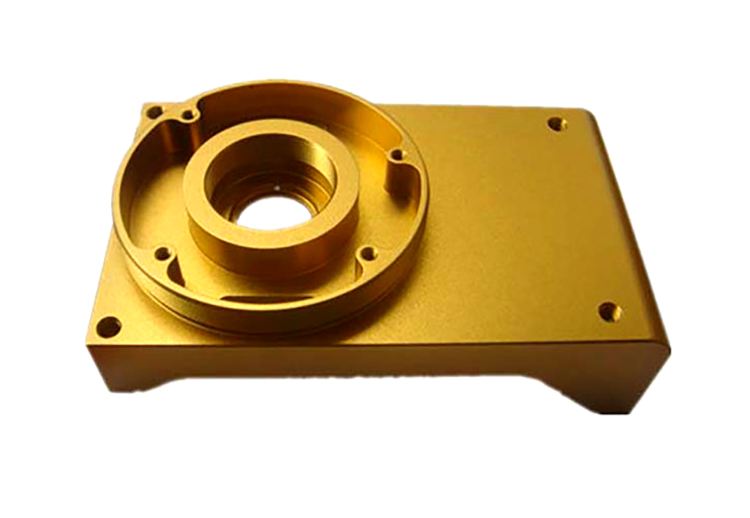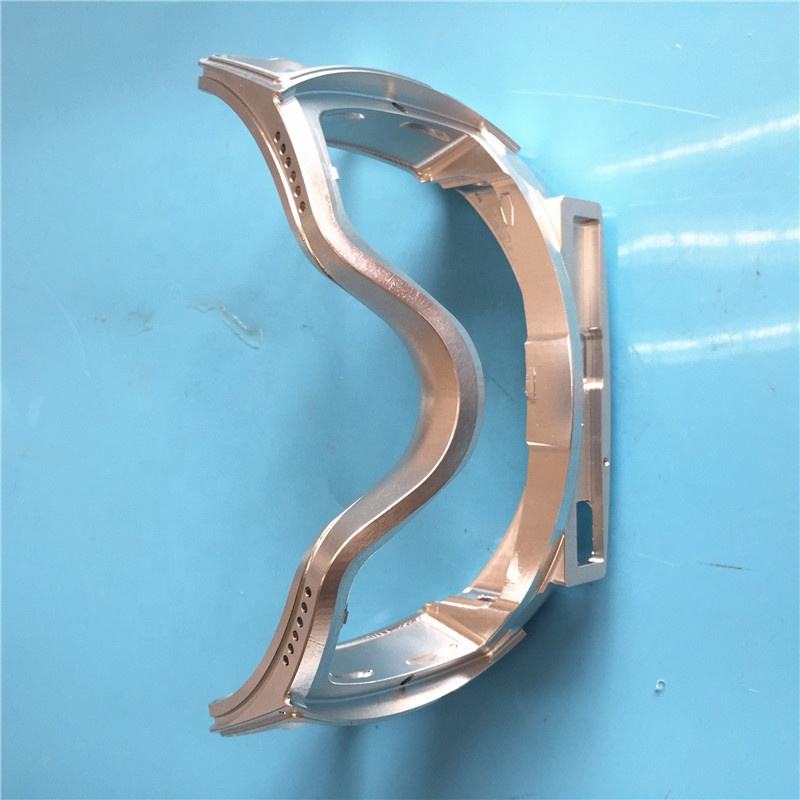
CNC (Computer Numerical Control) machining is a highly precise manufacturing process used to produce parts with tight tolerances, excellent positional accuracy, and superior surface finishes. Achieving these qualities requires a systematic approach that encompasses machine tool capabilities, tooling selection, programming strategies, and operational practices. Below are key methods and considerations for maintaining precision in CNC machining.
1. Machine Tool Selection and Maintenance
- High-Precision Machines: Invest in CNC machines with high rigidity, accuracy, and repeatability. Features like linear scales, closed-loop feedback systems, and thermal compensation mechanisms help maintain precision.
- Regular Maintenance: Calibrate machines periodically to ensure geometric accuracy (e.g., squareness, spindle alignment). Lubricate moving parts, check for wear in ball screws and guides, and maintain consistent temperature in the workshop to minimize thermal expansion effects.
2. Tooling Management
- Tool Quality: Use high-quality cutting tools made from carbide or coated materials for better wear resistance and stability. Tools should be balanced to reduce vibration and runout.
- Tool Inspection: Regularly measure tools for wear using presetters or in-process probes. Replace worn tools promptly to avoid deviations in size and surface finish.
- Tool Holding: Employ rigid tool holders (e.g., hydraulic or shrink-fit holders) to minimize tool deflection during cutting. Ensure collets and chucks are clean and undamaged.
3. Workholding and Setup
- Secure Fixturing: Use stable vises, clamps, or custom fixtures to hold the workpiece firmly without distortion. Avoid over-tightening to prevent part deformation.
- Proper Alignment: Align the workpiece accurately relative to the machine axes using edge finders, dial indicators, or probes. Misalignment can cause positional errors and uneven cuts.
- Minimize Setups: Reduce the number of setups to avoid cumulative errors. When multiple setups are necessary, use datum features consistently for reference.
4. Programming Strategies
- Optimal Feeds and Speeds: Calculate appropriate cutting parameters based on material, tool type, and operation. Excessive speed or feed can cause tool deflection, heat buildup, and poor surface finish, while too slow rates may lead to tool wear.
- Tool Path Planning: Use climb milling for better surface finish and reduced tool load. Employ adaptive toolpaths for high-efficiency roughing while minimizing stress on the tool and workpiece.
- Finishing Passes: Include light finishing passes with small stepovers to achieve tight tolerances and low surface roughness. Allow for spring passes to ensure accurate dimensions.
5. In-Process Monitoring and Compensation
- Probing Systems: Integrate touch-triggers or laser probes to measure parts during machining. Compensate for tool wear or thermal drift automatically by adjusting tool offsets.
- Coolant Management: Use adequate coolant to dissipate heat, prevent thermal expansion, and improve chip evacuation. This helps maintain dimensional stability and surface quality.
- Chip Control: Ensure chips are cleared efficiently to avoid recutting, which can damage the surface finish and tool.
6. Material Considerations
- Material Stability: Select materials with good machinability and stability. Some materials (e.g., aluminum, brass) are easier to machine precisely than others (e.g., titanium, hardened steel).
- Stress Relief: For parts requiring high precision, pre-treat materials through stress-relieving processes to minimize internal stresses that could cause deformation after machining.
7. Post-Machining Inspection and Feedback
- Quality Control: Use coordinate measuring machines (CMM), optical comparators, or surface profilometers to verify dimensions, positional accuracy, and roughness. Compare results with CAD models to identify deviations.
- Continuous Improvement: Analyze inspection data to refine machining processes, tooling choices, and programming parameters for future jobs.
Key Considerations:
- Environmental Control: Maintain a stable temperature and humidity level in the machining area to prevent thermal expansion and contraction of parts and machines.
- Operator Skill: Train operators to understand precision machining principles, including proper setup, tool handling, and troubleshooting.
- Documentation: Keep detailed records of machining parameters, tool life, and inspection results to ensure consistency across production runs.
By addressing these factors, manufacturers can consistently achieve tight tolerances (e.g., ±0.01 mm or better), precise positional accuracy, and low surface roughness (e.g., Ra < 0.8 μm) in CNC machining. The integration of advanced technology, disciplined processes, and skilled execution is essential for producing high-precision components.