What is PVD?
Physical Vapor Deposition (PVD) is a vacuum-based coating process in which a solid source material (metal, alloy, or ceramic) is physically vaporized into individual atoms or molecules. These vaporized particles then travel through a low‑pressure chamber and condense onto a substrate, forming a thin, dense, and highly adherent film. Typical PVD methods include sputtering and thermal evaporation.
Key properties of PVD coatings:
- Extremely thin but hard (typically 1–5 µm)
- High wear and abrasion resistance
- Low coefficient of friction
- Excellent corrosion and oxidation resistance
- High temperature stability (up to 700–1000 °C for some coatings)
- Environmentally clean (no chemical waste or hazardous by‑products)
Applications of PVD in CNC Machining & CNC Manufacturing
The CNC industry relies heavily on PVD coatings for two main areas: cutting tools and machined components.
1. PVD for CNC Cutting Tools
PVD coatings are widely applied to end mills, drills, inserts, taps, reamers, and gear cutters. Why?
- Extended tool life – Hard coatings like TiN, TiAlN, AlCrN, and DLC (diamond‑like carbon) reduce adhesive and abrasive wear. Tool life can increase by 2 to 10 times compared to uncoated tools.
- Higher cutting speeds & feeds – The low friction and thermal barrier properties allow CNC machines to run faster without damaging the tool edge.
- Machining of difficult materials – Stainless steels, titanium alloys, Inconel, and hardened tool steels become machinable with PVD‑coated carbide tools. For example, TiAlN retains hardness at high temperatures, making it ideal for dry or near‑dry machining.
- Improved surface finish – Reduced built‑up edge and lower friction result in smoother workpiece surfaces, often eliminating secondary finishing operations.
Typical PVD coatings for CNC tools:
| Coating | Color | Main benefit |
|---|---|---|
| TiN | Gold | General purpose, wear resistance |
| TiCN | Grey | Lower friction, better toughness |
| TiAlN | Violet | High temperature stability, ideal for hard metals |
| AlCrN | Grey | Excellent oxidation resistance, stainless & superalloys |
| DLC | Black | Very low friction, non‑stick (aluminum, copper) |
2. PVD for CNC‑Machined Components
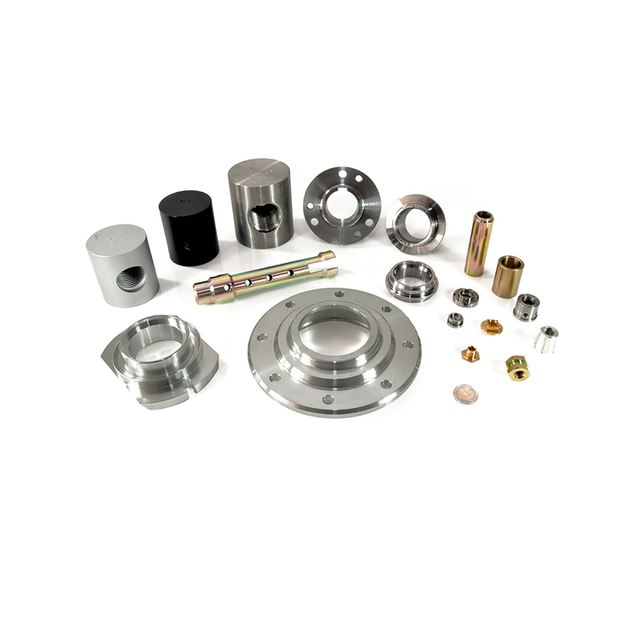
Beyond tools, the parts produced by CNC machining also benefit from post‑process PVD coating.
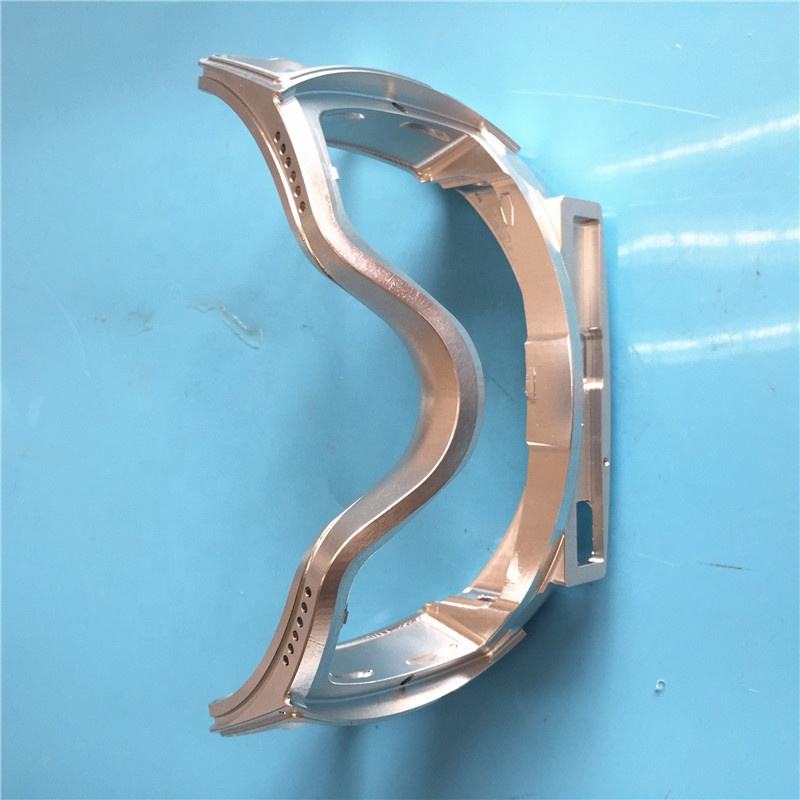
- Functional enhancement – Machined parts (gears, shafts, bearings, valves, aerospace brackets) receive PVD coatings to increase surface hardness, reduce wear, or provide corrosion resistance without changing tight tolerances. The coating thickness is only a few microns, so critical dimensions remain intact.
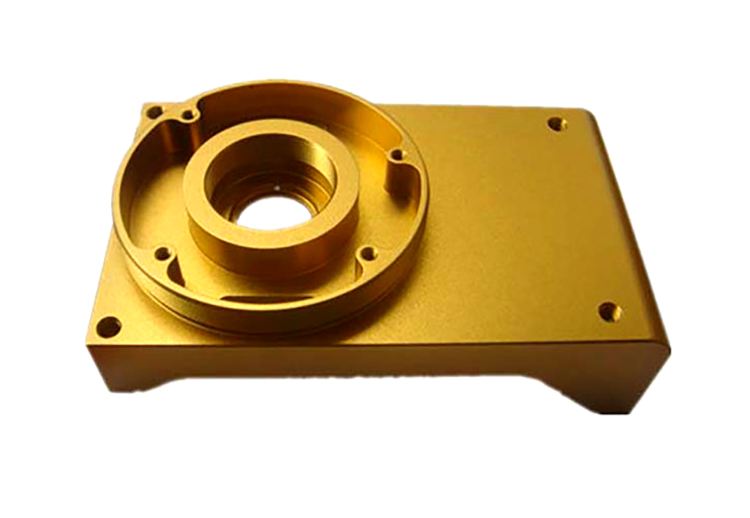
- Decorative + protective – Consumer products (watch cases, smartphone frames, automotive trim) are CNC‑machined from aluminum, stainless steel, or titanium, then PVD‑coated in colors like black, gold, rose gold, or gunmetal. This gives a premium, scratch‑resistant finish.
- Medical & implantable devices – CNC‑machined surgical instruments, orthopedic trial components, and dental tools often receive PVD coatings (e.g., TiN or DLC) for biocompatibility, low friction, and sterilization resistance.
3. Benefits for the CNC Manufacturing Industry
- No geometry change – PVD is a line‑of‑sight process but can coat complex CNC‑machined shapes (internal bores, threads, undercuts) using planetary rotation fixtures.
- Low‑temperature process – Most PVD coatings are applied below 500 °C, preventing distortion or softening of precision‑machined parts (including hardened steels or aluminum alloys).
- Scalable from small to large batches – CNC job shops can run small batches of coated parts or tools without expensive setup, as PVD chambers can hold many different components simultaneously.
- Consistent, repeatable results – Modern computer‑controlled PVD equipment ensures uniform coating thickness across batches, critical for quality assurance in CNC manufacturing.
Practical Example
A CNC job shop produces 500 aluminum 6061 housings for a medical device. The housings need a scratch‑resistant, non‑glare black surface that does not affect the ±0.01 mm tolerance. After machining, the parts are sent to a PVD coater for a DLC (diamond‑like carbon) coating. The DLC layer (2 µm) provides the required hardness and color, while the low temperature (200 °C) keeps the aluminum from warping. No secondary polishing or grinding is needed.
At the same shop, their CNC roughing end mills for stainless steel are coated with AlCrN via PVD. Tool life increases from 40 minutes to over 4 hours, and spindle speeds increase by 40%, dramatically reducing production time and tooling costs.
Conclusion
PVD is an indispensable technology in modern CNC machining and manufacturing. It significantly improves the performance and lifespan of cutting tools, enables efficient machining of advanced alloys, and adds high‑value functional or decorative surfaces to finished components. With its low‑temperature, environmentally clean, and dimensionally precise nature, PVD perfectly complements the accuracy and flexibility of CNC processes.