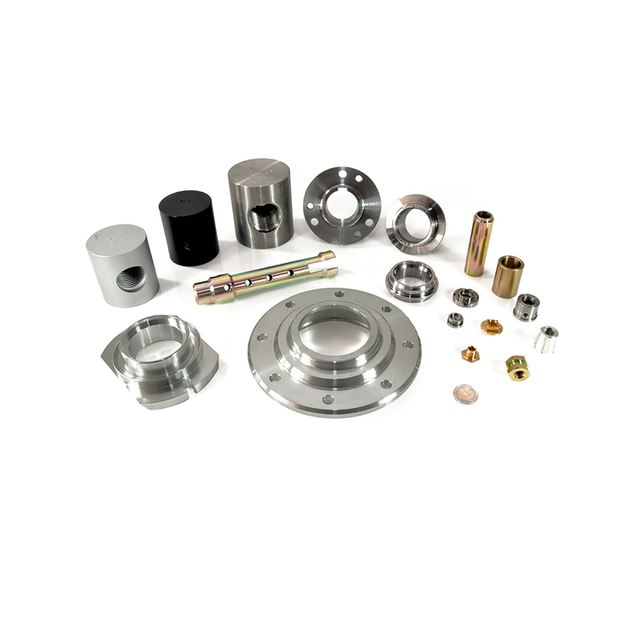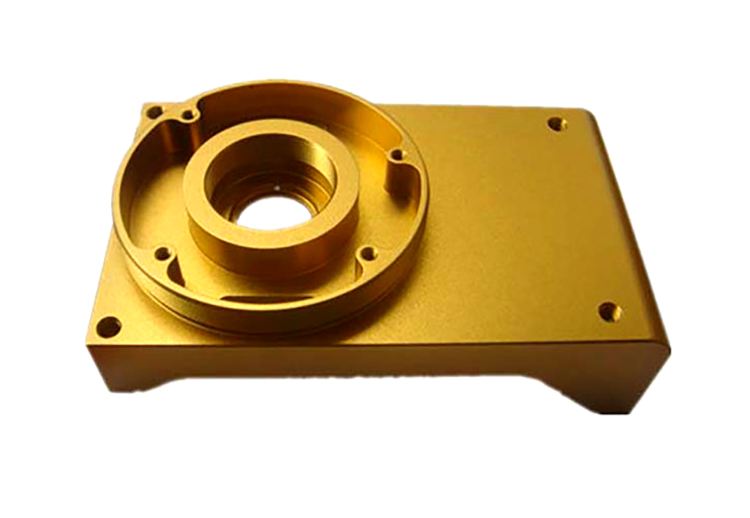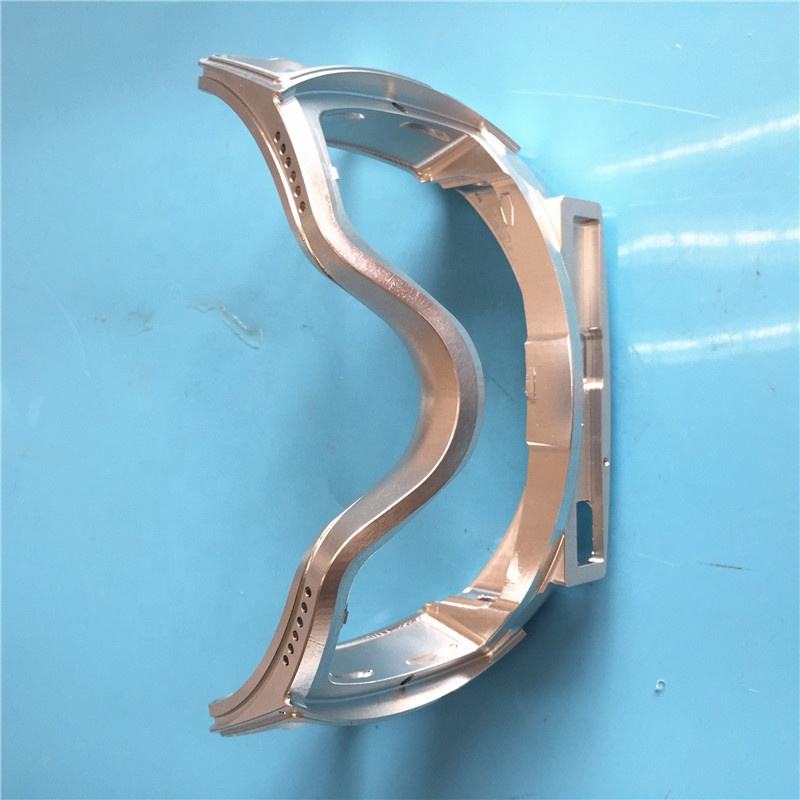
In the CNC machining component industry, restricting photography and prohibiting the online sharing of photos, especially of components and drawings, is a fundamental requirement for protecting Intellectual Property (IP) and maintaining competitive advantage. Here’s a breakdown of the reasons:
- Protection of Intellectual Property (IP):
- A photographed component, especially a prototype or a high-precision part, represents years of research, design, and engineering investment. A single photo can reveal unique design features, geometries, and technical solutions that are the core IP of the client.
- Competitors can reverse-engineer the part from high-quality images, allowing them to copy the design without incurring the original R&D costs.
- Prevention of Reverse Engineering:
- While a photo might not provide all the dimensional tolerances, it gives away critical information like the overall shape, assembly methods, key features (e.g., mounting holes, cooling channels), and material finish. This is often enough for a skilled engineer to create a similar, competing product.
- Confidentiality and Secrecy Agreements:
- Many projects, particularly in industries like aerospace, defense, medical devices, and automotive, are covered by strict non-disclosure agreements (NDAs) and may be classified as “Confidential” or “Top Secret.” Any unauthorized disclosure, including a simple photo, constitutes a severe breach of contract.
- Maintaining Competitive Edge:
- Companies rely on their new products to gain a market advantage. A leaked image of a pre-production prototype can alert competitors and the market prematurely, allowing rivals to accelerate their own development or prepare a competitive response, thereby nullifying the first-mover advantage.
- Reputational Damage and Loss of Trust:
- For a CNC supplier, a leak of client information is a catastrophic failure. It destroys the trust that is essential in a client-supplier relationship and can lead to the immediate termination of contracts, legal action, and severe reputational damage that makes it impossible to attract future business.
Measures to Prevent Suppliers from disclosure Client Drawings and Information
Preventing data leaks requires a multi-layered approach, combining legal, technical, and managerial controls. Here are the key measures:
1. Legal and Contractual Measures:
- Non-Disclosure Agreement (NDA): This is the first and most critical line of defense.
- A well-drafted NDA legally binds the supplier and all its employees to confidentiality.
- It should clearly define what constitutes “Confidential Information” (e.g., drawings, 3D models, business plans).
- It must specify the obligations of the receiving party, the term of confidentiality (often lasting for several years after the project ends), and the penalties for breach, which can include significant financial damages and legal fees.
- Strict Supply Contracts: The main purchasing contract should include robust IP protection clauses, reiterating the supplier’s responsibility for safeguarding data and outlining clear consequences for any breach.
2. Technical and Physical Security Measures:
- Digital File Security:
- Password-Protected and Encrypted Files: Send all technical drawings and 3D models as encrypted files or through secure, password-protected portals.
- Digital Rights Management (DRM): Use specialized software that prevents files from being printed, copied, or screenshotted. It can also watermark documents with the viewer’s name to trace leaks.
- Secure File Transfer Protocol (SFTP) Servers: Avoid using public email or cloud services for sensitive data. Use secure, company-controlled servers for all file exchanges.
- Controlled Physical Access:
- Restricted Areas: Designate specific areas of the workshop where sensitive projects are machined and restrict access to authorized personnel only. Use keycards or codes for entry.
- Clear Workspace Policies: Implement a “clean desk” policy where drawings and documents must be stored securely when not in use.
- No Camera Policy: Enforce a strict no-photography policy on the production floor. This can be reinforced by requiring employees to leave their personal phones in lockers before entering sensitive areas.
3. Managerial and Procedural Measures:
- Employee Training and Awareness:
- Regularly train all employees on the importance of IP protection and the company’s security protocols.
- Ensure every employee who handles client data has read and signed the NDA.
- Create a culture of security where employees understand that protecting client IP is a core part of their job.
- Audits and Compliance Checks:
- Include security compliance as part of your supplier qualification process.
- Reserve the right to conduct occasional audits of the supplier’s data security practices.
- Segmentation of Information:
- Practice the “Principle of Least Privilege.” Employees should only have access to the information they absolutely need to perform their specific task. The assembly team may not need to see the full design drawing for the internal components.
Conclusion
In summary, prohibiting photography and online sharing in CNC machining component is essential to protect a client’s most valuable assets: their designs and intellectual property. To effectively prevent leaks, companies must rely on a strong combination of:
- A legally binding NDA.
- Robust technical security for digital files.
- Strict physical access controls in the factory.
- Comprehensive employee training and a strong security culture.
By implementing these measures, a CNC machining supplier can demonstrate its commitment to confidentiality and become a trusted partner to its clients.