Introduction
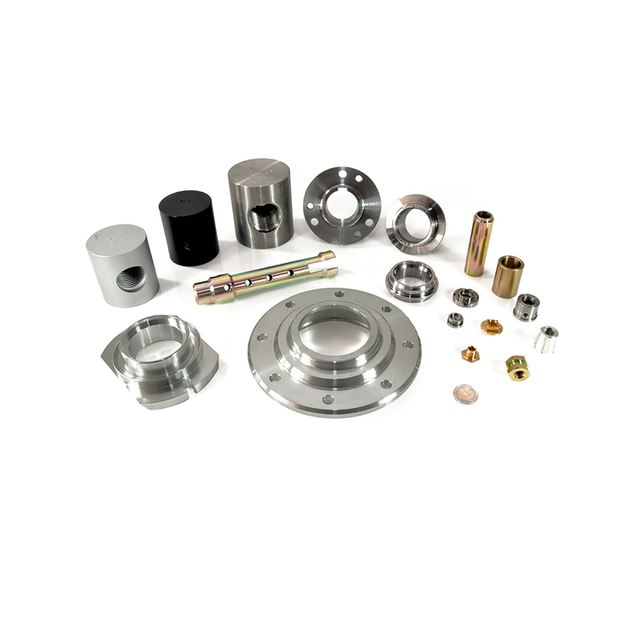
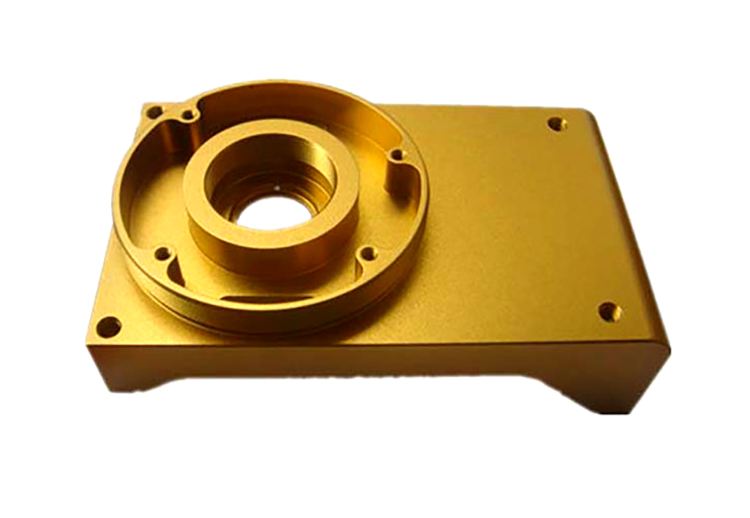
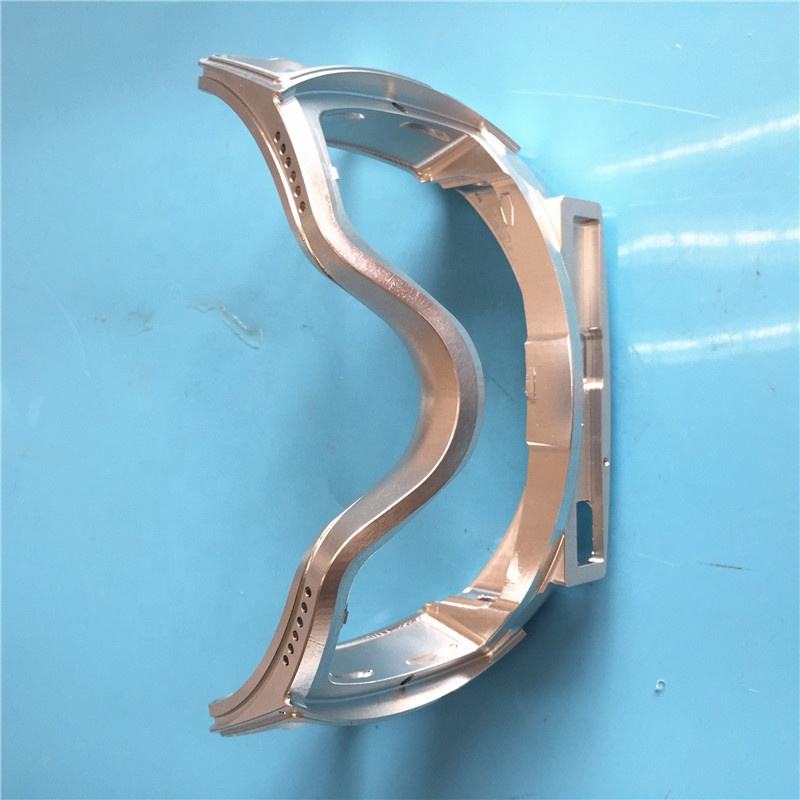
CNC (Computer Numerical Control) machining is a subtractive manufacturing process that produces high-precision parts from various materials, including plastics, aluminum, and steel. Each material has unique properties, making them suitable for different industries and applications. This article explores the key applications, advantages, and pricing of CNC-machined plastic, aluminum, and steel parts.
1. CNC Machining Plastic
Common Materials:
- ABS (Affordable, impact-resistant)
- PC (Polycarbonate) (High strength, transparent)
- PMMA (Acrylic) (Optical clarity)
- POM (Acetal) (Low friction, high stiffness)
- PA (Nylon) (Wear-resistant, durable)
Applications:
- Prototyping & Functional Testing: Used in product development to test form, fit, and function.
- Consumer Electronics: Casings, buttons, and housings for devices.
- Medical Devices: Surgical tools, fluid handling components, and prosthetics.
- Automotive Interiors: Dashboard components, knobs, and trim parts.
- Industrial Components: Gears, bushings, and insulators.
Advantages:
✔ Lightweight
✔ Good chemical resistance
✔ Lower tool wear compared to metals
✔ Cost-effective for prototypes
Price Range:
- $50–$200 per part (varies based on material, complexity, and size)
- Batch production (10–100 parts): $20–$100 per part
2. CNC Machining Aluminum
Common Grades:
- 6061 (General-purpose, weldable)
- 6063 (General-purpose, weldable)
- 6082 (High strength, light Weight)
- 7075 (High strength, aerospace-grade)
- 5083 (Marine & corrosion-resistant)
Applications:
- Aerospace: Aircraft frames, engine components, and drone parts.
- Automotive: Engine blocks, suspension parts, and wheels.
- Consumer Electronics: Laptop chassis, heat sinks, and smartphone frames.
- Industrial Machinery: Robotics, CNC fixtures, and structural components.
- Medical Devices: Surgical instruments and implantable devices.
Advantages:
✔ High strength-to-weight ratio
✔ Excellent machinability
✔ Corrosion-resistant (especially anodized)
✔ Good thermal & electrical conductivity
Price Range:
- $100–$500 per part (depends on alloy and complexity)
- Batch production (10–100 parts): $50–$300 per part
3. CNC Machining Steel
Common Grades:
- Mild Steel (A36, 1018) (Low cost, easy to machine)
- Stainless Steel (304, 316) (Corrosion-resistant)
- Tool Steel (D2, A2) (High hardness, wear-resistant)
- Alloy Steel (4140, 4340) (High strength, heat-treatable)
Applications:
- Automotive & Heavy Machinery: Gears, shafts, and engine components.
- Aerospace & Defense: Landing gear, missile components, and structural parts.
- Medical & Surgical Tools: Scalpels, implants, and orthopedic devices.
- Industrial Equipment: Hydraulic cylinders, molds, and press tools.
- Oil & Gas: Valves, drill bits, and pipeline fittings.
Advantages:
✔ Extremely durable & wear-resistant
✔ High load-bearing capacity
✔ Can be heat-treated for enhanced properties
✔ Long lifespan in harsh environments
Price Range:
- $150–$1,000+ per part (depends on steel grade and complexity)
- Batch production (10–100 parts): $80–$600 per part
Cost Comparison Summary
| Material | Price per Part (Prototype) | Batch Production (10–100 pcs) | Best For |
|---|---|---|---|
| Plastic | $50–$200 | $20–$100 | Lightweight, low-cost prototypes, consumer goods |
| Aluminum | $100–$500 | $50–$300 | Aerospace, automotive, electronics |
| Steel | $150–$1,000+ | $80–$600 | Heavy-duty industrial, medical, defense |
Conclusion
- Plastic CNC machining is ideal for prototyping, lightweight parts, and cost-sensitive applications.
- Aluminum CNC machining offers a balance of strength and weight, making it perfect for aerospace, automotive, and electronics.
- Steel CNC machining is best for high-stress, wear-resistant, and long-lasting industrial components.
Pricing depends on material cost, machining time, part complexity, and order volume. For the best results, consult PuKong(a CNC machining service) with your design specifications to get an accurate quote.
Would you like a more detailed breakdown for a specific industry or applications?