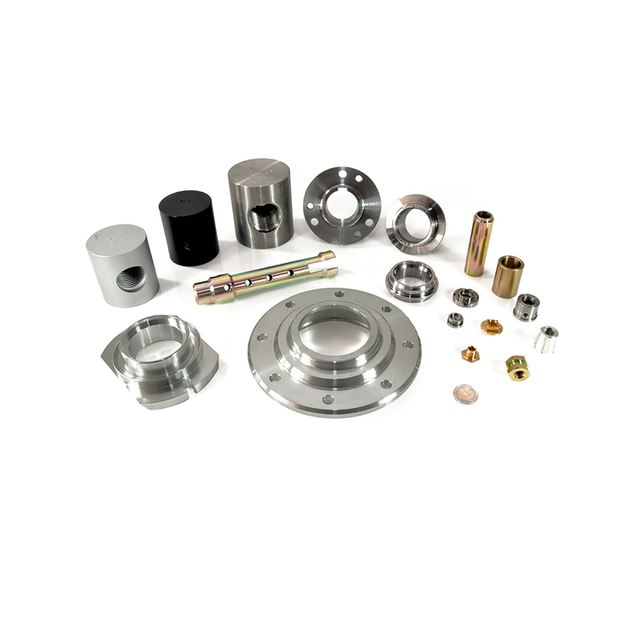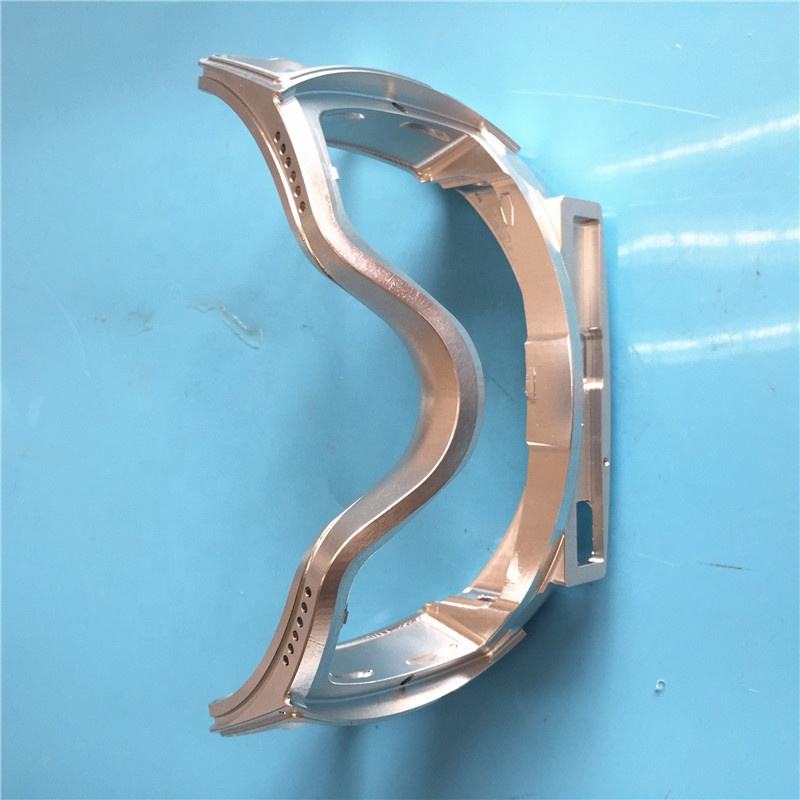
During Donald Trump’s presidency, the U.S. imposed multiple rounds of tariffs on Chinese goods under Section 301 of the Trade Act of 1974, targeting industries deemed critical to national security and technological competition. Among the affected sectors was China’s CNC (Computer Numerical Control) machining services industry, which plays a vital role in manufacturing precision parts for aerospace, automotive, electronics, and medical devices. This essay examines how Trump’s tariffs impacted China’s CNC machining exports to the U.S., analyzing both immediate disruptions and long-term industry adaptations.
Immediate Effects on CNC Machining Trade
The tariffs, ranging from 10% to 25%, significantly increased costs for U.S. companies that relied on Chinese CNC machining services. Many American manufacturers—particularly in aerospace, defense, and automotive sectors—had depended on China’s cost-effective, high-precision machining capabilities. Overnight, these businesses faced a dilemma: absorb the extra costs, pass them to customers, or seek alternative suppliers.
Small and medium-sized U.S. manufacturers were hit hardest, as they lacked the financial flexibility to absorb sudden price hikes. Some delayed or canceled orders, leading to a short-term decline in CNC machining exports from China. Meanwhile, larger corporations with established supply chains began reevaluating their reliance on Chinese suppliers, accelerating trends toward reshoring or nearshoring production.
Supply Chain Shifts and Competitive Responses
The tariffs forced both U.S. buyers and Chinese CNC machining firms to adapt. Some U.S. companies explored alternative suppliers in Mexico, Vietnam, and India, where labor costs were competitive and tariffs were lower. However, many found that these alternatives lacked China’s advanced infrastructure, skilled workforce, and rapid turnaround times, particularly for complex, high-tolerance parts.
Chinese CNC machining providers responded in several ways:
- Price Adjustments: Some absorbed part of the tariff costs to retain key clients, squeezing profit margins.
- Value-Added Services: Others invested in automation, faster lead times, and enhanced quality control to justify higher prices.
- Geographic Diversification: Several Chinese firms set up subsidiaries in tariff-exempt countries (e.g., Vietnam or Malaysia) to bypass U.S. duties while maintaining Chinese management and expertise.
Long-Term Industry Transformations
While the tariffs initially disrupted trade, China’s CNC machining industry demonstrated resilience through:
- Technological Upgrades: Many firms invested in AI-driven machining, multi-axis CNC systems, and IoT-enabled production to improve efficiency and offset tariff-related cost increases.
- Market Diversification: Exporters reduced reliance on the U.S. by expanding into Europe, Japan, and domestic Chinese markets, where demand for precision machining was growing.
- Supply Chain Localization: To avoid tariffs on raw materials (e.g., aluminum and steel), some companies sourced more materials domestically or from non-tariffed regions.
Sector-Specific Impacts
- Aerospace & Defense: High tariffs on critical components forced some U.S. firms to reshore production, but many still relied on China for cost-sensitive parts.
- Medical Devices: Demand remained stable due to China’s expertise in high-precision, FDA-compliant machining, making tariffs a manageable burden.
- Automotive: Some U.S. automakers shifted orders to Mexico, but China retained business for prototyping and low-volume, high-complexity parts.
Conclusion
Trump’s tariffs disrupted China’s CNC machining exports to the U.S., triggering short-term order reductions and supply chain reevaluations. However, the industry adapted by improving technology, diversifying markets, and optimizing costs. While some U.S. companies moved production elsewhere, China’s advanced manufacturing ecosystem, skilled labor, and economies of scale ensured it remained a key player in global CNC machining services. The tariffs ultimately accelerated innovation and strategic shifts within the industry, reinforcing China’s long-term competitiveness in precision manufacturing.
Want to find a reliable CNC machining services provider in China? Please don’t hesitate to contact us. We hope our fast reaction with best price and best quality and fast turnaround would help you in your product development process.