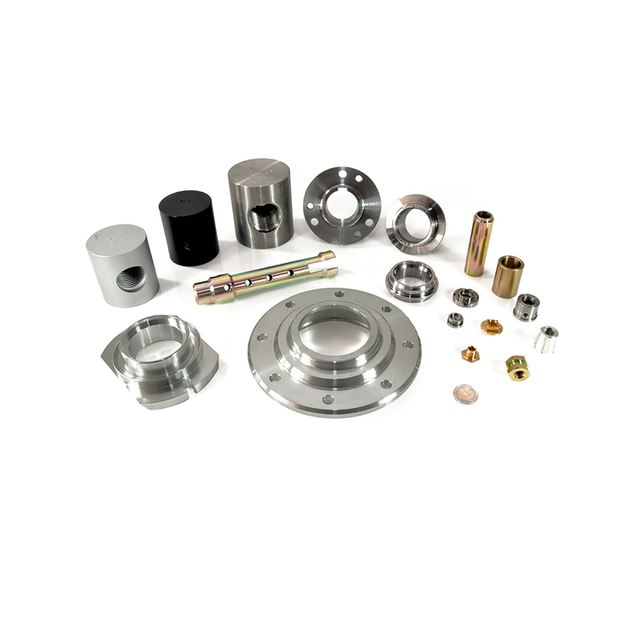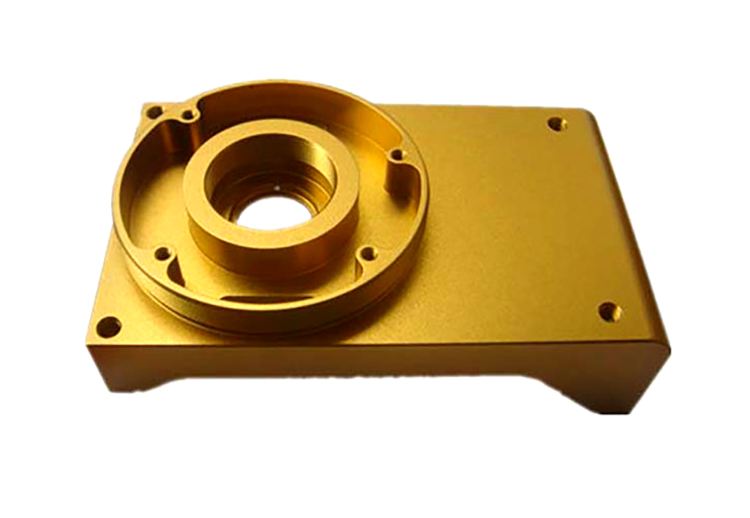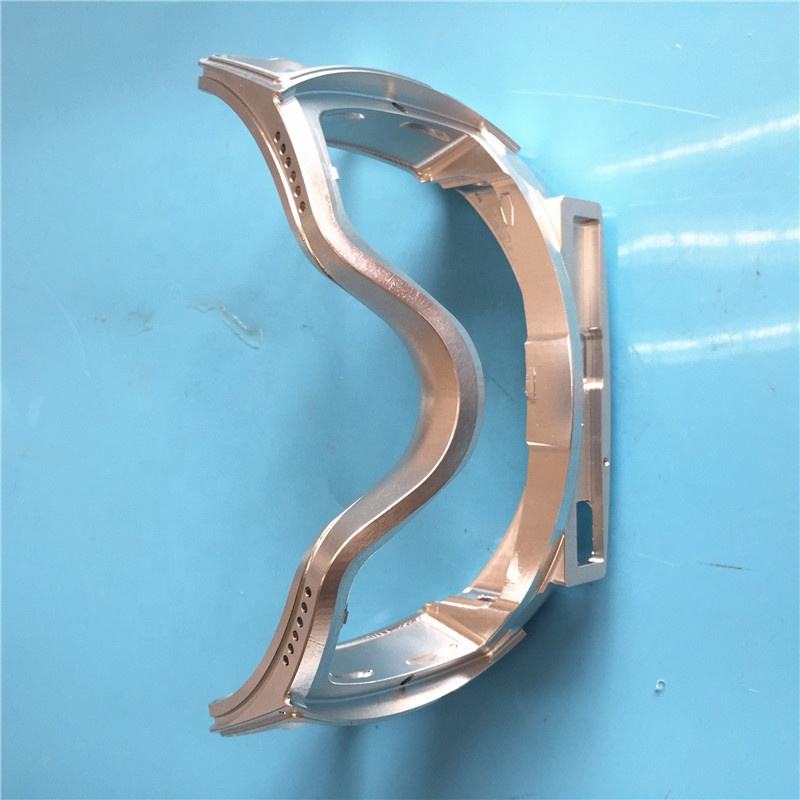
CNC (Computer Numerical Control) machining is a critical manufacturing process used for high-precision parts in industries like aerospace, automotive, medical devices, and consumer electronics. China and the U.S. are two leading providers of CNC machining services, but they differ significantly in cost, lead time, quality, and scalability. This report provides a detailed comparison to help businesses choose the best option for their needs.
1. Cost Comparison
China: Significantly Lower Prices
- Average Cost: 50–70% cheaper than the U.S. due to lower labor costs, government subsidies, and economies of scale.
- Aluminum Parts: $50–$200 per part (vs. $200–$800 in the U.S.).
- Stainless Steel Parts: $100–$500 per part (vs. $400–$1,500 in the U.S.).
- Titanium Parts: $300–$1,000 per part (vs. $800–$3,000 in the U.S.).
- Tooling & Setup Costs: Lower due to high competition among manufacturers.
- Why So Cheap?
- Lower wages for skilled machinists.
- Large-scale industrial clusters (e.g., Shenzhen, Dongguan) reduce material costs.
U.S.: Higher Costs, Premium Service
- Average Cost: 2–5x more expensive than China.
- Aluminum Parts: $200–$800 per part.
- Stainless Steel Parts: $400–$1,500 per part.
- Titanium Parts: $800–$3,000 per part.
- Tooling & Setup Costs: Higher due to stricter regulations and labor expenses.
- Why More Expensive?
- Higher wages for engineers and machinists.
- Compliance with environmental and safety standards increases costs.
Best for Budgets:
- China: Best for cost-sensitive projects.
- U.S.: Best when quality and compliance are critical.
2. Lead Time Comparison
China: Faster for Standard Orders
- Standard Lead Time: 3–7 days for simple parts, 7–14 days for complex geometries.
- Rush Services: Available in 1–3 days for an additional fee.
- Why Faster?
- 24/7 manufacturing culture in industrial hubs.
- Large supplier networks enable quick material sourcing.
U.S.: Slower but More Reliable
- Standard Lead Time: 7–15 days for most orders.
- Rush Services: Possible in 3–5 days, but at a premium cost.
- Why Slower?
- Smaller-scale operations mean fewer overnight shifts.
- More rigorous quality checks before shipping.
Trade-off:
- China = Speed + Affordability
- U.S. = Consistency + Precision
3. Quality & Precision
China: Improving but Variable
- Pros:
- Many factories now offer ±0.05–0.1mm tolerances (good enough for most applications).
- Advanced CNC machines (e.g., DMG Mori, Haas) are widely available.
- Cons:
- Inconsistencies in surface finish and dimensional accuracy.
- Some shops use lower-grade materials to cut costs.
U.S.: Higher Consistency & Tight Tolerances
- Pros:
- Tighter tolerances (±0.01–0.05mm) for aerospace, medical, and defense.
- Better material traceability (e.g., certified aerospace alloys).
- Cons:
- Over-engineering can increase costs unnecessarily.
Best for Precision Needs:
- China: Consumer electronics, automotive, non-critical parts.
- U.S.: Medical implants, aerospace components, military hardware.
4. Material Options & Availability
China: Wide but Sometimes Lower-Grade
- Common Materials:
- Aluminum (6061, 7075), Stainless Steel (304, 316), Brass, Copper, Plastics (ABS, POM).
- Exotic Materials:
- Titanium (Grade 2, 5), Inconel (limited availability).
- Issues:
- Some suppliers use non-certified metals to save costs.
U.S.: High-Grade & Certified Materials
- Common Materials:
- Aerospace-grade aluminum (7075-T6), medical-grade stainless steel (17-4PH).
- Exotic Materials:
- Titanium (Grade 5, 23), Inconel 718, PEEK (medical plastics).
- Advantage:
- Full material certifications (e.g., ISO, ASTM, AMS).
Best for Material Integrity:
- China: Good for prototyping and non-regulated industries.
- U.S.: Mandatory for medical, aerospace, and defense.
5. Intellectual Property (IP) Protection
China: Higher Risk of IP Leaks
- Pros:
- Many reputable factories now enforce NDAs.
- Cons:
- Counterfeit risk—some shops may replicate designs.
- Weak legal enforcement if IP is stolen.
U.S.: Strong Legal Safeguards
- Pros:
- Contracts, patents, and NDAs are legally enforceable.
- Lower risk of design theft.
- Cons:
- Higher legal costs for IP protection.
Recommendation:
- Use China for non-critical parts, U.S. for proprietary designs.
6. Scalability & Mass Production Transition
China: Seamless Scaling to Mass Production
- Pros:
- Easy transition from prototype to high-volume orders.
- Lower per-unit costs at scale.
- Cons:
- Minimum Order Quantities (MOQs) may apply.
U.S.: Better for Low-Volume, High-Value
- Pros:
- No MOQs for small batches.
- Faster design adjustments for specialized industries.
- Cons:
- Expensive for large-scale production.
Best for Production Volume:
- China: Mass production (>1,000 units).
- U.S.: Low-volume, high-margin parts (<500 units).
7. Communication & Customer Service
China: Language & Time Zone Challenges
- Pros:
- Major suppliers have English-speaking staff.
- Cons:
- Miscommunication risks due to language barriers.
- 12+ hour time difference delays responses.
U.S.: Smoother Collaboration
- Pros:
- No language barriers for English-speaking clients.
- Easier to visit facilities for inspections.
Conclusion: Which to Choose?
| Factor | China | U.S. |
|---|---|---|
| Cost | ✅ Very Low | ❌ High |
| Speed | ✅ Fast (3–7 days) | ❌ Slower (7–15 days) |
| Quality | ⚠️ Good for most | ✅ Best for tight tolerances |
| IP Security | ❌ Risky | ✅ Secure |
| Scalability | ✅ Best for mass production | ❌ Limited scalability |
When to Use China:
✔ Prototyping & cost-sensitive projects
✔ High-volume production (>1,000 units)
✔ Consumer electronics & automotive
When to Use the U.S.:
✔ High-precision industries (medical, aerospace)
✔ IP-sensitive designs
✔ Low-volume, high-value parts
Final Verdict:
- China is best for affordability and speed—ideal for startups and hardware companies.
- The U.S. is best for precision and compliance—critical for regulated industries.