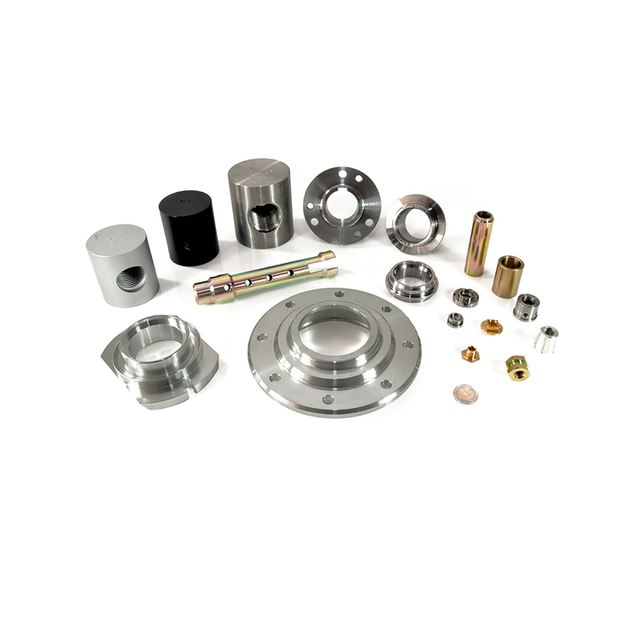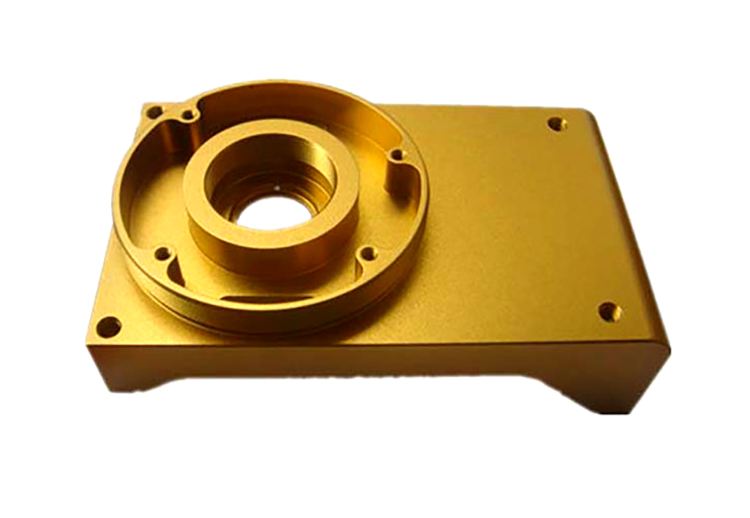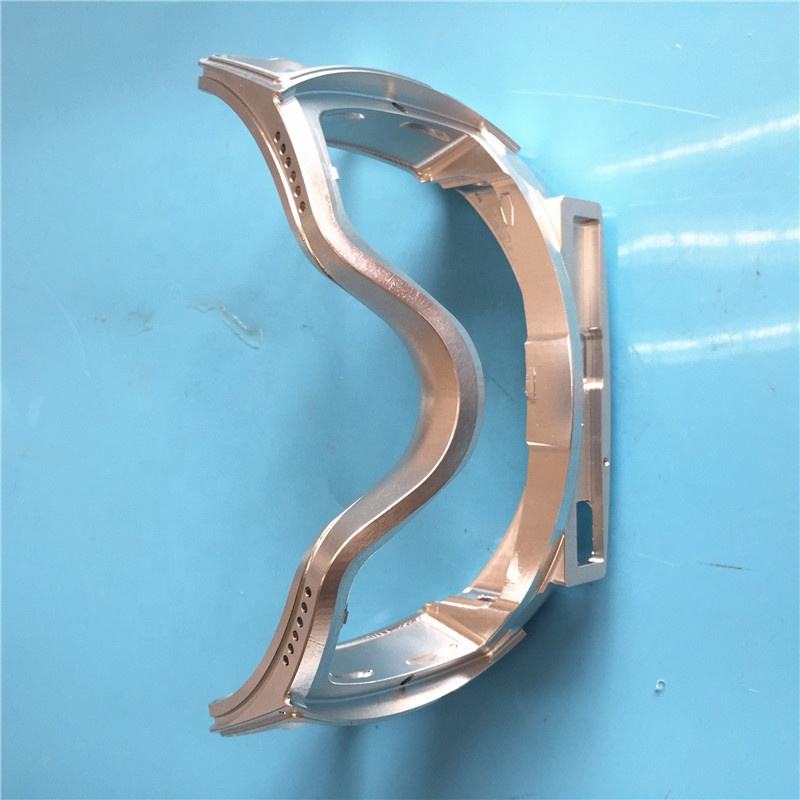
At PuKong CNC Machining, we specialize in precision manufacturing services using a variety of steel alloys to meet diverse industrial demands. Steel is one of the most widely used materials in CNC machining serivces due to its strength, durability, and versatility. This guide provides a detailed breakdown of the most common steel grades, their properties, machining characteristics, and applications to help you select the best material for your project.
1. Common Steel Grades in CNC Machining services
Steel can be categorized into carbon steels, alloy steels, tool steels, and stainless steels, each with unique properties. Below are the most frequently machined steel grades:
A. Carbon Steels
1. Low Carbon Steel (Mild Steel) – ASTM A36, 1018, 1020
- Properties:
- Tensile Strength: 370-500 MPa
- Hardness: 120-180 HB (Brinell)
- Ductility: High (easy to machine and weld)
- Machining Behavior:
- Minimal deformation (low residual stress).
- Excellent machinability but prone to burrs.
- Applications:
- Structural components, brackets, shafts.
- Temperature Resistance:
- Stable up to 250°C (softens above this range).
- Chemical Resistance:
- Poor corrosion resistance (requires coatings).
- Surface Finishing:
- Painting, powder coating, galvanizing.
2. Medium Carbon Steel – 1045, 4140
- Properties:
- Tensile Strength: 500-850 MPa
- Hardness: 170-220 HB
- Machinability: Good (but harder than 1018).
- Machining Behavior:
- Moderate tool wear (carbide tools recommended).
- Can warp if heat treatment is uneven.
- Applications:
- Gears, axles, hydraulic components.
- Temperature Resistance:
- Up to 400°C (annealed condition).
- Chemical Resistance:
- Requires protective coatings for outdoor use.
- Surface Finishing:
- Grinding, polishing, black oxide coating.
3. High Carbon Steel – 1095, D2
- Properties:
- Tensile Strength: 800-1200 MPa
- Hardness: 200-300 HB (can be heat-treated to 60+ HRC).
- Machining Behavior:
- Difficult to machine (high tool wear).
- Prone to cracking if cooled too quickly.
- Applications:
- Cutting tools, blades, springs.
- Temperature Resistance:
- Up to 300°C (loses hardness beyond this).
- Chemical Resistance:
- Poor (rusts easily, needs coatings).
- Surface Finishing:
- Hard chrome plating, nitriding.
B. Alloy Steels
1. 4140 / 42CrMo4 (Chromoly Steel)
- Properties:
- Tensile Strength: 655-1020 MPa (heat-treatable).
- Hardness: 197-223 HB (up to 58 HRC after hardening).
- Machining Behavior:
- Best machined in annealed state.
- Post-machining heat treatment improves strength.
- Applications:
- Aerospace, automotive crankshafts.
- Temperature Resistance:
- Up to 450°C (tempering required).
- Chemical Resistance:
- Moderate (chromium improves corrosion resistance slightly).
- Surface Finishing:
- Anodizing, black oxide.
2. 4340 (High-Strength Alloy Steel)
- Properties:
- Tensile Strength: 745-1100 MPa.
- Toughness: Excellent for high-stress applications.
- Machining Behavior:
- Requires rigid setups (prone to vibration).
- Post-machining stress relief recommended.
- Applications:
- Aircraft landing gear, heavy-duty shafts.
- Temperature Resistance:
- Up to 500°C (tempered condition).
- Chemical Resistance:
- Needs coatings for harsh environments.
- Surface Finishing:
- Electroless nickel plating, shot peening.
C. Tool Steels
1. D2 (High-Carbon, High-Chromium Steel)
- Properties:
- Hardness: 55-62 HRC (after heat treatment).
- Wear Resistance: Excellent (used for dies/molds).
- Machining Behavior:
- Very difficult to machine (requires EDM or grinding post-hardening).
- Applications:
- Injection molds, stamping dies.
- Temperature Resistance:
- Up to 540°C (retains hardness).
- Chemical Resistance:
- Good (high chromium content resists oxidation).
- Surface Finishing:
- Mirror polishing, TiN coating.
2. H13 (Hot Work Tool Steel)
- Properties:
- Hardness: 45-55 HRC.
- Thermal Fatigue Resistance: Excellent.
- Machining Behavior:
- Pre-hardened state is machinable.
- Post-heat treatment improves durability.
- Applications:
- Extrusion dies, forging tools.
- Temperature Resistance:
- Up to 600°C (maintains strength).
- Chemical Resistance:
- Moderate (needs protective coatings).
- Surface Finishing:
- Nitriding, PVD coating.
D. Stainless Steels
1. SUS304 (Austenitic SS – Most Common)
- Properties:
- Corrosion Resistance: Excellent (food-grade).
- Tensile Strength: 515 MPa.
- Machining Behavior:
- Work-hardens quickly (sharp tools required).
- Low thermal conductivity (heat buildup is an issue).
- Applications:
- Medical devices, kitchen equipment.
- Temperature Resistance:
- Up to 870°C (continuous use at 600°C).
- Chemical Resistance:
- Resists acids, chlorides (except hydrochloric acid).
- Surface Finishing:
- Electropolishing, passivation.
2. SUS316 (Marine-Grade Stainless Steel)
- Properties:
- Molybdenum Content: Enhances corrosion resistance.
- Tensile Strength: 580 MPa.
- Machining Behavior:
- More challenging than 304 (higher tool wear).
- Applications:
- Marine components, chemical tanks.
- Temperature Resistance:
- Up to 800°C.
- Chemical Resistance:
- Excellent (resists saltwater, sulfuric acid).
- Surface Finishing:
- Bead blasting, satin finishing.
3. 17-4 PH (Precipitation-Hardening SS)
- Properties:
- Tensile Strength: 1000-1300 MPa (after aging).
- Machinability: Good in annealed condition.
- Applications:
- Aerospace fasteners, nuclear components.
- Temperature Resistance:
- Up to 300°C (long-term).
- Chemical Resistance:
- Excellent (similar to 304).
- Surface Finishing:
- Passivation, electropolishing.
Conclusion
Steel remains a fundamental material in CNC machining due to its strength, versatility, and cost-effectiveness. The right grade depends on your application’s mechanical, thermal, and chemical demands.
At PuKong CNC Machining, we provide:
✔ High-precision machining services (tolerances up to ±0.005 mm).
✔ Heat treatment & surface finishing services (hardening, plating, polishing).
✔ Expert material selection guidance services.
Contact us today for your steel machining needs!