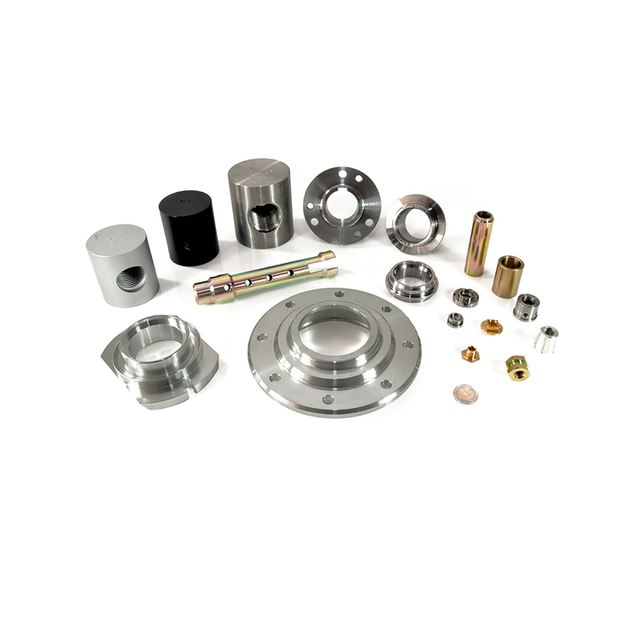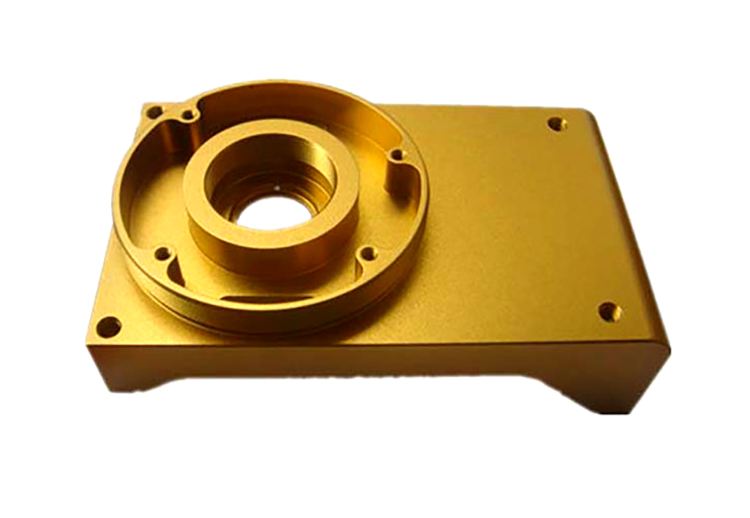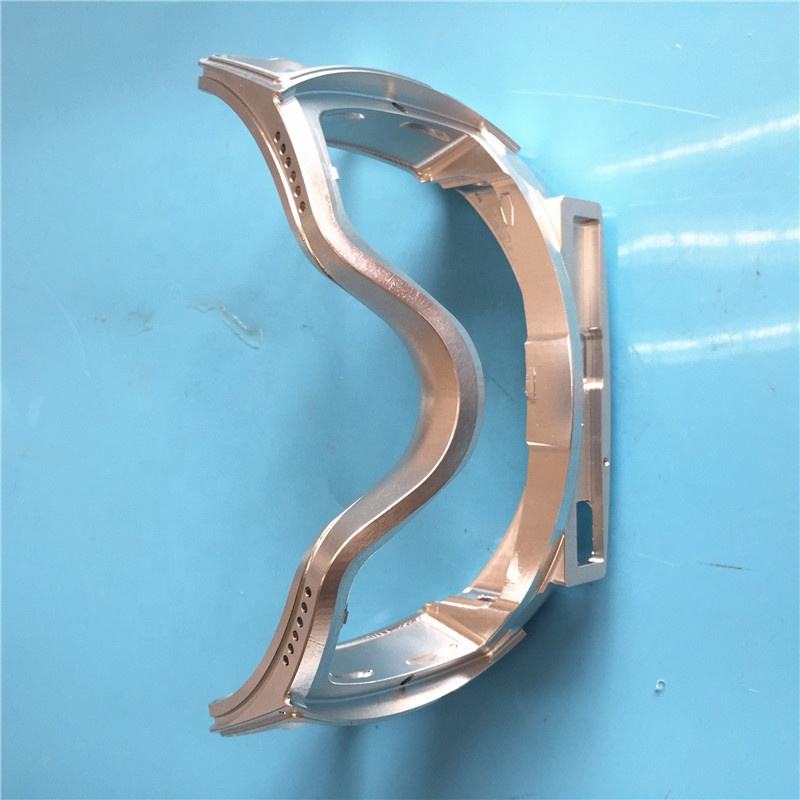
As a precision engineering specialist at PuKong CNC Machining, we understand that selecting the optimal production volume is a critical strategic decision that directly impacts cost, lead time, and supply chain agility. CNC machining, renowned for its precision, repeatability, and material versatility, serves as a cornerstone for both prototyping and production across industries. This analysis delineates the distinct characteristics, advantages, and disadvantages of Small-Volume and Mid-Volume Production within our CNC machining services.
I. Defining the Volumes
- Small-Volume Production (Bridge Production/Pilot Runs): Typically refers to batch sizes ranging from 10 to 100 parts. This tier is often used for market testing, initial product launches, creating service and replacement parts, or fulfilling orders for highly specialized, low-demand applications.
- Mid-Volume Production: Encompasses batch sizes from 100 to 10,000 parts. This range is ideal for products that have proven market validation and require steady, recurring supply without the extreme scale of high-volume automotive or consumer goods production. It often serves established B2B industries, medical device manufacturers, and the aerospace sector.
II. Small-Volume Production: Characteristics & Analysis
Characteristics:
- Agility and Flexibility: The primary hallmark. Setup and programming costs are amortized over a small number of parts, making design changes between batches economically feasible with minimal sunk cost.
- Digital Inventory (On-Demand): Parts are manufactured precisely when needed, drastically reducing costs associated with physical inventory storage, management, and risk of obsolescence.
- Minimal Initial Investment: Requires no investment in hard tooling (e.g., molds, dies). The cost is contained to programming, setup, and raw material.
- Material and Design Freedom: Batches can be run in different materials (from plastics like PEEK to aerospace aluminum like 7075 or stainless steels) without retooling costs. Complex, one-off geometries are achievable.
Advantages:
- Low Financial Risk: Ideal for validating a product in the real world without committing to the high cost of mass production tooling.
- Rapid Time-to-Market: Once the CAD model is finalized, parts can be produced immediately. There are no weeks-long lead times for mold fabrication.
- Superior Part Quality and Precision: CNC machining consistently produces parts with exceptionally tight tolerances (as low as ±0.025mm) and excellent surface finishes, suitable for end-use applications.
- Economical Customization: Perfect for producing personalized or application-specific variants of a base design.
Disadvantages:
- High Per-Part Cost: This is the most significant drawback. The fixed costs of programming and machine setup are distributed over fewer parts, resulting in a higher cost per individual unit.
- Limited Economies of Scale: The cost savings achieved by producing more units are less pronounced than in mid-volume runs.
- Production Time Inefficiency for Large Batches: While fast for setup, dedicating a CNC machine to produce thousands of parts sequentially is not time- or cost-optimal compared to automated processes.
III. Mid-Volume Production: Characteristics & Analysis
Characteristics:
- Optimized for Efficiency: The focus shifts from maximum flexibility to achieving the lowest possible per-part cost. Processes are refined for repetition and efficiency.
- Advanced Fixturing and Tooling: To reduce cycle times and increase consistency, dedicated jigs, fixtures, and multi-vise setups are often employed. This allows for machining multiple parts simultaneously or reducing manual intervention.
- Strategic Sourcing: Raw materials are often purchased in larger quantities at bulk rates, reducing the material cost component per part.
- Process Validation and Documentation: Requires rigorous First Article Inspection (FAI) and detailed process documentation to ensure consistency and quality across the entire production batch.
Advantages:
- Significantly Lower Per-Part Cost: The core advantage. The high fixed costs of programming and setup are amortized over a much larger number of units, drastically reducing the individual part price.
- High Consistency and Repeatability: Well-documented and optimized processes, once established, ensure that every part in the batch is virtually identical, which is critical for compliance in regulated industries.
- Predictable Lead Times and Supply: PuKong can plan production capacity more effectively, leading to reliable and consistent lead times for recurring orders.
- Improved Material Utilization: With larger batches, nesting software can be used more effectively to optimize the layout of parts on raw material stock, reducing waste.
Disadvantages:
- Higher Initial Commitment and Risk: Requires a larger upfront order and financial commitment. If a design flaw is found mid-batch or the market demand doesn’t materialize, the cost of obsolete inventory is much higher.
- Reduced Design Flexibility: Implementing a design change once a mid-volume run has started is costly and disruptive, often requiring halting production, re-programming, and re-setting up machines.
- Inventory Carrying Costs: Maintaining a stock of finished goods ties up capital and incurs costs for storage, insurance, and management.
- Longer Initial Lead Time: While the per-part time is lower, the total time to complete a large batch is naturally longer than for a small batch.
IV. Comparative Summary: PuKong’s Strategic Guidance
| Factor | Small-Volume Production | Mid-Volume Production |
|---|---|---|
| Volume | 10 – 100 parts | 100 – 10,000 parts |
| Cost Structure | High per-part cost, low upfront cost | Low per-part cost, higher total upfront cost |
| Flexibility | High. Easy and economical to make changes. | Low. Changes are costly and disruptive. |
| Primary Risk | Market validation risk (will it sell?) | Inventory and over-supply risk (what if it doesn’t?) |
| Lead Time | Very fast first parts, inefficient for large batches | Longer initial setup, but faster output over the full batch |
| Ideal For | Prototyping, market testing, custom parts, spare parts | Established products, recurring orders, supply chain parts |
Conclusion:
At PuKong CNC Machining, we do not believe one volume strategy is inherently superior to the other. The choice between small and mid-volume production is a strategic decision based on your product’s stage, market demand, and financial model.
- Choose Small-Volume Production for agility, risk mitigation, and custom, on-demand manufacturing.
- Choose Mid-Volume Production for cost reduction, supply stability, and scaling a validated product.
Our expertise lies in guiding you through this decision. We optimize our manufacturing strategies—from machine selection and fixturing design to material sourcing—to ensure that your project, whether a 50-unit pilot run or a 5,000-unit production order, is executed with the precision, efficiency, and competitive pricing that defines the PuKong CNC Machining standard.