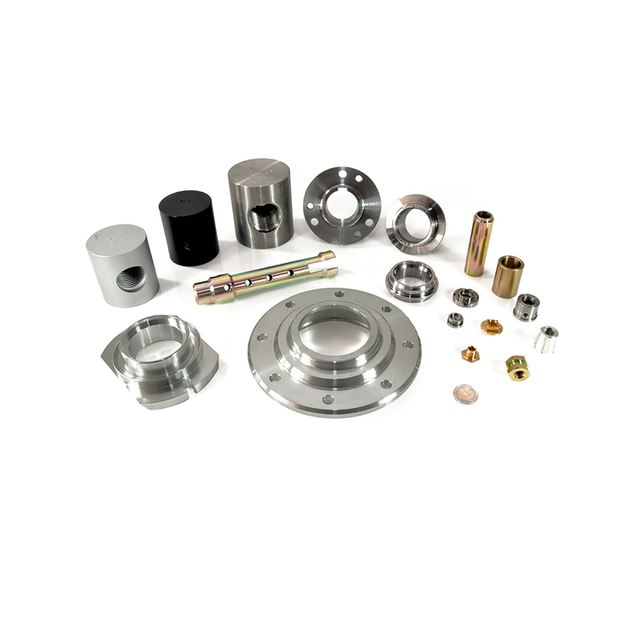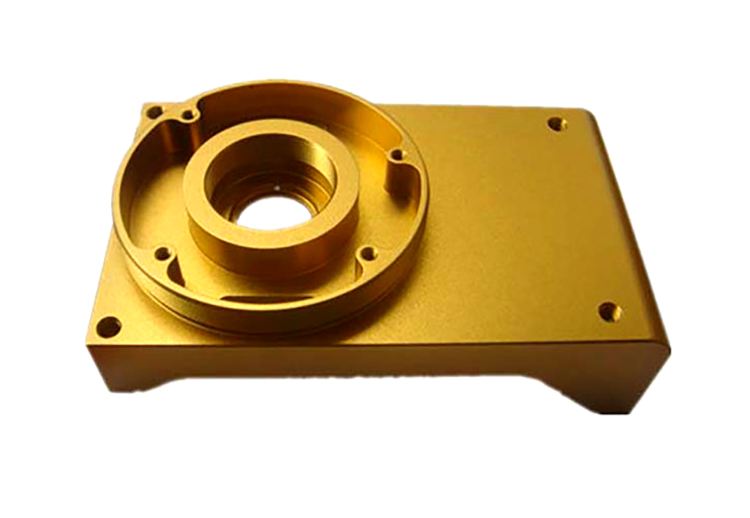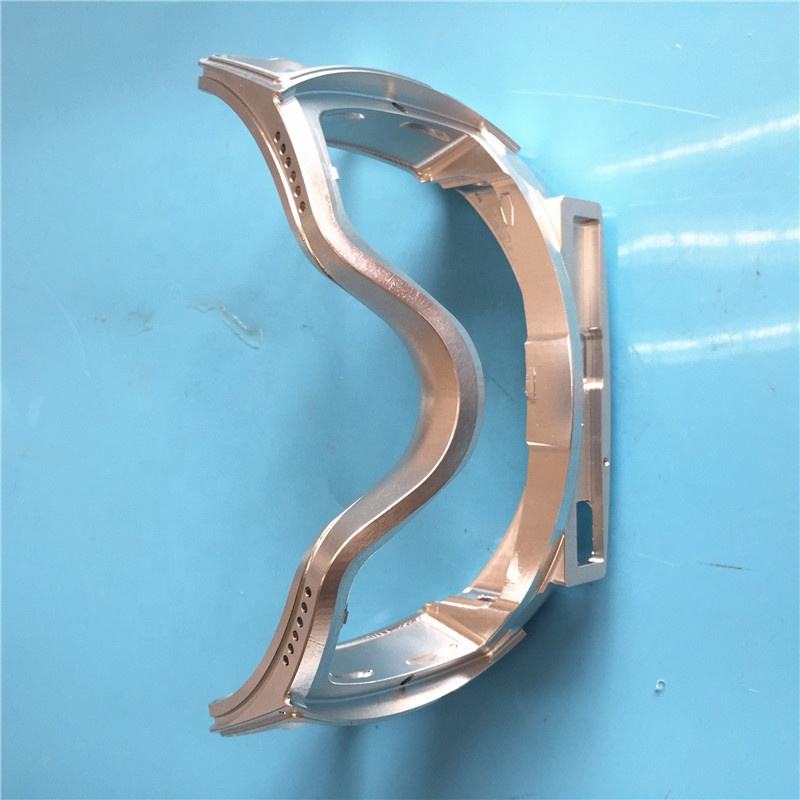
SUS316 is a molybdenum-bearing austenitic stainless steel that offers superior corrosion resistance compared to SUS304, particularly against chlorides and acidic environments. This makes it the material of choice for marine applications, chemical processing equipment, pharmaceutical, and medical implant applications. However, these same properties make it more challenging to machine.
I. Material Properties & Machinability Challenge
- Superior Corrosion Resistance: The addition of 2-3% Molybdenum significantly increases its resistance to pitting and crevice corrosion in chloride-ion environments.
- High Strength and Toughness: It maintains good mechanical properties at elevated temperatures.
- Work Hardening: This is the primary challenge. Like other austenitic stainless steels, SUS316 work-hardens rapidly during machining. The cutting tool must always be engaged in a cut with sufficient depth and feed to shear under the work-hardened layer. Dwell times or too light cuts cause immediate hardening, leading to rapid tool wear and potential part damage.
- Low Thermal Conductivity: Poor heat dissipation concentrates extreme heat at the tool-workpiece interface, accelerating tool wear.
- Abrasive Nature: The alloying elements form hard carbides within the microstructure, which are abrasive to cutting tools.
SUS316 has a machinability rating of approximately 40% (compared to 100% for free-machining steel 1212), making it slightly more difficult to machine than SUS304.
II. Detailed CNC Machining Process
Overcoming the challenges of SUS316 requires a deliberate and precise approach.
1. Tool Selection:
- Tool Material:
- Carbide (Grade): The unequivocal first choice. Use micro-grain or sub-micro-grain carbide grades for their superior hardness, wear resistance, and thermal resistance. For severe conditions, ceramic or cermet inserts can be used for roughing operations at very high speeds.
- Cobalt HSS (High-Speed Steel): Can be used for complex tools (e.g., intricate drills, taps) but will have a significantly shorter tool life than carbide.
- Tool Geometry:
- Sharp, Honed Edges: Essential for clean shearing rather than rubbing.
- Positive Rake Angles: Reduce cutting forces, heat generation, and work hardening.
- Rigid Tool Holders: Use premium, rigid holders like hydraulic chucks, shrink-fit, or precision milling chucks to minimize vibration and deflection, which are detrimental to tool life and surface finish.
- Coatings:
- PVD Coatings such as TiAlN (Titanium Aluminum Nitride) or AlCrN (Aluminum Chromium Nitride) are highly recommended. They provide a hard, thermally stable barrier that reduces crater wear and extends tool life.
2. Cutting Parameters & Strategy:
- Speed (SFM – Surface Feet per Minute): Use moderate to low cutting speeds to manage heat generation. A typical starting range for carbide tools is 80-180 SFM. Adjust based on specific operation (e.g., drilling requires lower speeds than turning).
- Feed (IPR – Inches per Revolution): Employ a high, consistent feed rate. This is critical to ensure the tool cuts ahead of the work-hardened zone created by the previous tooth. A too-slow feed rate is disastrous for tool life.
- Depth of Cut (DOC): Use a sufficiently deep DOC. A very light cut (e.g., less than 0.015″ / 0.4mm) will cause the tool to rub against the hardened surface. A DOC greater than the work-hardened layer is necessary.
- Tool Path (CAM Programming):
- Climb Milling (Down Milling) is strongly preferred for milling operations to minimize work hardening.
- Constant Tool Engagement: Program tool paths to avoid sharp directional changes and maintain a consistent chip load.
- No Dwells: The program must ensure the tool is never stationary while in contact with the workpiece.
3. Coolant and Lubrication:
- High-Pressure, High-Volume Flood Coolant is non-negotiable. It serves three vital functions:
- Cooling: Dissipates the intense heat from the cutting zone.
- Lubrication: Reduces friction between the tool and chip.
- Chip Evacuation: Washes away chips efficiently. Recutting chips is a primary cause of tool failure and poor surface finish. For through-tool coolant is highly advantageous for deep hole drilling and pocketing.
III. Quality Control (QC) for SUS316 Parts
QC must be rigorous due to the critical applications SUS316 is often used for.
- First Article Inspection (FAI): A complete dimensional inspection of the first part to verify the CNC program and setup against all drawing tolerances.
- In-Process Inspection:
- Dimensional Checks: Use calibrated instruments (micrometers, calipers, ring/plug gauges) to monitor critical dimensions at regular intervals throughout the production run. A CMM (Coordinate Measuring Machine) is used for complex geometries.
- Surface Integrity: Check for signs of tool wear, built-up edge, or work hardening on the surface, which may appear as a rough, burnished, or discolored finish.
- Visual Inspection: Check for burrs, sharp edges, scratches, and tool marks. Parts must be thoroughly deburred.
- Material Verification: For critical applications (e.g., medical, aerospace), use a PMI (Positive Material Identification) spectrometer (XRF) to chemically verify the material grade is indeed SUS316 and not a cheaper alternative like 304.
- Passivation: This is a critical post-processing step for stainless steels. The part is immersed in a nitric acid bath to remove free iron particles from the surface that were embedded during machining. This restores the full corrosion resistance of the alloy by allowing the formation of a new, continuous chromium oxide layer. This is a standard QC requirement.
IV. Important Considerations and Notes
- Work Hardening is Your #1 Enemy: The entire machining strategy revolves around mitigating this. If you must interrupt a cut, always retreat the tool from the workpiece. If you need to take a second pass, ensure the Depth of Cut is sufficient to get under the hardened layer.
- Tool Rigidity is Paramount: Any vibration or chatter will quickly destroy a tool. Ensure the workpiece is held securely in a rigid vise or fixture, and use the shortest, most robust tool possible.
- Sharp Tools are Essential: Never “push” a dull tool. Dull tools generate excessive heat and cause severe work hardening. Implement a proactive tool management program to change tools based on a predetermined life.
- Chip Formation: The ideal chip should be tightly curled and silver (or light straw) in color. blue or purple chips indicate excessive heat; long, stringy chips indicate too low a feed rate.
- Parting and Grooving: These are high-risk operations. Use specifically designed tools with strong geometries and ensure perfect tool alignment and high-pressure coolant directed precisely at the cutting edge.
By respecting the material properties of SUS316 and adhering to these precise machining strategies, parameters, and stringent quality control measures, manufacturers can reliably produce high-integrity components that meet the demanding requirements of its applications.