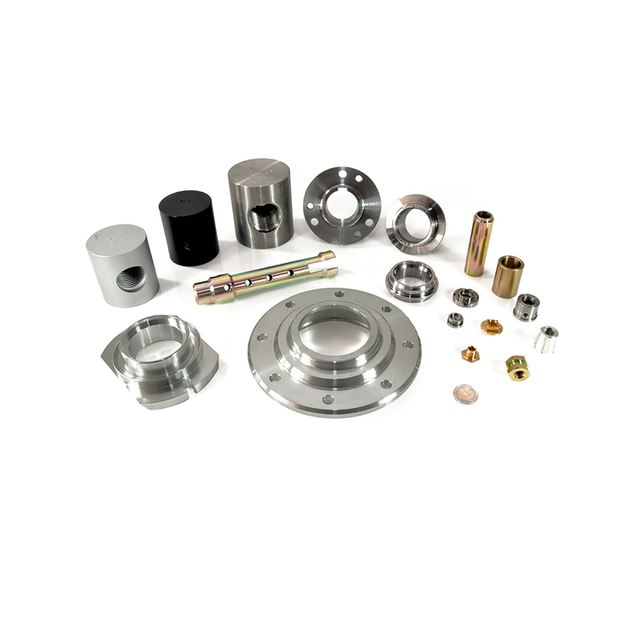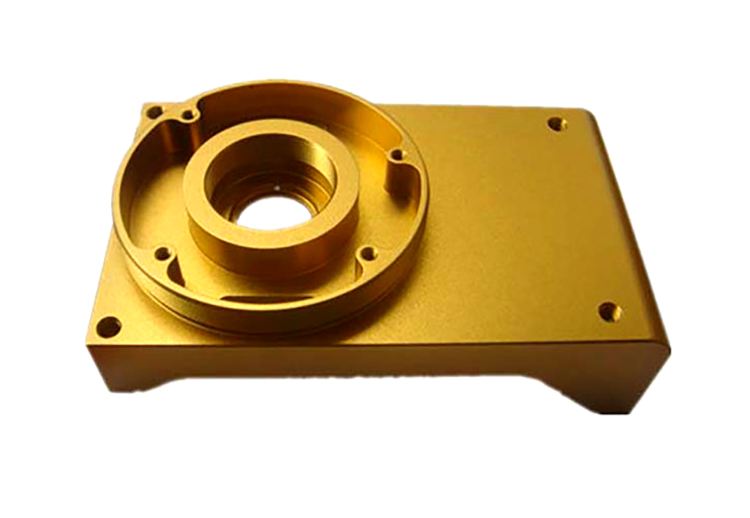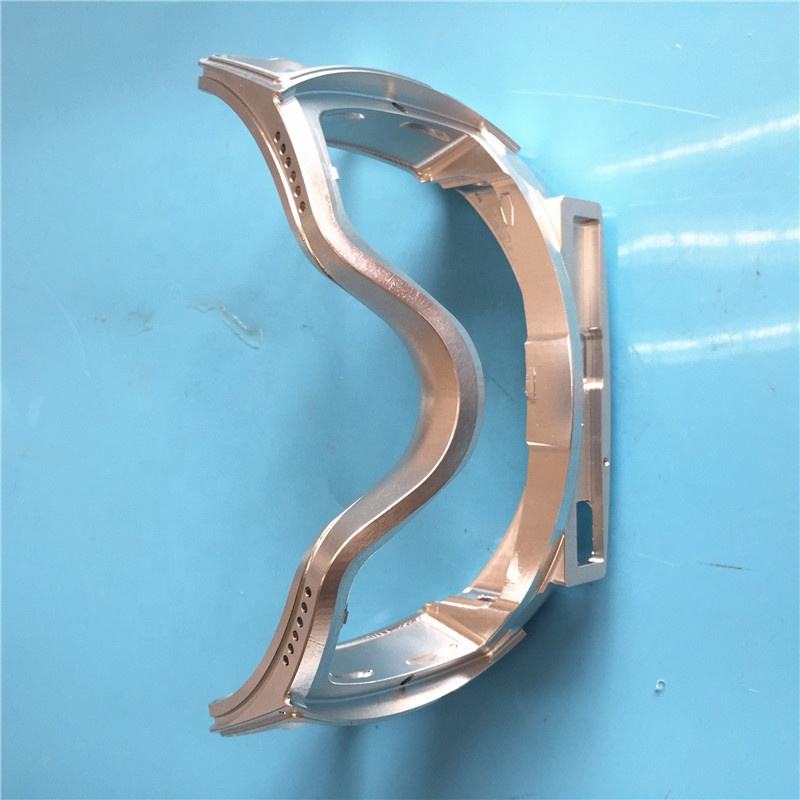
SUS304 is one of the most common and versatile austenitic stainless steels, widely used in industries ranging from aerospace and automotive to food processing and medical devices due to its excellent corrosion resistance, good formability, and toughness.
I. Material Properties & Machinability Challenge
- Excellent Corrosion Resistance: Due to its high chromium (18-20%) and nickel (8-10.5%) content.
- High Toughness and Ductility: This is the primary challenge for machining. The material is “gummy” and has a strong tendency to work-harden.
- Work Hardening: During machining, the surface of SUS304 can harden significantly due to the heat and pressure generated by the cutting tool. This can lead to:
- Rapid tool wear and failure.
- Poor surface finish if parameters are incorrect.
- Difficulty in making subsequent cuts if the tool dwells on the hardened surface.
Its machinability rating is typically around 45% (compared to 100% for free-machining steel 1212), meaning it is more difficult to machine than standard carbon steels.
II. Detailed CNC Machining Process
The process requires specific strategies to overcome the challenges of work hardening and tool wear.
1. Design & Programming (CAM):
- Tool Path Strategy: Use climb milling (down milling) whenever possible. This allows the cutter to engage with the material at its maximum thickness and exit at zero, shearing the chip away cleanly. This reduces heat generation and work hardening compared to conventional milling.
- Constant Engagement: CAM programs should be optimized to maintain a constant tool engagement, avoiding situations where the tool rubs instead of cuts (which causes rapid work hardening).
- Avoid Dwells: The tool path must ensure the cutting tool never dwells or pauses on the part surface, as this will instantly work-harden the spot.
2. Tool Selection:
- Tool Material:
- Carbide (Solid or Indexable Inserts): The standard and best choice. Carbide’s hardness and heat resistance are essential for machining SUS304.
- Cobalt HSS (High-Speed Steel): Can be used for drills, taps, and complex tools where carbide is too brittle, but tool life will be shorter.
- Tool Geometry:
- Sharp Cutting Edges: Tools must be sharp to cut cleanly rather than rub.
- Positive Rake Angles: Facilitate a shearing cut, reducing cutting forces and heat.
- Reinforced Tool Core: Tools must be rigid to resist deflection and vibration.
- Coatings:
- PVD (Physical Vapor Deposition) Coatings like TiAlN (Titanium Aluminum Nitride) or AlCrN (Aluminum Chromium Nitride) are highly recommended. They provide extreme surface hardness and heat resistance, reducing friction and protecting the tool from the high heat generated.
3. Cutting Parameters:
- Speed (SFM – Surface Feet per Minute): A moderate surface speed is critical. Too slow causes rubbing and work hardening; too fast generates excessive heat and rapid tool wear. A typical starting range is 100-250 SFM for carbide tools.
- Feed (IPR – Inches per Revolution): Use a high enough feed rate. A light, slow feed allows the tool to dwell and rub on the material, promoting work hardening. The feed should be high enough to ensure the cutter is always cutting under the previously work-hardened layer.
- Depth of Cut (DOC): Use a sufficiently deep depth of cut. A very light DOC (e.g., less than 0.1mm) can cause the tool to cut only in the work-hardened layer, leading to immediate wear. A recommended DOC is typically > 0.5mm for finishing and more for roughing.
4. Coolant and Lubrication:
- High-Pressure Flood Coolant is essential. It serves three critical functions:
- Cooling: Dissipates the intense heat generated at the cutting zone.
- Lubrication: Reduces friction between the tool, chip, and workpiece.
- Chip Evacuation: Washes away chips, preventing them from being re-cut, which can damage the tool and the part’s surface finish.
III. Quality Control (QC)
Rigorous QC is vital to ensure parts meet stringent specifications, especially for critical applications.
- First Article Inspection (FAI): A comprehensive inspection of the first part off the machine to verify the program and setup against all drawing dimensions.
- In-Process Inspection:
- Dimensional Checks: Use calibrated micrometers, calipers, bore gauges, and CMM (Coordinate Measuring Machine) for complex geometries to check critical dimensions at regular intervals.
- Surface Finish Check: Use a surface roughness tester (e.g., Profilometer) to measure Ra (Average Roughness) or Rz values to ensure they meet specifications.
- Visual Inspection:
- Check for visible tool marks, burns, burrs, or scratches.
- Verify the integrity of sharp edges and corners.
- Material Verification: For high-integrity applications, a PMI (Positive Material Identification) gun (XRF analyzer) is used to verify the raw material is indeed SUS304 and not a different grade.
- Deburring: All parts must be thoroughly deburred. Sharp edges are a safety hazard and can initiate cracking under stress.
IV. Important Considerations and Notes
- Work Hardening: This is the single biggest challenge. Always respect the material. If you need to re-cut a feature, adjust the parameters to ensure you are cutting under the hardened layer (increase DOC).
- Tool Rigidity: The entire system must be rigid—the machine, tool holder (e.g., hydraulic or shrink-fit are excellent), tool, and workpiece setup. Vibration (chatter) is the enemy of tool life and surface finish.
- Chip Control: The chips should be continuous and silverish. If the chips are short and purple/blue, it indicates excessive heat. If they are long and stringy, it may indicate too slow a feed rate.
- Sharp Tools: Never use a dull tool. A worn tool will generate extreme heat and massively work-harden the surface, making it nearly impossible for the next tool to cut. Change tools proactively based on recommended tool life data.
- Parting Off (Turning): This is particularly difficult. Use a specifically designed parting tool with strong insert geometry and ensure perfect alignment and high, consistent coolant flow.
By understanding the properties of SUS304 and adhering to these precise machining strategies, parameters, and quality control measures, manufacturers can successfully produce high-precision, high-quality components from this challenging but invaluable material.