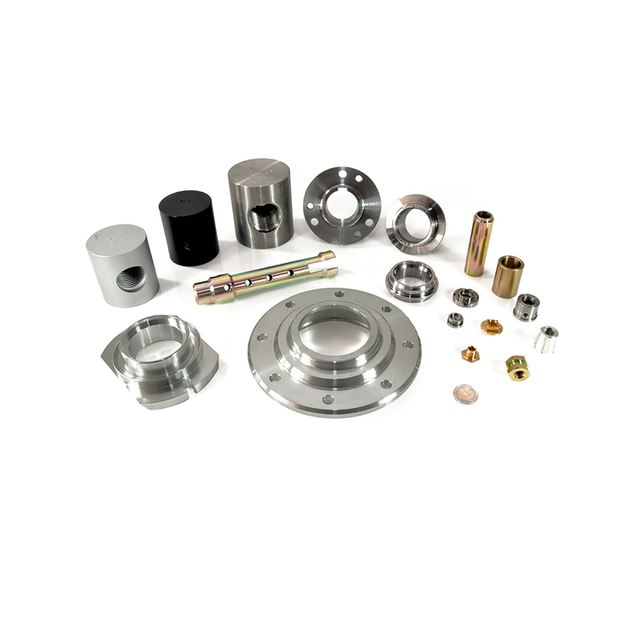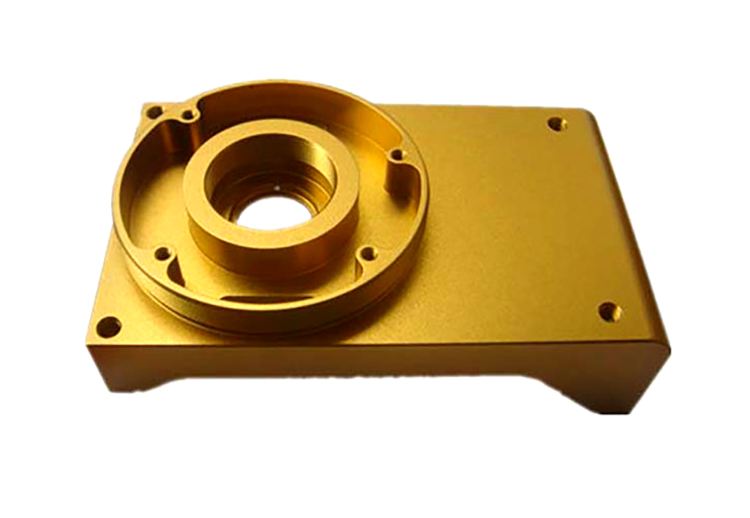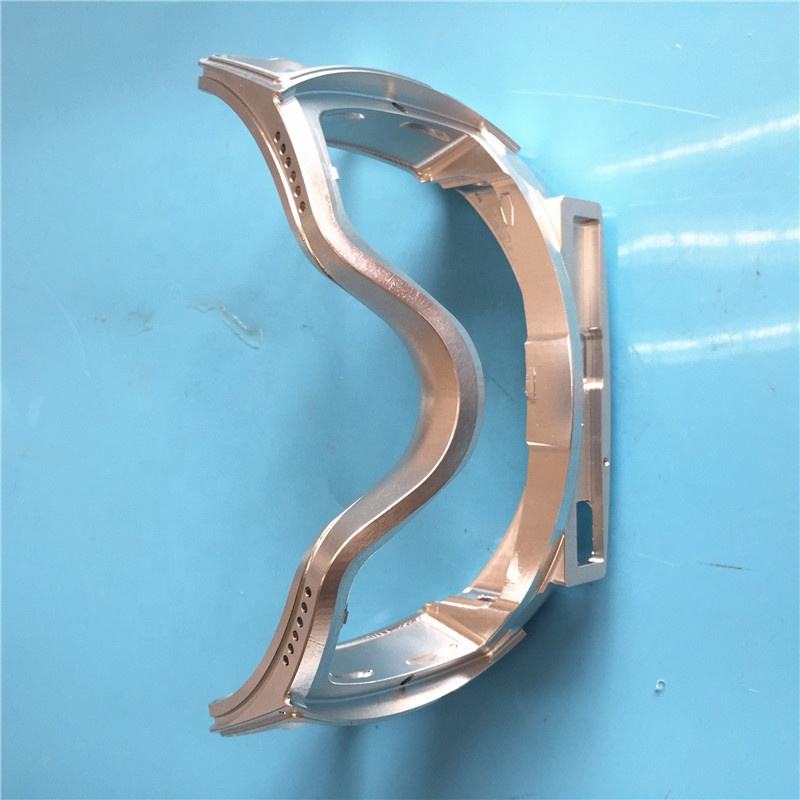
Calculating the true cost of a CNC machined part is essential for manufacturers to price their services competitively, ensure profitability, and identify areas for efficiency improvement. The total cost is a sum of both Direct Costs (easily traceable to a specific part) and Indirect Costs (overhead shared across all projects).
Here is a breakdown of the key cost components:
1. Machine Cost / Hourly Rate (The Foundation)
This is often the starting point and combines several fixed and variable costs into a single hourly rate for the machine. The formula is:
Machine Hourly Rate = (Machine Depreciation + Machine Operation Cost + Overhead Allocation) / Available Machine Hours per Year
- Machine Depreciation: The cost of the machine is spread over its useful life (e.g., 5-10 years).
- Calculation: (Purchase Cost – Residual Value) / Useful Life (in years). This gives an annual depreciation cost, which is then divided by annual machine hours to get an hourly rate.
- Machine Operation Cost: This includes electricity to run the CNC machine, coolant, lubricants, and routine maintenance.
2. Direct Material Cost
This is the cost of the raw material (billet, bar stock, plate) required to produce the part.
- Calculation: (Volume of Raw Material Needed × Material Density × Cost per unit weight)
- Crucial Consideration – Waste (Kerf): You must account for the material lost during machining (chips, scrap). The starting raw material is always larger than the final part. The Material Utilization Rate is key:
- Utilization Rate = Final Part Volume / Raw Material Volume
- A low rate means high waste and higher effective material cost.
- Scrap Value (Credit): The leftover material (chips, off-cuts) can often be sold to recyclers. This provides a small credit that reduces the total material cost.
- Net Material Cost = Gross Material Cost – Scrap Resale Value
3. Machining Time Cost (The Core Variable)
This is the cost of the time the machine is actively working on your part. It is the most significant variable cost.
- Calculation: Total Machining Time (hours) × Machine Hourly Rate
- Machining Time is influenced by:
- Programming & Setup Time: One-time cost for programming the CNC path and setting up the machine (fixturing, loading tools).
- Cycle Time: The time for the machine to complete all operations for one part (cutting, drilling, tapping). This depends on the part’s complexity, tolerances, and the chosen cutting speeds/feeds.
4. Tooling Cost (Cutting Tools)
Cutting tools (end mills, drills, inserts) wear out and need replacement. This cost can be significant for hard materials or complex parts.
- Calculation:Tool Cost per Part = (Tool Price / Total Tool Life) × Tool Usage Time per Part
- Example: A $50 end mill lasts 10 hours. It is used for 0.5 hours per part. Tool cost per part = ($50 / 10 hrs) * 0.5 hrs = $2.50 per part.
5. Labor Cost
This is the cost of the human operators required to run the process.
- Direct Labor: The cost of the operator for setup, loading/unloading parts, and in-process inspection. With modern CNC systems, one operator can often manage multiple machines.
- Indirect Labor: The cost of programmers, engineers, and quality control personnel who support the machining process. This is often allocated as an overhead cost.
6. Overhead Costs (Indirect Costs)
These are the necessary costs of running the business that cannot be directly tied to one part. They are allocated across all jobs.
- Facility Costs: Rent/mortgage, property taxes, building insurance, and utilities (lights, heating/cooling for the entire factory).
- Administrative Costs: Salaries for management, sales, and administrative staff.
- Other Overheads: Software licenses (CAD/CAM), insurance, taxes.
Overhead is typically applied as a percentage of the direct labor cost or the machine hourly rate. For example, if total annual overhead is $200,000 and total annual direct labor is $100,000, the overhead rate would be 200%.
7. Post-Processing Cost
Any required finishing operations after the primary machining.
- Examples: Deburring, sandblasting, anodizing, painting, heat treatment, plating.
- Calculation: These are often quoted by specialized vendors or calculated based on an internal hourly rate for the post-processing step.
Putting It All Together: A Sample Cost Calculation
Let’s calculate the cost for a simple aluminum part.
Assumptions:
- Machine Hourly Rate: $75/hour (already includes depreciation, power, and a portion of overhead)
- Material Cost: $5 per part
- Scrap Credit: -$0.50 per part
- Tooling Cost: $3 per part
- Labor Cost: $25 per hour (operator)
- Overhead Rate: 150% of Labor Cost
Job Details:
- Batch Quantity: 50 parts
- Setup/Programming Time: 1 hour (one-time for the batch)
- Cycle Time per Part: 0.5 hours
Cost Calculation:
- Total Machine Time Cost:
- Setup Time: 1 hour × $75/hr = $75
- Machining Time: 50 parts × 0.5 hrs/part × $75/hr = $1,875
- Total Machine Cost = $75 + $1,875 = $1,950
- Total Material Cost (Net):
- (50 parts × $5/part) – (50 parts × $0.50 scrap credit) = $250 – $25 = $225
- Total Tooling Cost:
- 50 parts × $3/part = $150
- Total Labor Cost:
- Total Labor Time = 1 hr setup + (50 parts × 0.1 hrs/part monitoring/loading) = 6 hours
- Total Labor Cost = 6 hrs × $25/hr = $150
- Applied Overhead:
- Overhead = 150% of Labor Cost = 1.5 × $150 = $225
- Total Cost for the Batch:
- Total Cost = Machine Cost + Material Cost + Tooling Cost + Labor Cost + Overhead
- Total Cost = $1,950 + $225 + $150 + $150 + $225 = $2,700
- Cost Per Part:
- Cost Per Part = $2,700 / 50 parts = $54
Conclusion
A thorough CNC machining cost analysis requires a systematic approach that accounts for both direct expenses like material and tooling, and indirect costs like depreciation and overhead. By accurately calculating each component, including the potential credit from scrap resale, a business can create accurate quotes, manage profitability, and make informed decisions to optimize their manufacturing processes. Modern manufacturing often uses ERP (Enterprise Resource Planning) and MES (Manufacturing Execution Systems) software to track these metrics automatically and with high precision.