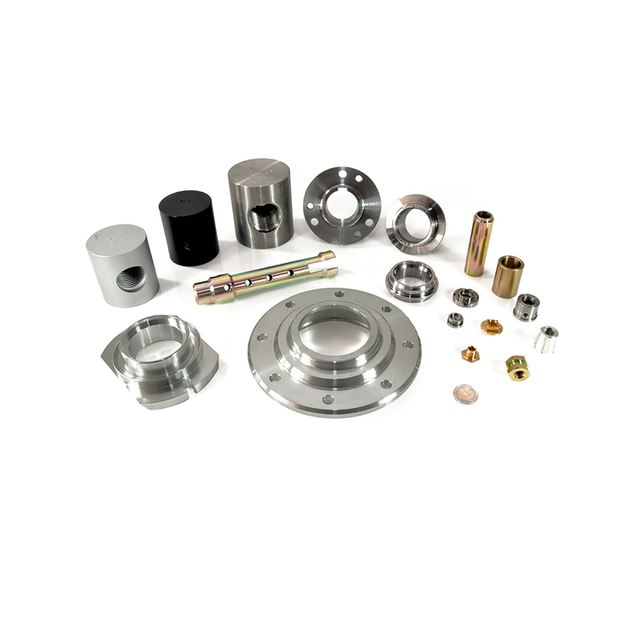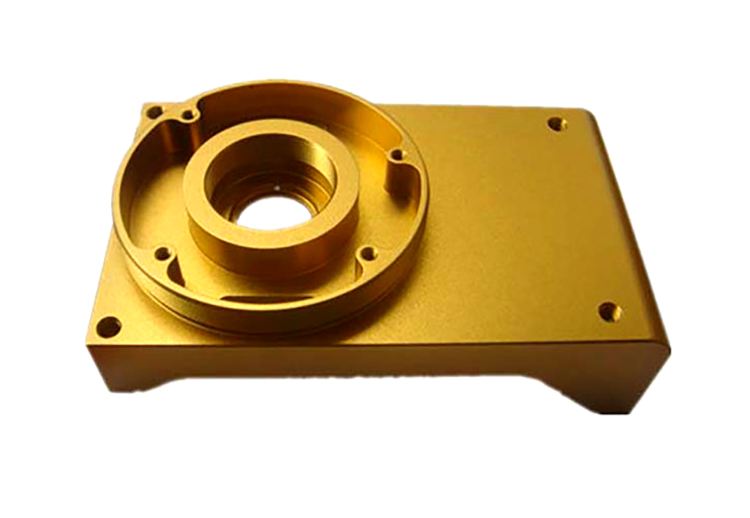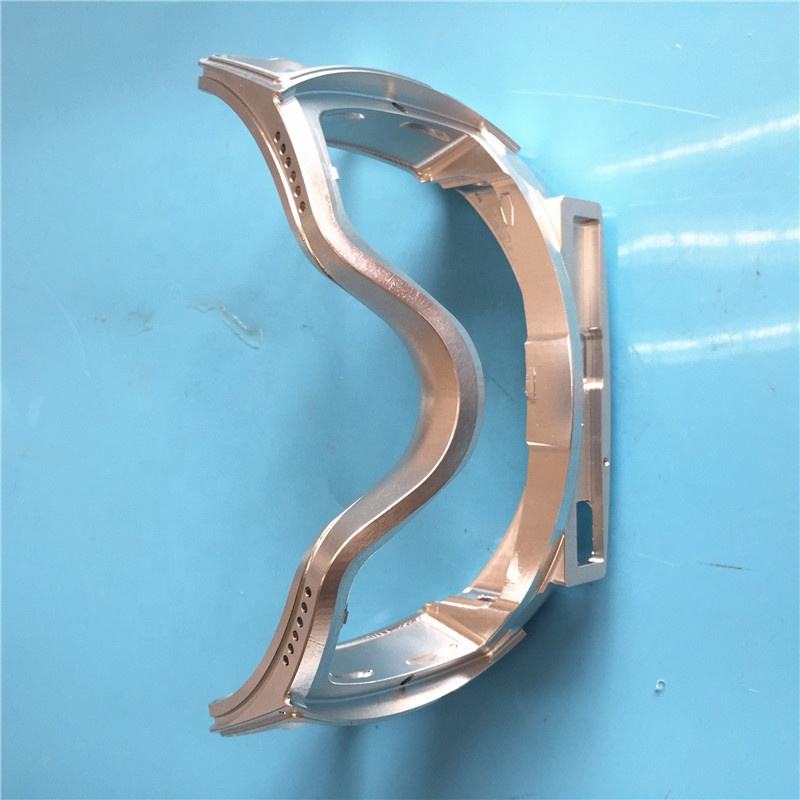
Lead times can vary significantly based on part complexity, quantity, and supplier capacity. Generally, China offers a very competitive turnaround.
1. Standard Lead Times:
- Prototyping (1-50 pcs): Typically 3-7 business days after finalizing the design and payment. This is for standard materials like aluminum or brass.
- Low-Volume Production (50-1,000 pcs): Typically 1-3 weeks. This depends on the production schedule and the mix of parts.
2. “Fastest Possible” Lead Times (Expedited Service):
Many Chinese machine shops offer “expedited” or “rush” services for a premium. The absolute fastest timelines are:
- “Super Rush” Service: Can be as fast as 24 to 48 hours for simple, small-batch prototypes in a readily available material like Aluminum 6061.
- What this entails: The supplier will prioritize your job, potentially running it on a dedicated machine, working multiple shifts, and expediting all internal processes (programming, QC). Post-processing (e.g., anodizing) might be limited to a basic level or skipped.
Factors Affecting the “Fastest” Timeline:
- Material Availability: If the supplier has the raw material in stock, it saves 1-2 days.
- Part Complexity: Simple parts with 2.5-axis machining are much faster than complex 5-axis parts.
- Quantity: A single prototype is faster than a batch of 100.
- Post-Processing: Anodizing, heat treatment, or other surface finishes add time (often 2-4 days).
How to Get Your Supplier to Deliver at the Fastest Possible Lead Time
Securing the fastest delivery requires proactive communication, good planning, and sometimes a willingness to pay more. Here are the key methods:
1. During the Quoting & Design Stage:
- Design for Manufacturability (DFM): Submit a clean, well-designed 3D model and drawing with standard features (like common hole sizes and internal radii). A design that is easy to program and machine gets started faster.
- Ask About Expedited Options Upfront: Clearly state your required timeline during the initial inquiry. Ask: “What is your absolute fastest lead time for this part, and what are the cost implications?”
- Choose a Standard, In-Stock Material: Specify common materials like Aluminum 6061 or Delrin (POM), which are almost always in stock. Exotic materials (e.g., titanium, specific stainless steels) cause delays.
2. Communication and Relationship:
- Be a Valued and Clear Customer: Provide all necessary information in one go—complete drawings, technical specs, quality requirements, and a clear Purchase Order. Avoid back-and-forth clarifications, which kill time.
- Build a Relationship: If you plan on repeated business, tell the supplier. They are more likely to prioritize a loyal customer over a one-time order.
- Assign a Single Point of Contact: Have one person from your side responsible for all communication to prevent mixed messages and delays.
3. Logistics and Process Optimization:
- Offer to Pay a Rush Fee: This is the most direct method. Be prepared to pay a premium (e.g., 20-50% or more) for the supplier to overtime, prioritize your job, and disrupt their scheduled workflow.
- Simplify the Supply Chain:
- Provide Raw Material: If you have a specific, hard-to-find material, you can source and send it to the supplier to save them procurement time.
- Handle Logistics Yourself: Propose that you will arrange and pay for the courier (like DHL/FedEx) pickup. This allows you to control the final shipping step and ensures the package leaves the factory the moment it’s ready.
- Split Operations (For Complex Parts): For parts requiring long post-processing, ask if some operations can be done in parallel. For example, can they ship a partial quantity first via air freight while the rest is being anodized?
4. Supplier Selection:
- Choose a “Quick-Turn” Specialist: Some Chinese machine shops explicitly market themselves as specializing in rapid prototyping and low-volume quick-turn production. Their entire operation is optimized for speed.
- Verify Their Capability: Ensure they have multiple machines and are not a small workshop with a single CNC that could break down and halt your project.
Summary for the Client:
To get the fastest delivery from a Chinese CNC machining supplier:
- Design it simply and use common materials.
- Communicate your deadline clearly and early.
- Be organized and provide perfect data from the start.
- Be prepared to pay a premium for the “rush” service.
- Consider controlling the final logistics (shipping) to save a day.
By following this approach, you can realistically expect to receive high-quality CNC machined parts from China in as little as 2-3 days for prototypes.