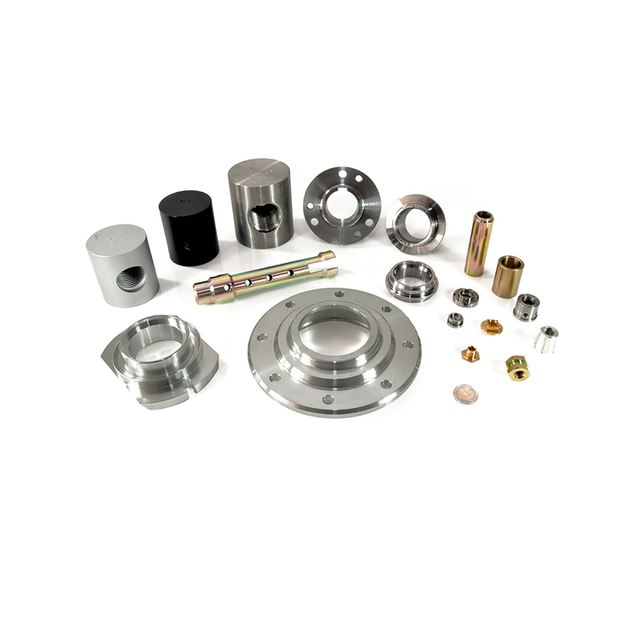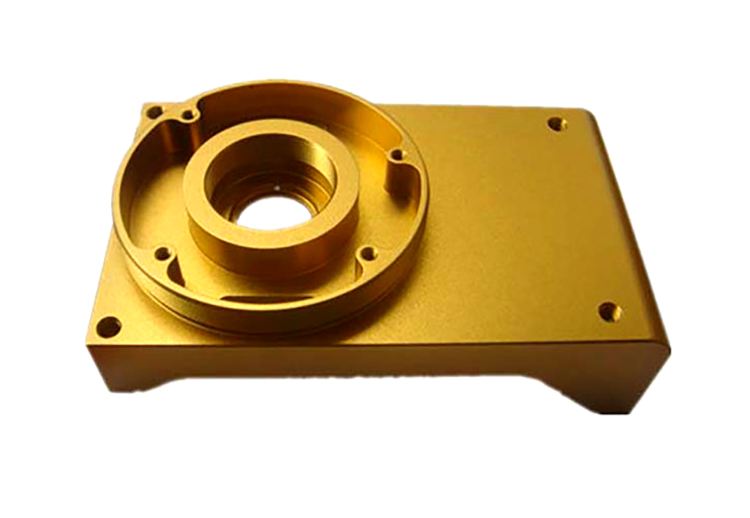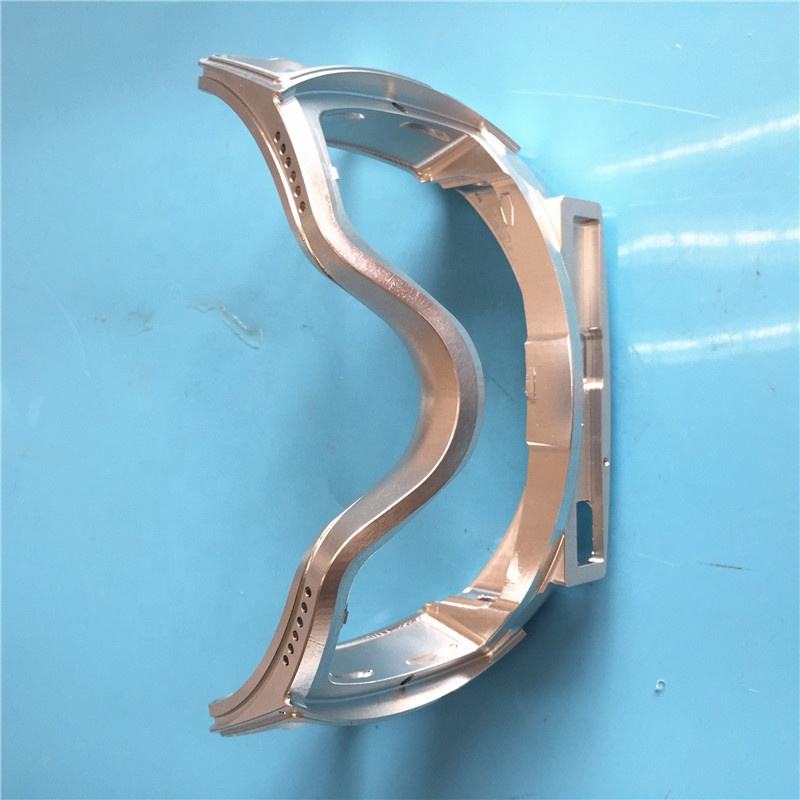
The CNC machining of ceramic materials represents the pinnacle of precision manufacturing, combining advanced machinery with exceptionally hard and durable materials. Ceramics offer a unique set of properties—including extreme hardness, excellent wear resistance, and stability in high-temperature and corrosive environments—that make them indispensable for demanding applications in aerospace, medical, semiconductor, and industrial sectors. However, their inherent brittleness and hardness also make them one of the most challenging material families to machine. This requires specialized processes, tools, and expertise.
CNC Machining Methods for Ceramics
Unlike metals or plastics, ceramics cannot be machined using conventional cutting tools. Their extreme hardness necessitates the use of even harder tools and often non-traditional methods.
- Diamond Grinding: This is the most common method for machining advanced ceramics. CNC grinding machines, equipped with diamond-impregnated wheels or tools, are used to abrasively remove material. Diamond, being the hardest known material, is the only abrasive capable of effectively cutting technical ceramics. The process involves:
- Surface Grinding: For achieving flat surfaces and tight dimensional tolerances.
- Creep-Feed Grinding: A slower, deeper cut method used for high material removal rates with less thermal damage.
- CNC Milling/Grinding: Using diamond-coated or polycrystalline diamond (PCD) end mills on modified high-stiffness CNC machining centers. This is more common for prototyping and simpler geometries.
- Dicing and Sawing: Diamond-coated blades are used to cut ceramic substrates and wafers into smaller pieces with precise dimensions.
- Drilling and Boring: For creating holes, diamond core drills or ultrasonic-assisted machining are employed. Ultrasonic machining (USM) uses a high-frequency vibrating tool coated with abrasive slurry to erode the material, which is highly effective for brittle ceramics without inducing thermal stress.
- Lapping and Polishing: These are finishing processes used after primary machining to achieve ultra-fine surface finishes (Ra < 0.1 µm) and extremely tight tolerances. They use progressively finer abrasive slurries on a rotating lap plate.
Critical to all these processes is the use of high-pressure coolant to manage the immense heat generated, prevent thermal cracking, and flush away abrasive debris.
Types of Ceramics, Their Properties, and Applications
The term “ceramics” encompasses a wide range of materials, but the following are most prevalent in precision CNC machining.
| Ceramic Type | Key Physical Properties | Typical Applications & Use Environments | Price Relative to Alumina |
|---|---|---|---|
| Alumina (Al₂O₃) | High hardness & wear resistance, good electrical insulation, high compressive strength, moderate thermal conductivity, brittle. | Electrical insulators, wear plates, pump seals, laboratory equipment, laser tubes. Used in high-temp, abrasive, and electrically isolating environments. | Low (Baseline) |
| Zirconia (ZrO₂) | Exceptional fracture toughness (highest among ceramics), high strength, low thermal conductivity, biocompatible, wear-resistant. | Medical implants (hip joints, dental crowns), precision bearings, cutting tools, valve seats. Used where impact resistance and strength are critical. | Medium (2x – 3x) |
| Silicon Nitride (Si₃N₄) | Exceptional thermal shock resistance, high strength at high temperatures, low density, good fracture toughness, self-lubricating. | Automotive turbocharger rotors, ball bearings, cutting tools, metal forming rolls. Used in high-temperature, high-stress environments like aerospace and engines. | High (4x – 6x) |
| Silicon Carbide (SiC) | Extreme hardness (among the hardest ceramics), highest thermal conductivity, excellent chemical resistance, high stiffness. | Mirror substrates for astronomy, wear-resistant nozzles and seals, armor plates, semiconductor process equipment. Used in extreme abrasive, thermal, and chemical environments. | High (4x – 5x) |
| Macor | Machinable with standard carbide tools, good electrical insulation, vacuum-tight, high-temperature stability. | Precision prototypes, vacuum system components, electrical insulators, sample holders. Used for complex R&D and prototype parts where diamond grinding cost is prohibitive. | Premium (5x – 10x) |
Achievable Tolerances
Holding tolerances with ceramics is a testament to a machine shop’s capability. The brittle nature of the material means that aggressive cuts can cause chipping or micro-cracking.
- Standard Machining Tolerances: For many applications, standard diamond grinding can hold tolerances of ±0.025 mm (±0.001″).
- High-Precision Tolerances: With state-of-the-art CNC grinding and lapping, tolerances can be held to ±0.005 mm (±0.0002″) or even tighter on critical dimensions.
- Surface Finish: Standard machining can achieve an Ra of 0.4 – 0.8 µm. Through lapping and polishing, this can be improved to a mirror finish with an Ra as low as 0.01 µm.
Price Structure and Drivers
The cost of CNC machined ceramic parts is significantly higher than their metal or plastic counterparts. This is driven by several factors:
- Raw Material Cost: The powder processing and high-temperature sintering required to create ceramic blanks are energy-intensive, making the raw material expensive. Macor is particularly costly due to its specialized composition that enables machinability.
- Tooling Wear: The abrasive nature of ceramics causes rapid wear of diamond tools. Tools must be frequently dressed (trued) and replaced, adding substantial cost.
- Machining Time: The process of grinding away ceramic material is inherently slow compared to metal cutting. Complex parts can require many hours of machine time.
- Specialized Equipment and Expertise: CNC grinding machines capable of handling ceramics are expensive and require highly skilled operators to program and run them effectively.
- Secondary Processing: Many parts require lapping, polishing, or even laser machining to meet final specs, adding more steps and cost.
In summary, the selection of a ceramic for a CNC machining project is a complex trade-off between performance requirements and budget. Alumina offers a cost-effective solution for wear and electrical applications, while Zirconia provides superior strength for mechanical components. Silicon Nitride and Silicon Carbide are chosen for the most extreme thermal and structural environments, and Macor provides unparalleled design flexibility for low-volume complex prototypes, albeit at a premium price. Understanding this landscape is key to successfully implementing ceramic components in advanced technology systems.