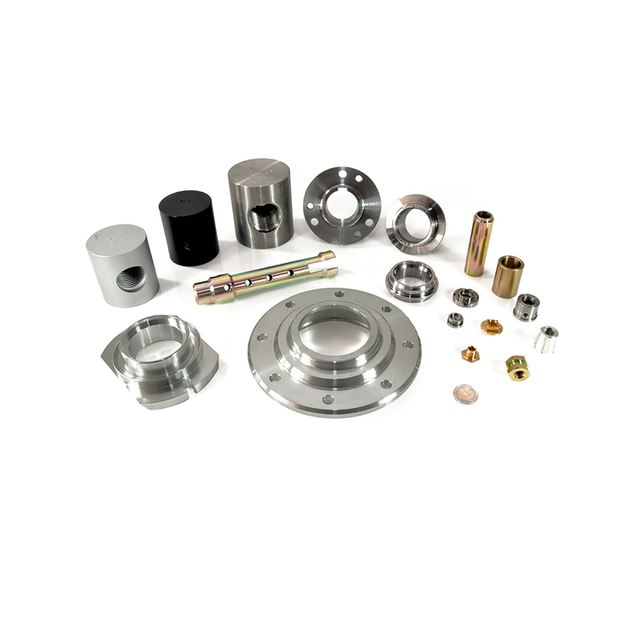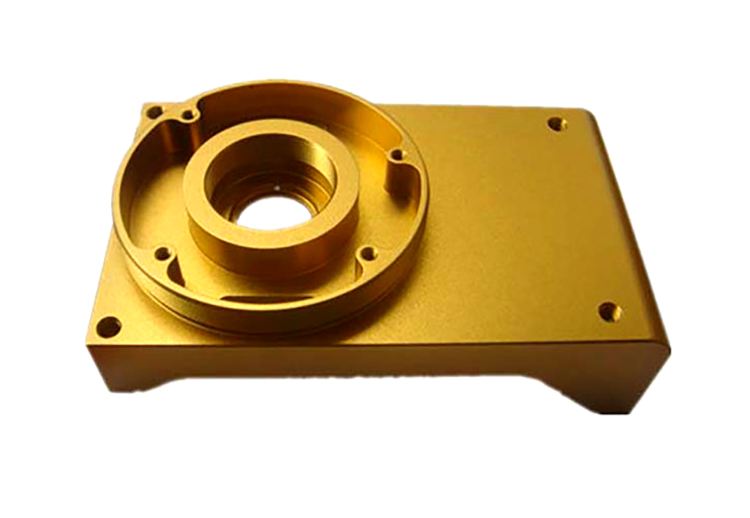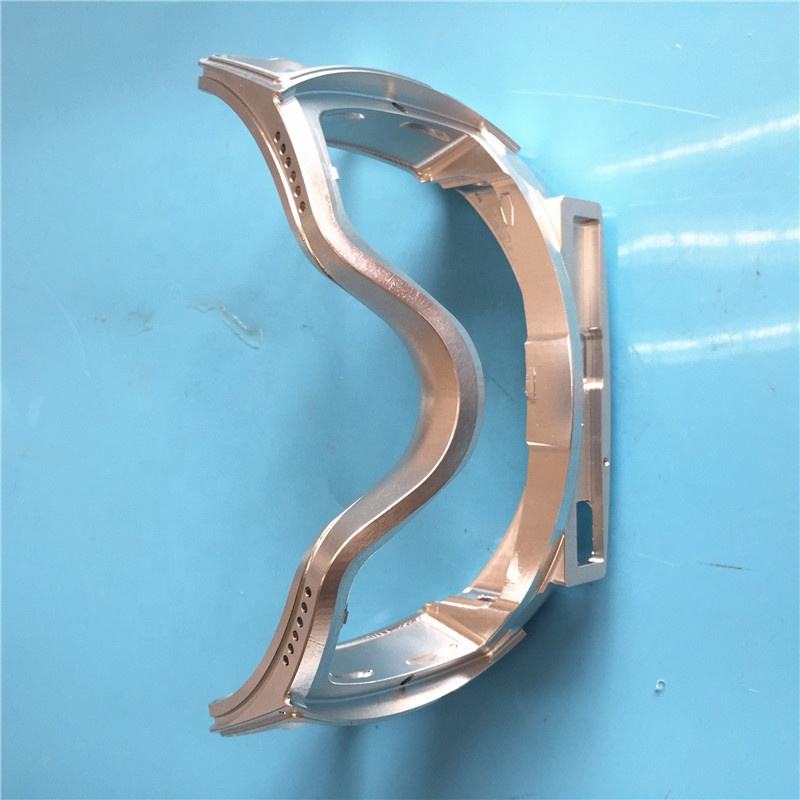
In CNC machining, post-processing of metal parts is critical for achieving desired mechanical properties, dimensional stability, and surface quality. Key processes include heat treatment (e.g., normalizing, tempering, quenching) and surface finishing. Below is a detailed overview of these methods, their procedures, durations, and considerations.
1. Heat Treatment Methods
Heat treatment involves controlled heating and cooling to modify a metal’s microstructure and properties.
Normalizing
- Process:
- Heat the metal to approximately 50–100°C above its upper critical temperature (e.g., 870–950°C for medium-carbon steel).
- Hold at this temperature for 30–60 minutes to ensure uniform heating.
- Cool in still air (not forced air) to room temperature.
- Purpose: Refines grain structure, improves mechanical properties (e.g., toughness, strength), and reduces internal stresses.
- Typical Applications: Carbon and low-alloy steels before hardening or to enhance machinability.
- Duration: Heating and holding take 1–2 hours, while cooling may take several hours depending on part size.
Quenching
- Process:
- Heat the metal to its austenitizing temperature (e.g., 800–900°C for steel).
- Hold for 15–30 minutes to achieve a uniform structure.
- Rapidly cool in a quenching medium (e.g., water, oil, or polymer). Water provides aggressive cooling; oil is slower and reduces cracking risk.
- Purpose: Forms martensite to maximize hardness and strength.
- Challenges: May cause distortion or cracking due to thermal stress.
- Duration: Heating and holding take 30–60 minutes; cooling occurs in seconds to minutes.
Tempering
- Process:
- Reheat quenched parts to a specific temperature (150–650°C) based on desired properties.
- Hold for 1–2 hours to allow microstructural changes (e.g., martensite transformation to tempered martensite).
- Cool slowly in air or furnace.
- Purpose: Reduces brittleness, relieves stresses, and improves toughness while retaining hardness.
- Applications: Essential for tool steels, shafts, and gears.
- Duration: 1–3 hours for heating and holding, plus cooling time.
2. Surface Finishing Methods
Surface treatments enhance corrosion resistance, wear resistance, and aesthetics.
- Anodizing (For Aluminum):
- Forms a protective oxide layer via electrolytic passivation.
- Process: Immersion in acid electrolyte (e.g., sulfuric acid) at 15–25°C for 30–60 minutes under electrical current.
- Note: Sealing in hot water or dyes improves corrosion resistance and color retention.
- Plating (e.g., Nickel, Chrome, Zinc):
- Electroplating deposits a metal layer on the substrate.
- Process: Pre-cleaning, acid activation, plating (e.g., nickel plating at 45–65°C for 10–30 minutes), and post-treatment (e.g., chromate coating for zinc).
- Consideration: Risk of hydrogen embrittlement in high-strength steels; requires baking at 190–230°C for 3–24 hours.
- Passivation (For Stainless Steel):
- Removes free iron and enhances chromium oxide layer.
- Process: Immersion in nitric or citric acid solution at 20–50°C for 20–60 minutes.
- Note: Must follow machining or heat treatment to avoid contamination.
- Powder Coating:
- Applies a dry polymer powder electrostatically, cured at 150–200°C for 10–30 minutes.
- Precondition: Parts require abrasive blasting and chemical pre-treatment (e.g., phosphating).
- Shot Peening:
- Bombards the surface with small media (e.g., glass beads) to induce compressive stresses.
- Process: 5–30 minutes of peening followed by inspection.
- Application: Improves fatigue resistance in aerospace and automotive components.
3. Key Considerations
- Material Compatibility: Heat treatment parameters depend on alloy composition (e.g., aluminum vs. titanium).
- Dimensional Control: Quenching can cause warping; use fixtures or stress-relieving steps.
- Process Sequence: Perform heat treatment before precision machining to minimize distortion. Surface finishing should follow heat treatment.
- Quality Inspection:
- Check hardness (Rockwell or Vickers test).
- Use dye penetrant or ultrasonic testing for cracks.
- Verify coating thickness (e.g., with X-ray fluorescence).
- Environmental and Safety Measures:
- Proper ventilation for processes involving chemicals (e.g., plating, passivation).
- Dispose of hazardous waste (e.g., quenching oil, acids) per regulations.
Conclusion
Heat treatment (normalizing, quenching, tempering) and surface finishing (anodizing, plating, etc.) are indispensable for enhancing metal parts’ performance. Understanding the detailed processes, durations, and material-specific considerations ensures optimal results in CNC machining applications.