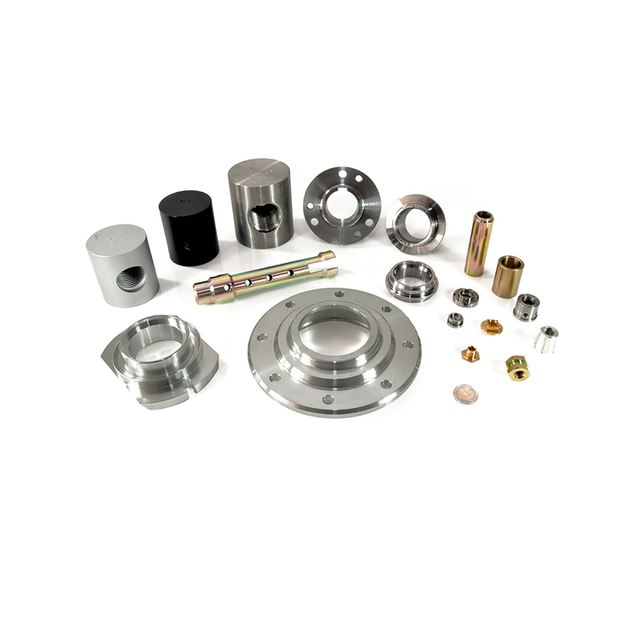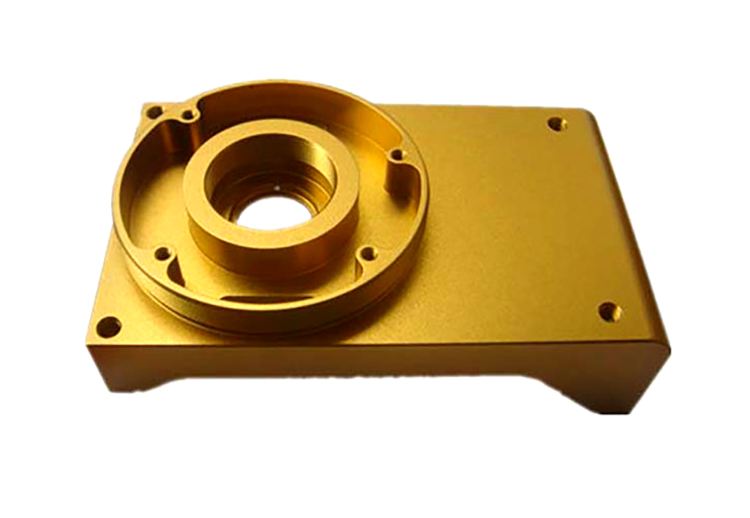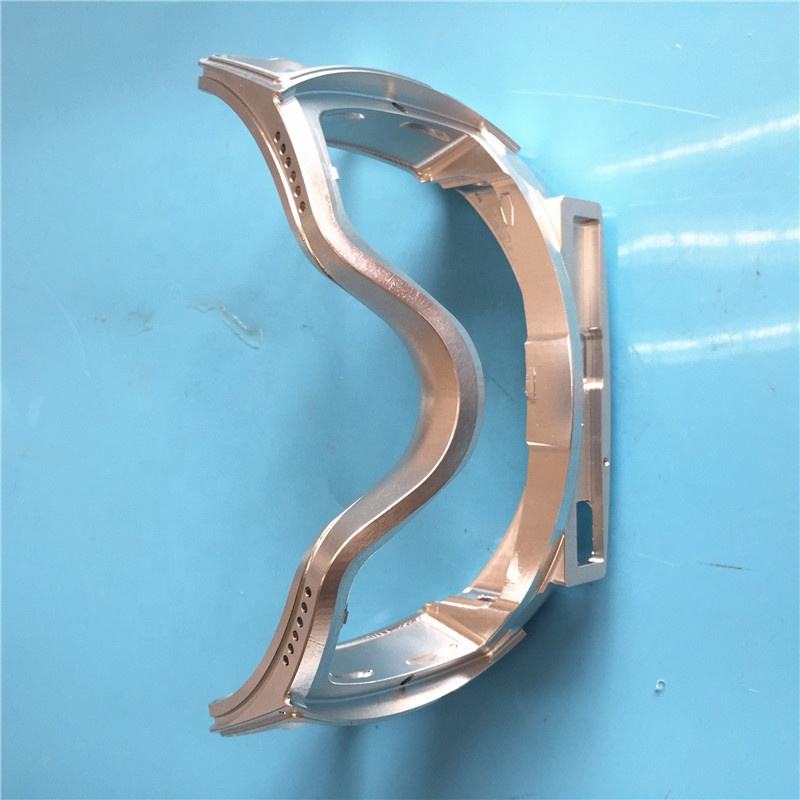
After processes like laser cutting, bending, or stamping (Rapid Sheet Metal), C1100 copper (also called Oxygen-Free Copper) becomes hard and brittle due to work hardening. Vacuum tempering is a heat treatment used to soften it, relieve internal stress, and restore its ductility without oxidizing its beautiful surface.
Detailed Process: Step-by-Step
- Cleaning (Critical First Step):
- Why: Any oil, grease, or coolant from the metalworking process must be completely removed. These contaminants will burn and create carbon spots, permanently staining the shiny copper surface under vacuum heat.
- How: Clean the parts thoroughly with an appropriate solvent (e.g., acetone or isopropyl alcohol) and use lint-free gloves to handle them.
- Loading the Furnace:
- Place the cleaned sheet metal parts neatly into the vacuum furnace.
- Ensure parts are not touching each other or the furnace walls too closely. This allows for even heat distribution and prevents localized overheating or “annealing shadows.”
- Pulling a Vacuum:
- The furnace door is sealed, and the air is pumped out to create a vacuum.
- Why: This removes oxygen and prevents the copper from oxidizing during heating. This is the key advantage – a bright, clean, oxide-free finish after tempering.
- Heating (The Tempering Cycle):
- The furnace slowly heats the parts to a specific temperature, typically between 200°C to 400°C (392°F to 752°F). The exact temperature and time depend on the desired level of softness.
- The furnace holds (soaks) the parts at this temperature for a calculated time (e.g., 60-120 minutes). This allows the internal microstructure to recrystallize, relieving the stresses from machining.
- Cooling:
- After the soak time is complete, the furnace is allowed to cool slowly.
- Cooling must continue under vacuum until the temperature drops low enough (usually below 100°C / 212°F) to prevent any oxidation when the door is opened.
- Unloading:
- Once cool, the furnace is brought back to atmospheric pressure, and the parts are removed.
- They should be bright, shiny, and significantly softer and more ductile than before.
Key Precautions
| Precaution | Reason & Consequence |
|---|---|
| 1. Perfect Cleaning | Contaminants carbonize and bake onto the surface, causing ugly black spots that are impossible to remove without machining. |
| 2. Avoid Overlapping Parts | Parts that touch will not heat evenly, leading to uneven softening and visible marks on the finished pieces. |
| 3. Precise Temperature Control | Temperature is critical. Too low, and stress isn’t fully relieved. Too high, can cause excessive grain growth, making the metal too soft and weak. |
| 4. Maintain Vacuum Integrity | A leak in the furnace will let in oxygen during heating, causing the copper to oxidize and turn a dull pink or black, ruining the finish. |
| 5. Slow Cooling | Rapid cooling (quenching) can reintroduce stress. Cooling must be slow and controlled under vacuum. |
| 6. Material Purity – C1100 | This process is for C1100 (Oxygen-Free Copper). Do not use it with含氧铜 (Oxygen-Bearing Copper) like C12200, as the hydrogen in the vacuum atmosphere can react with internal oxygen and cause hydrogen embrittlement, making the copper brittle and cracked. |
In summary, vacuum tempering for C1100 is a carefully controlled process of heating in the absence of air to make the metal soft again without sacrificing its beautiful, stain-free surface