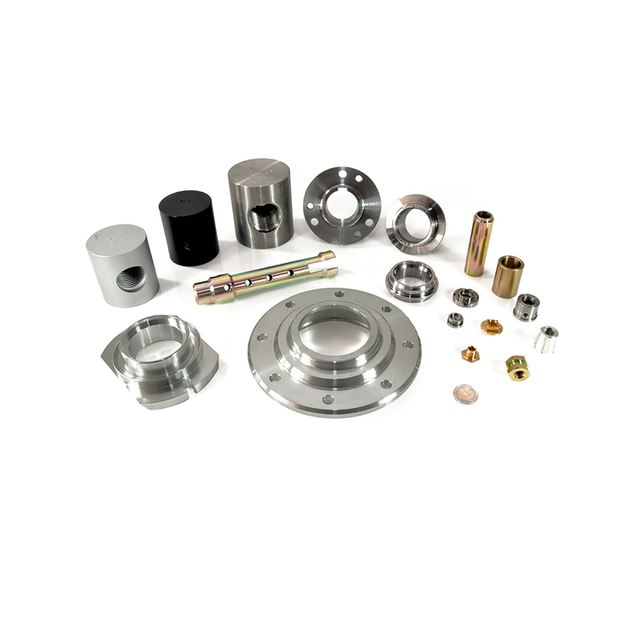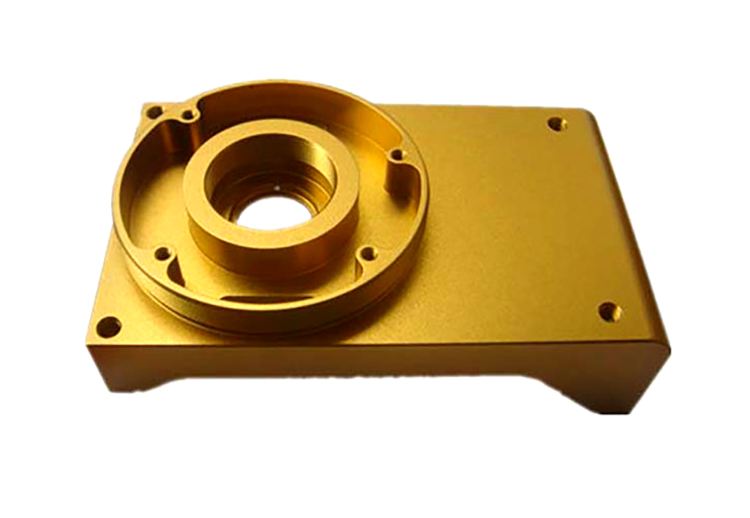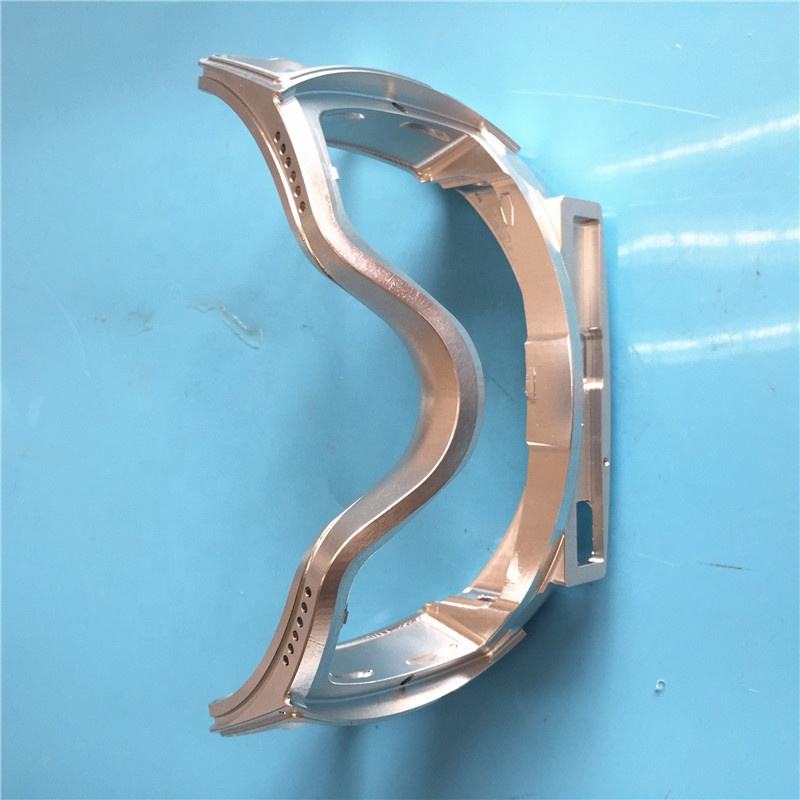
CNC-machined ABS is not just for prototyping; it is a viable material for final end-use products across various industries. Its excellent mechanical properties, cost-effectiveness, and superb machinability make it suitable for low to medium-volume production runs or for parts where the cost of injection molding tooling is not justified.
Key Application Fields:
- Automotive Interiors:
- Parts: Non-structural interior components such as bracket covers, switch panels, HVAC ducting, and prototype-level trim pieces.
- Reason: ABS offers good impact resistance and can be finished to match the interior aesthetics (painted, textured). It is suitable for parts not exposed to high engine heat or direct weathering.
- Electronics Enclosures & Housings:
- Parts: Housings for custom test equipment, laboratory devices, specialized controllers, and short-run consumer electronics.
- Reason: ABS provides excellent electrical insulation, good structural rigidity to protect PCBs, and is easy to machine with integrated snap-fits and threads. Its EMI shielding can be enhanced with conductive coatings.
- Consumer Products:
- Parts: Custom knobs, handles, toys, models, and cosmetic components for various gadgets.
- Reason: It is safe (non-toxic), lightweight, and can be easily sanded and polished to a very smooth, attractive finish or painted in any color.
- Specialized Fixturing & Jigs:
- Parts: Custom tooling, assembly jigs, and gauges used on the factory floor.
- Reason: ABS is lightweight, rigid enough for many fixturing applications, and can be machined quickly and modified easily without the cost and weight of metal.
Emphasis on Product Use年限 (Lifespan):
The service life of a CNC-machined ABS product is highly application-dependent and is primarily limited by its inherent material properties:
- Typical Lifespan: Under normal indoor conditions, without significant mechanical stress or UV exposure, CNC-machined ABS parts can reliably last for 5 to 10 years or more.
- Key Factors Limiting Lifespan:
- UV Exposure (Biggest Threat): Outdoor use will cause the material to yellow, become brittle, and significantly weaken within 1-2 years unless protected by a UV-resistant coating (e.g., automotive clear coat).
- Chemical Exposure: Exposure to solvents, oils, and strong chemicals can cause stress cracking or dissolution.
- Sustained Load: Unlike metals, ABS is subject to creep—it will slowly deform under a constant mechanical load over time, which can lead to failure in structural applications.
- Temperature: Continuous exposure to temperatures above 70-80°C (158-176°F) will cause softening, warping, and loss of mechanical properties.
Conclusion: CNC-machined ABS is perfect for end-use products in controlled, indoor environments where its excellent balance of properties can be leveraged for years. For outdoor or harsh environment applications, its lifespan is limited, and alternative materials (e.g., ASA, Polycarbonate, or metals) should be considered.