Tool breakage is a frequent and costly issue in CNC machining, leading to downtime, scrapped parts, and damaged fixtures. It often occurs when the cutting forces exceed the strength of the tool. Understanding which products and features are high-risk is key to prevention.
1. Products and Features Prone to Causing Tool Breakage
Certain part geometries and materials inherently increase the risk of tool breakage.
A. Parts with Deep Cavities or Pockets
- Why: Using long, slender tools (high Length-to-Diameter ratio or “L:D ratio”) to machine deep pockets increases deflection (bending). The tool bends away from the material, causing uneven cutting forces, vibration (chatter), and eventually snapage.
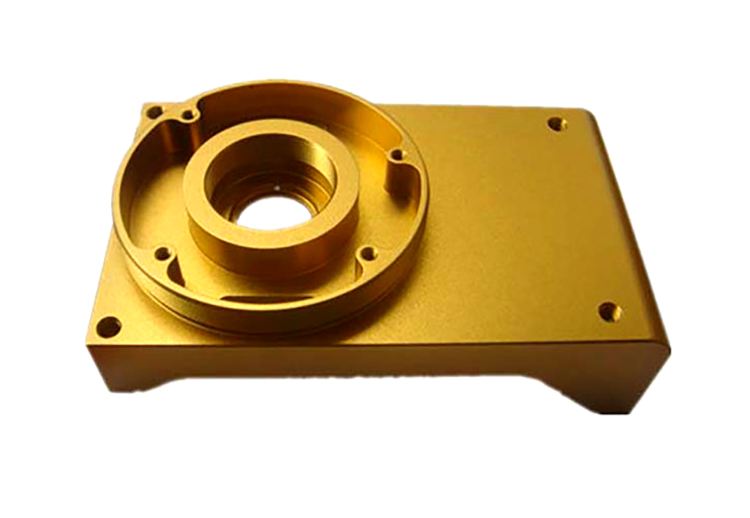
- Example: Aluminum housing for aerospace or automotive components with deep, narrow recesses.
B. Parts with Thin Walls
- Why: Machining thin walls requires very light cuts. If the tool exerts too much pressure, it can deflect and cut into the thin feature, causing it to vibrate or the tool to break. The wall itself can also vibrate, creating unstable cutting conditions.
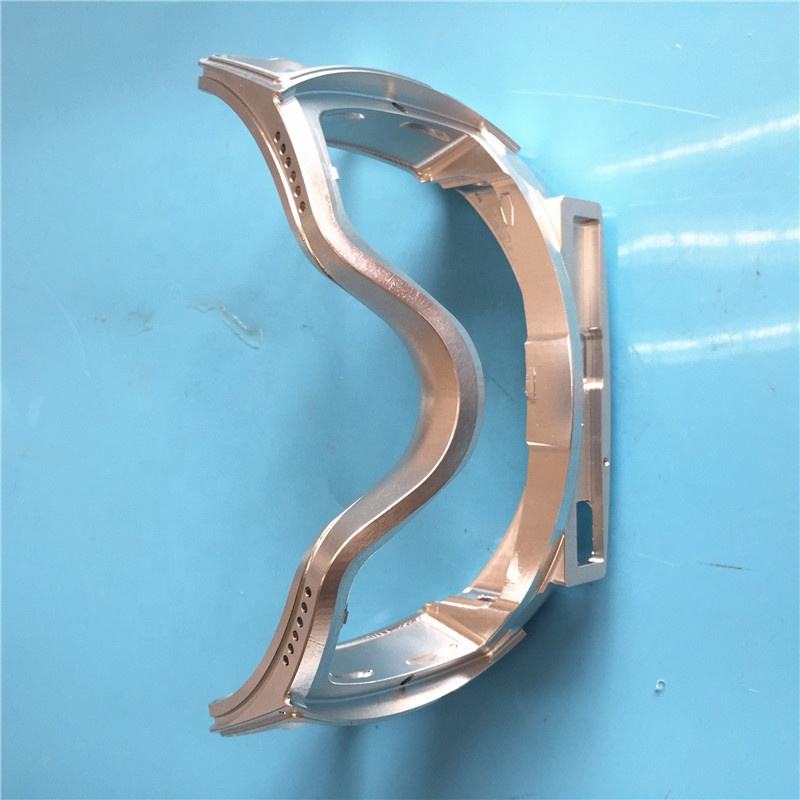
- Example: Lightweight structural components, electronic enclosures, or prototypes with delicate features.
C. Parts Made from Hard or Abrasive Materials
- Why: Hard materials (e.g., tool steels, Inconel, titanium) require high cutting forces and generate significant heat. This combination quickly wears down the tool’s cutting edge, making it brittle and prone to fracture. Abrasive materials (e.g., fiber-reinforced plastics, carbon fiber, silicones) rapidly wear the tool’s sharp edge, leading to breakage.
- Example: Medical implants from titanium, mold cores from hardened steel, composite aerospace brackets.
D. Parts with Hard Inclusions or Impurities
- Why: Castings or forgings can have hard sand inclusions or slag. When the tool unexpectedly hits this hard spot, the sudden shock load can instantly break the cutting edge.
- Example: Engine blocks, valve bodies, or other cast metal parts.
E. Parts with Complex, Interrupted Cuts
- Why: An interrupted cut occurs when the tool repeatedly enters and exits the material (e.g., machining a spline, keyway, or a part with cross-holes). This creates a cycle of thermal shock (heating when cutting, cooling when not) and mechanical shock, which fatigues and breaks the tool.
- Example: Shafts with keyways, gear teeth, wheel hubs.
2. Improvement and Prevention Methods
A strategic approach combining toolpath strategy, tool selection, and machining parameters is required to mitigate breakage.
A. Optimize Tooling Selection
- Use the Shortest and Strongest Tool Possible: Maximize rigidity by minimizing the tool stickout. Use tools with a larger core diameter (less flute depth) for increased strength.
- Choose the Right Tool Geometry: Use tools with a reduced neck (necked-relief) for clearance in deep pockets while maintaining a strong core. For hard materials, use a robust tool with a strong, sharp cutting edge and a coating like TiAlN.
- Select the Appropriate Tool Material: For hard materials, solid carbide end mills offer superior rigidity and wear resistance over HSS (High-Speed Steel). For extremely abrasive composites, diamond-coated tools are preferred.
B. Optimize Cutting Parameters (Feeds and Speeds)
- Reduce Radial Engagement (Stepover): Instead of a full-width cut, use Trochoidal Milling or Adaptive Clearing strategies. These use a small stepover (e.g., 5-15% of tool diameter) with a high feed rate. This distributes heat and load evenly, protecting the tool.
- Adjust Feed Rate: An overly conservative feed rate can be as bad as an aggressive one. Too slow a feed causes the tool to rub instead of cut, generating excessive heat that softens the tool. Use a feed rate calculated for the specific material and operation.
- Control Axial Depth of Cut (DOC): For deep pockets, use a stepdown that is a fraction of the tool diameter rather than a full-depth plunge. Ramp the tool into the cut instead of plunging straight down.
C. Optimize Toolpaths and Programming
- Use Modern CAM Strategies: As mentioned, Trochoidal, Adaptive, and Dynamic Milling paths are designed to maintain a constant tool load, minimize heat, and avoid tool deflection, drastically reducing breakage risk.
- Avoid Slotting with Small Tools: Where possible, use a larger tool to rough out material first, leaving a uniform stock for the smaller finishing tool to remove. Never force a small tool to perform heavy roughing.
- Ensure Efficient Chip Evacuation: Long, stringy chips can wrap around the tool, re-cutting them and causing breakage. Use compressed air or coolant to clear chips. Use tools with the correct number of flutes for the material (e.g., 2 or 3 flutes for aluminum for better chip clearance).
D. Secure Workholding and Part Rigidity
- Eliminate Vibration: A part that vibrates or moves during machining will cause immediate tool failure. Ensure the workpiece is clamped securely using vises, clamps, or fixtures. For thin-walled parts, use strategic support inside the cavity to prevent flexing.
E. Machine Maintenance
- Check for Wear: Ensure the CNC machine itself is in good condition. Worn-out spindle bearings can cause runout (the tool not spinning perfectly true), which puts uneven stress on the tool and leads to breakage.
Summary Table
| Risk Factor | Improvement Method |
|---|---|
| Deep Pockets (High L:D) | Use stubby tools first, then extended-length tools. Use trochoidal toolpaths. |
| Thin Walls | Use sharp tools, light finishing passes, high spindle speed. Secure the part to prevent vibration. |
| Hard/Abrasive Materials | Use solid carbide tools with appropriate coatings. Reduce cutting speed and use consistent feed. |
| Interrupted Cuts | Use tough, shock-resistant tool grades (e.g., micro-grain carbide). Reduce cutting speed slightly. |
| Chip Evacuation | Use compressed air or high-pressure coolant. Select tools with fewer flutes for better chip flow. |
By analyzing the part geometry beforehand and applying these strategic improvements, machinists and programmers can significantly reduce tool breakage, increase efficiency, and improve overall part quality.