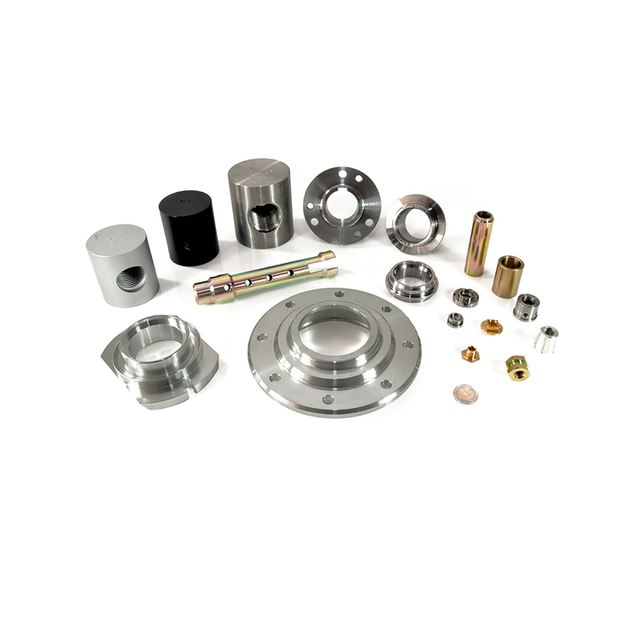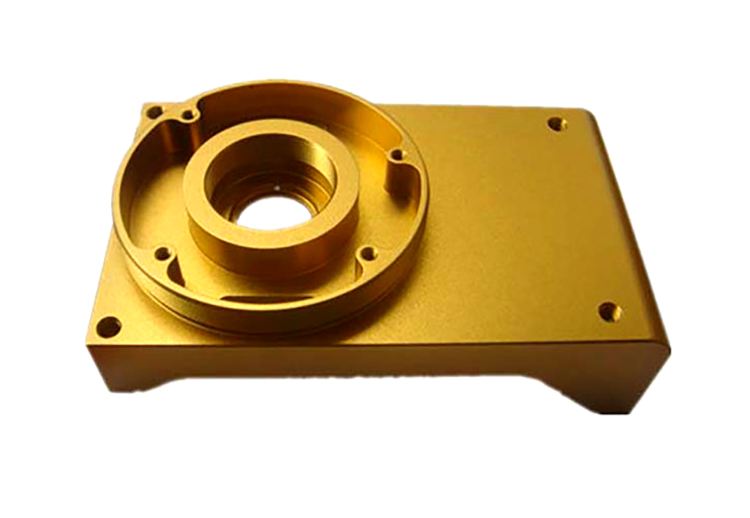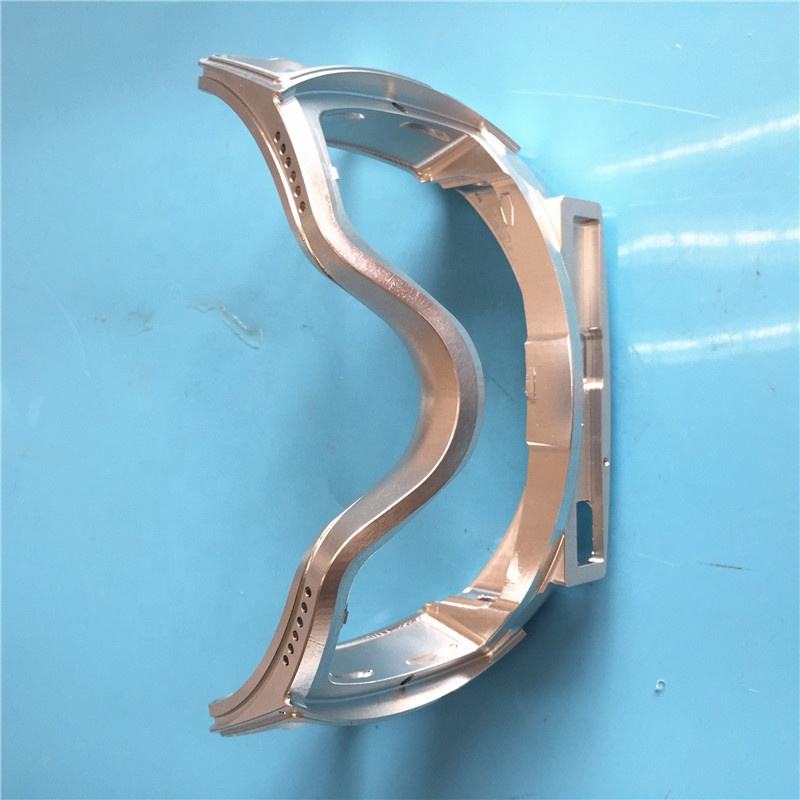
In China’s vast CNC machining sector, mild carbon steel (Low-Carbon Steel) is a fundamental and immensely popular material category. It is prized for its excellent machinability, weldability, formability, and high strength-to-cost ratio. A key characteristic of mild steel is its low carbon content (typically less than 0.25%), which makes it relatively soft and ductile but also susceptible to corrosion. Therefore, surface treatment is almost always a critical step after machining.
I. Commonly Used Mild Carbon Steel Materials
Chinese CNC suppliers commonly stock and work with the following grades. They are familiar with both international standards (like ASTM) and Chinese National Standards (GB), often offering them interchangeably.
- Q235 (GB Standard) – Equivalent to A36 (ASTM) / S235JR (EN)
- Characteristics: This is arguably the most common and widely available mild steel in China. It is a general-purpose structural steel with good strength, excellent weldability, and very low cost. It machines easily but can produce gummy chips; using coolant and sharp tools is key to a good finish.
- Common Applications: Structural frames, brackets, mounting plates, jigs, fixtures, and parts where function and cost are prioritized over surface aesthetics.
- 20# (GB Standard) / 1020 (AISI)
- Characteristics: This grade is a standard “1020” steel with a more consistent composition than Q235. It offers better machinability and can achieve a smoother surface finish. A key advantage is its ability to be case hardened (carburized), creating a hard, wear-resistant exterior while maintaining a tough, ductile core.
- Common Applications: Shafts, pins, levers, gears intended for carburizing, and low-stress machine components.
- Q275 (GB Standard) – Similar to A283 Grade C / S275JR (EN)
- Characteristics: Offers slightly higher tensile and yield strength than Q235 due to a higher manganese content. It maintains good weldability and machinability while providing better mechanical properties for more demanding applications.
- Common Applications: Heavier-duty structural parts, automotive components, and machinery parts requiring higher strength.
- SPCC / DC01 (Cold-Rolled Steel)
- Characteristics: This refers to cold-rolled commercial-quality steel. The cold-rolling process gives it a much smoother, more consistent surface finish than hot-rolled steels (like Q235) and tighter dimensional tolerances. It is often supplied with a bare or slightly oiled surface to prevent rust during storage.
- Common Applications: Electronic enclosures, panels, covers, brackets, and any application requiring a good surface for painting or a cleaner aesthetic straight from the machine.
II. Essential Surface Treatment Methods
Since mild steel rusts easily, surface treatment is mandatory for both corrosion protection and aesthetic enhancement. Chinese suppliers offer a wide range of cost-effective options.
A. Plating & Chemical Conversion Coatings (Most Common)
- Electroplating: Zinc Plating
- Process: An electrochemical process that deposits a thin layer of zinc onto the steel part. Zinc acts as a sacrificial anode, providing cathodic protection even if the coating is scratched.
- Appearance: Naturally shiny silver-bluish. It is almost always followed by a chromate conversion coating for added protection and color.
- Chromate Passivation: After zinc plating, parts are dipped in a chromate solution to create a protective layer that significantly increases corrosion resistance. This process allows for different colors:
- Blue Clear/White: Basic corrosion resistance.
- Yellow Iridescent (Yellow Zinc): Good corrosion resistance.
- Black Zinc: Achieved by adding a black dye to the chromate process, popular for aesthetics.
- Green Chromate: Often used for military specifications.
- Black Oxide (Blackening)
- Process: A chemical conversion process that creates a layer of black iron oxide (magnetite – Fe₃O₄) on the surface. It provides minimal corrosion resistance on its own but offers an attractive black, matte finish that reduces light glare.
- Key Point: It is a dimensional process; it does not add measurable thickness to the part. It must be sealed with oil or wax to improve its rust-inhibiting properties.
B. Painting & Coating (For Superior Protection and Aesthetics)
- Powder Coating
- Process: A dry electrostatically charged powder (typically epoxy, polyester, or hybrid) is sprayed onto the part. The part is then baked in an oven, where the powder melts and flows into a durable, hard, uniform skin.
- Advantages: Highly durable, resistant to chipping, scratches, and chemicals. Available in an almost unlimited range of colors, textures (matte, gloss, wrinkled, metallic), and thicknesses. It is more environmentally friendly than liquid painting.
- Primer: Parts are often phosphated before powder coating to enhance adhesion and provide secondary corrosion resistance.
- Liquid Painting
- Process: Involves spraying primers and paints (e.g., acrylic, enamel, polyurethane) onto the surface. Allows for complex multi-color designs and is available in different sheens.
- Application: Generally less durable than powder coating for high-wear applications but offers more flexibility for touch-ups and specific color matches.
C. Advanced & Specialized Coatings
- Sherardizing
- Process: A thermal diffusion process where parts are tumbled in a sealed drum with zinc dust at high temperatures (below zinc’s melting point). The zinc diffuses into the steel to form a zinc-iron alloy coating.
- Advantages: Creates a matte gray, very durable, and abrasion-resistant finish. It excels in wear applications and provides excellent corrosion protection with uniform coverage, even on complex geometries.
Summary Table for Quick Reference
| Material (Common Name) | Chinese GB Standard | Key Properties | Most Common Surface Treatments |
|---|---|---|---|
| Q235 | GB/T 700 | Low cost, excellent weldability, most common | Zinc Plating + Chromate, Powder Coating, Black Oxide |
| 20# Steel | GB/T 699 | Good for carburizing, better machinability | Zinc Plating, Case Hardening, Powder Coating |
| SPCC | GB/T 5213 | Smooth surface, tight tolerances, cold-rolled | Powder Coating, Painting, Nickel Plating |
| Q275 | GB/T 700 | Higher strength than Q235 | Zinc Plating, Powder Coating, Black Oxide |
Chinese CNC machining suppliers are highly proficient in processing these mild steels and applying the most appropriate, cost-effective surface treatment to meet the functional, aesthetic, budgetary, and corrosion resistance requirements of global clients.