1. Introduction to CNC Machining in Bicycle Manufacturing
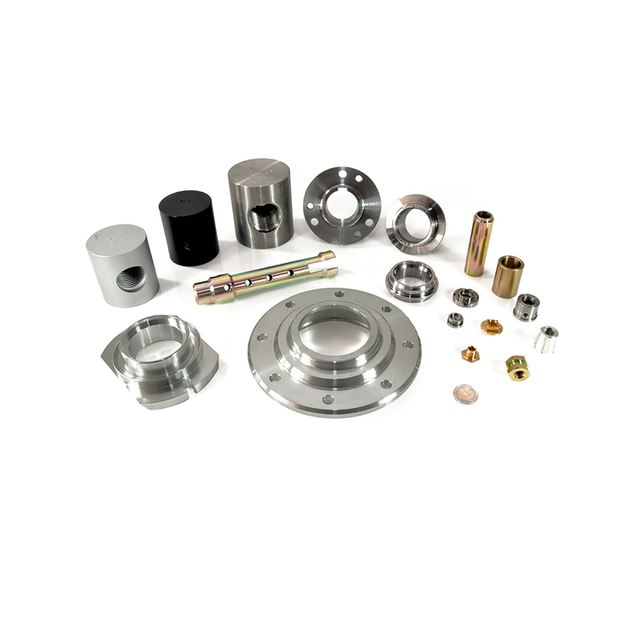
CNC (Computer Numerical Control) machining is a subtractive manufacturing process widely used in the bicycle industry to produce high-precision, durable, and lightweight components. It involves automated cutting tools that remove material from a solid block (metal, plastic, or composite) to create complex geometries with tight tolerances.
CNC machining is ideal for:
- High-performance bike parts (e.g., derailleur hangers, chainrings, brake mounts).
- Custom and small-batch production (e.g., titanium frames, carbon fiber dropouts).
- Prototyping and low-volume manufacturing.
2. CNC Machining Processes for Bicycle Components
(1) CNC Milling
- Process: Rotating cutting tools remove material from a stationary workpiece.
- Applications:
- Frame parts (dropouts, bottom brackets, head tubes).
- Drivetrain components (cranks, chainrings, derailleur cages).
- Brake systems (calipers, mounts, levers).
- Materials: Aluminum (6061, 7075), titanium (Ti-6Al-4V), steel (AISI4130,SUS304,SUS316), carbon fiber composites.
(2) CNC Turning (Lathe Machining)
- Process: The workpiece rotates while a stationary cutting tool shapes it.
- Applications:
- Axles & spindles (hubs, bottom brackets).
- Threaded components (pedal spindles, stem bolts).
- Materials: Steel, titanium, aluminum.
(3) Multi-Axis CNC Machining (3-axis, 4-axis, 5-axis)
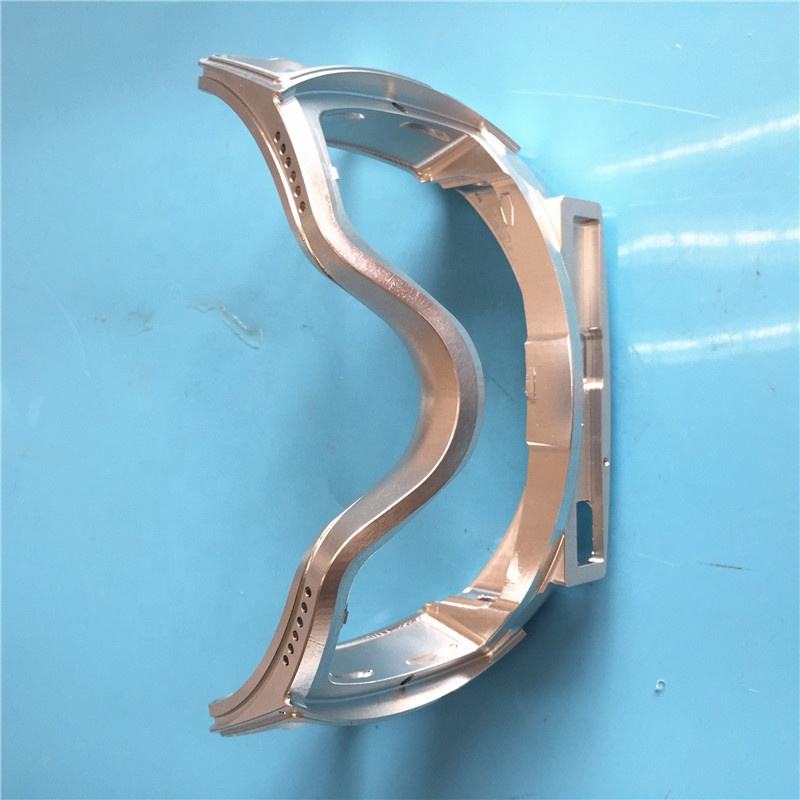
- Process: Advanced machines move cutting tools along multiple axes for complex contours.
- Applications:
- Suspension linkages (mountain bike pivots).
- Aerodynamic handlebars & stems.
- Custom CNC-machined frames.
- Advantages: Higher precision, reduced setup time, smoother finishes.
(4) Swiss Machining (Precision CNC Turning)
- Process: Specialized lathes produce ultra-precise small-diameter parts.
- Applications:
- Spokes & nipples.
- Small fasteners & precision bearings.
3. Quality Inspection for CNC-Machined Bicycle Parts
(1) Dimensional Accuracy Verification
- Tools:
- CMM (Coordinate Measuring Machine) – Checks tolerances (±0.05mm or tighter).
- Laser Scanners & Optical Comparators – For complex curves (e.g., airfoil-shaped seatposts).
- Micrometers & Calipers – Manual verification of critical dimensions.
(2) Material & Mechanical Testing
- Hardness Testing (Rockwell/Brinell): Ensures proper heat treatment (e.g., 7075-T6 aluminum).
- Tensile & Fatigue Testing: Simulates long-term stress on cranks and frames.
- Microstructure Analysis (Metallography): Detects grain structure defects in titanium/steel.
(3) Surface & Structural Integrity Checks
- Visual & Dye Penetrant Inspection (DPI): Finds micro-cracks in welds/machined areas.
- Ultrasonic Testing (UT): Detects internal voids in carbon fiber components.
- Thread Gauging: Ensures proper fit for bolts and bottom brackets.
(4) Functional & Fitment Testing
- Assembly Testing: Verifies compatibility with other bike parts (e.g., fork steerer tubes).
- Dynamic Load Testing: Simulates real-world forces (e.g., pedal stroke forces on cranks).
4. Post-Processing for CNC-Machined Bicycle Components
(1) Surface Finishing Techniques
- Deburring & Edge Smoothing: Removes sharp edges for safety and aesthetics.
- Bead Blasting (Aluminum/Titanium): Creates a uniform matte finish.
- Polishing (Stainless Steel/Ti): Enhances corrosion resistance and appearance.
(2) Heat Treatment & Stress Relief
- Solution Treatment & Aging (Aluminum 7075): Increases strength.
- Annealing (Titanium/Steel): Reduces internal stresses from machining.
(3) Coatings & Anodizing
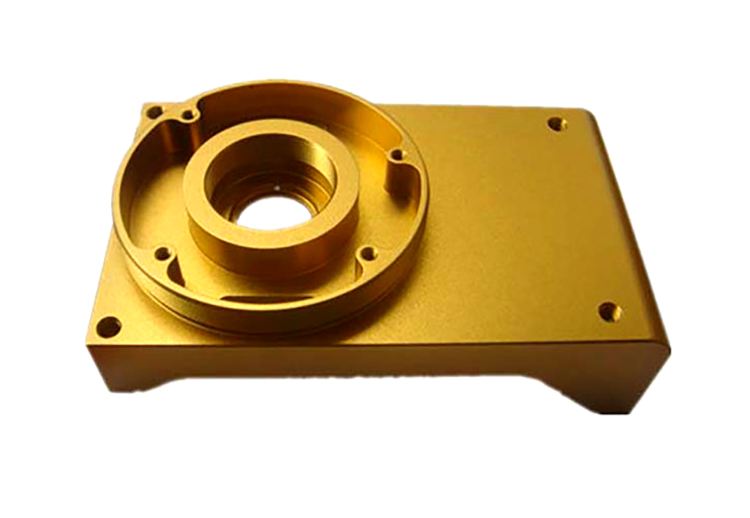
- Anodizing (Aluminum): Improves wear resistance (Type II for color, Type III for hardness).
- Ceramic Coating (Titanium): Reduces friction in drivetrain parts.
- PVD (Physical Vapor Deposition): Adds scratch-resistant layers to high-wear components.
(4) Secondary Machining & Assembly Prep
- Thread Rolling/Tapping: Strengthens threads for bolts and bottom brackets.
- Engraving & Laser Marking: Adds logos, serial numbers, or weight-saving cutouts.
5. Conclusion
CNC machining is essential for producing high-performance, reliable bicycle components with tight tolerances and excellent strength-to-weight ratios. By combining advanced machining techniques (milling, turning, multi-axis), rigorous quality checks (CMM, fatigue testing), and specialized post-processing (anodizing, heat treatment), manufacturers ensure that CNC-machined bike parts meet the demands of competitive cycling and custom builds.