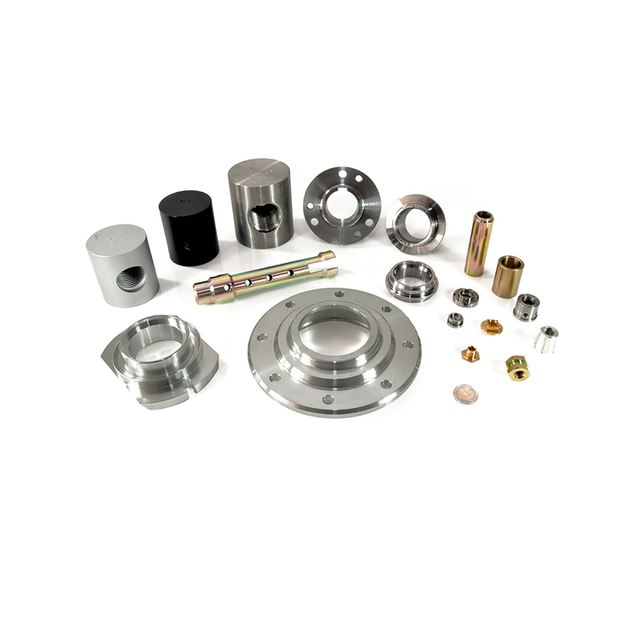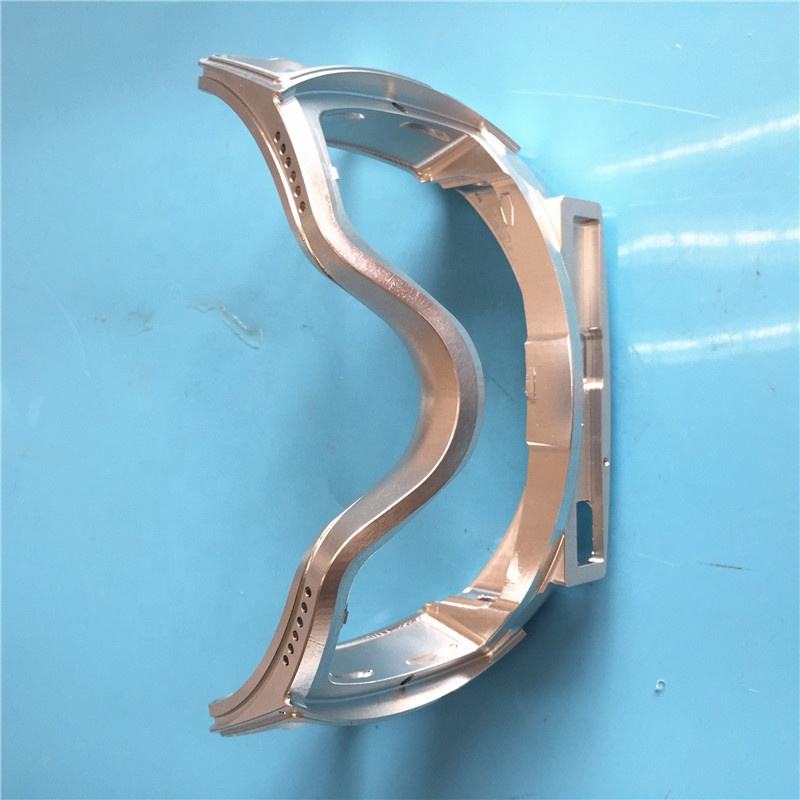
PuKong CNC Machining is a precision manufacturing company specializing in high-quality CNC (Computer Numerical Control) machining services in China, including milling, turning, and multi-axis machining for industries such as aerospace, automotive, medical, and consumer electronics.
To remain competitive in the global market, PuKong must maintain cost efficiency while delivering superior quality, fast lead times, and exceptional customer service. A comprehensive cost analysis helps identify cost drivers, optimize pricing strategies, and improve profitability.
This report breaks down PuKong’s cost structure, analyzes key expenses, and provides actionable insights for cost optimization.
1. Key Cost Components in CNC Machining
1.1 Material Costs
- Raw Materials: High-grade metals (aluminum, steel, titanium, brass) and engineering plastics (PEEK, Delrin).
- Material Waste: CNC machining generates scrap; optimizing cutting paths reduces waste.
- Supplier Pricing: Bulk purchasing and long-term supplier contracts help lower costs.
1.2 Labor Costs
- Skilled Workforce: CNC operators, machinists, engineers, and quality inspectors.
- Training & Certification: Continuous upskilling to handle advanced CNC machines.
- Overtime & Shift Work: High-volume orders may require extra shifts, increasing labor expenses.
1.3 Machine & Equipment Costs
- Capital Investment: High-precision CNC machines (3-axis, 5-axis, Swiss-type lathes) are expensive.
- Maintenance & Calibration: Regular servicing ensures accuracy and longevity.
- Tooling & Cutting Tools: End mills, drills, inserts wear out and need replacement.
1.4 Overhead & Operational Costs
- Facility Expenses: Factory rent, electricity (high power consumption for CNC machines), and cooling systems.
- Software & IT: CAD/CAM software licenses, ERP systems for production planning.
- Quality Control: CMM (Coordinate Measuring Machine) inspections, surface finish testing.
1.5 Logistics & Supply Chain Costs
- Shipping & Packaging: Finished parts must be safely transported to clients.
- Inventory Management: Storing raw materials and finished goods incurs warehousing costs.
2. Cost Analysis Methods
2.1 Activity-Based Costing (ABC)
- Identifies cost drivers per machining operation (e.g., setup time, cycle time, tool changes).
- Helps price jobs accurately based on actual resource usage.
2.2 Break-Even Analysis
- Determines the minimum production volume needed to cover fixed and variable costs.
- Useful for large-scale production contracts.
2.3 Comparative Cost Analysis
- Compares in-house vs. outsourced machining for cost efficiency.
- Evaluates different machining strategies (e.g., 3D printing vs. CNC for prototypes).
2.4 Total Cost of Ownership (TCO)
- Considers long-term costs, including maintenance, downtime, and tool life.
- Helps clients understand value beyond just unit price.
3. Strategies for Cost Optimization
3.1 Machine Utilization & Efficiency
- Reduce idle time with optimized production scheduling.
- Automate processes with robotic part loading/unloading.
3.2 Tool Life Management
- Use high-performance tool coatings to extend lifespan.
- Implement predictive maintenance to avoid unexpected breakdowns.
3.3 Material Optimization
- Nesting software minimizes material waste.
- Recycle metal chips for cost recovery.
3.4 Lean Manufacturing Principles
- Eliminate non-value-added steps (e.g., excessive inspections).
- Implement Just-in-Time (JIT) inventory to reduce storage costs.
3.5 Energy Efficiency
- Use energy-efficient CNC machines and LED lighting.
- Schedule high-power operations during off-peak electricity hours.
4. Pricing Strategy & Competitive Advantage
4.1 Cost-Plus Pricing
- Adds a profit margin to the total production cost.
- Ensures profitability but must stay competitive.
4.2 Value-Based Pricing
- Charges based on customer-perceived value (e.g., tight tolerances, fast delivery).
- Ideal for high-precision aerospace & medical parts.
4.3 Dynamic Pricing
- Adjusts prices based on order volume, material costs, and lead time demands.
- Attracts long-term contracts with bulk discounts.
5. Conclusion & Recommendations
PuKong CNC Machining’s cost structure is influenced by material, labor, machine, and overhead expenses. By implementing advanced cost analysis methods (ABC, TCO, lean manufacturing), the company can reduce waste, improve efficiency, and enhance profitability.
Key Recommendations:
✅ Invest in automation to reduce labor dependency.
✅ Optimize tooling strategies to lower machining costs.
✅ Adopt smart pricing models to remain competitive.
✅ Strengthen supplier relationships for better material pricing.
By continuously refining its cost management, PuKong can deliver high-quality CNC machining at competitive prices, securing long-term customer partnerships.