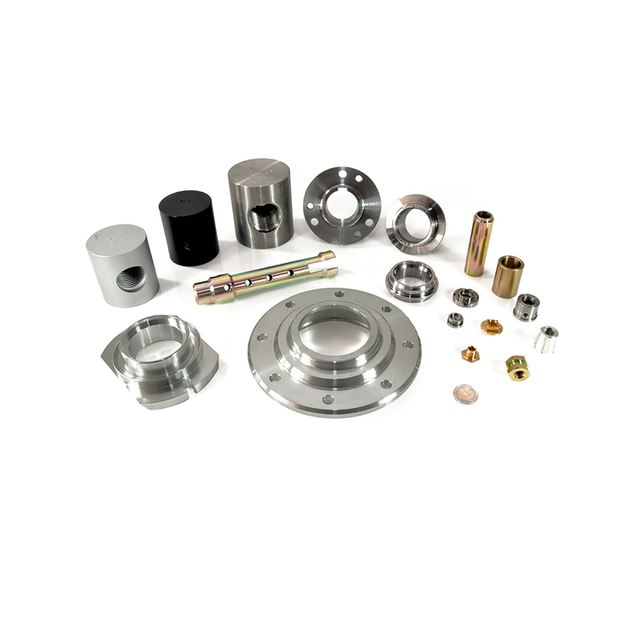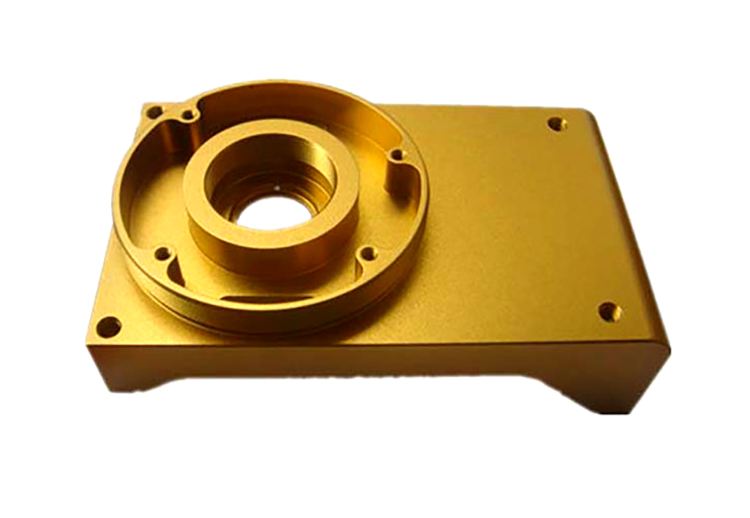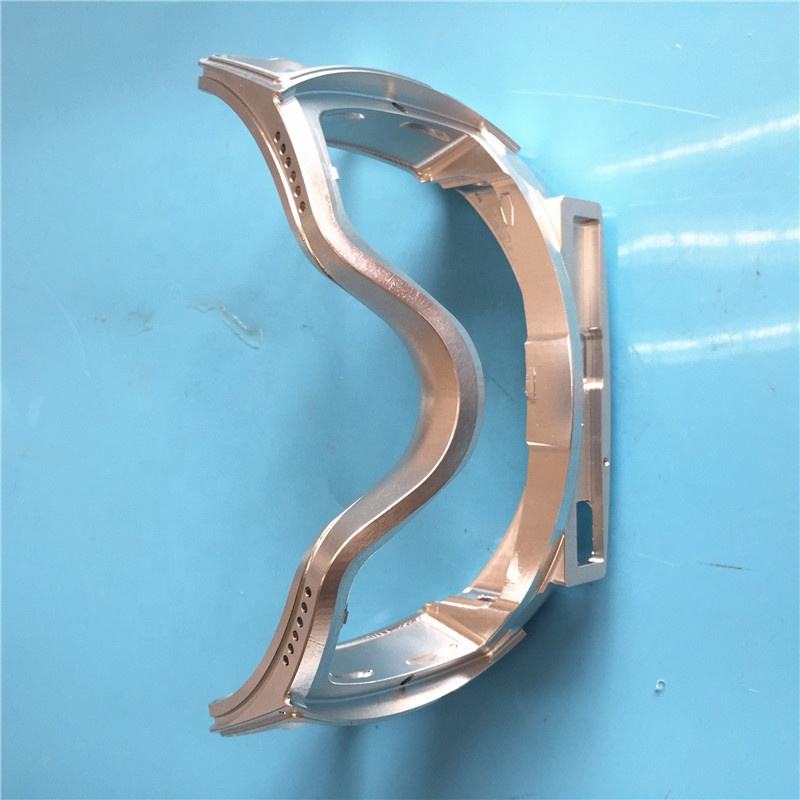
CNC (Computer Numerical Control) machining is a highly precise manufacturing process used across industries like aerospace, automotive, and medical devices. Despite its automation, human errors can lead to costly defects, machine damage, and production delays. This report explores common human-related mistakes in CNC machining services and provides practical solutions to minimize them.
1. Design & Programming Errors
Common Mistakes:
- Incorrect CAD/CAM Models: Errors in the 3D model (e.g., missing features, wrong dimensions) lead to faulty toolpaths.
- Improper Toolpath Selection: Using the wrong cutting strategy (e.g., climb vs. conventional milling) causes poor surface finish or tool breakage.
- Incorrect G-Code: Manual programming mistakes (e.g., wrong coordinates, missing M-codes) crash the machine.
- Ignoring Tolerances: Overlooking part tolerances results in non-functional components.
Solutions:
✔ Use Simulation Software (e.g., Vericut, CAMWorks) to verify toolpaths before machining.
✔ Automate CAM Programming to reduce manual G-code errors.
✔ Implement Design for Manufacturing (DFM) Checks to ensure machinability.
✔ Peer Review designs and programs before execution.
2. Machine Setup & Workholding Errors
Common Mistakes:
- Incorrect Fixturing: Poorly secured workpieces shift during machining, causing misalignment.
- Wrong Tool Selection: Using dull, undersized, or incompatible tools leads to poor cuts.
- Improper Zero-Point Setting: Misaligning the workpiece origin scrapes parts.
- Neglecting Tool Length & Diameter Offsets: Causes depth errors or collisions.
Solutions:
✔ Use Precision Clamps & Jigs for stable workholding.
✔ Implement Tool Presetting Machines to verify tool dimensions.
✔ Double-Check Work Coordinates (G54-G59) before starting.
✔ Follow Setup Checklists to ensure all parameters are correct.
3. Operational & Process Errors
Common Mistakes:
- Incorrect Feed/Speed Settings: Too fast → tool wear; too slow → inefficiency.
- Ignoring Coolant/Lubrication: Overheating damages tools and workpieces.
- Skipping Warm-Up Cycles: Cold machines have thermal expansion issues.
- Running Unattended Without Monitoring: Leads to undetected crashes.
Solutions:
✔ Use Cutting Parameter Calculators (e.g., FSWizard) for optimal speeds/feeds.
✔ Implement Automated Coolant Systems with sensors.
✔ Perform Machine Warm-Up Routines before high-precision jobs.
✔ Use Machine Monitoring Software (e.g., MachineMetrics) for real-time alerts.
4. Inspection & Quality Control Errors
Common Mistakes:
- Inadequate In-Process Checks: Defects go unnoticed until final inspection.
- Using Wrong Measuring Tools: Calipers instead of micrometers for tight tolerances.
- Human Misreading of Dimensions: Manual measurement errors.
- Ignoring Surface Finish Requirements: Parts fail post-machining tests.
Solutions:
✔ Implement First-Article Inspection (FAI) before full production.
✔ Use Digital Probes & CMMs (Coordinate Measuring Machines) for accuracy.
✔ Automate Inspection with Vision Systems (e.g., Keyence).
✔ Train Operators on GD&T (Geometric Dimensioning & Tolerancing).
5. Maintenance & Safety Oversights
Common Mistakes:
- Delaying Machine Maintenance: Worn-out ball screws or spindles reduce precision.
- Ignoring Chip Removal: Accumulated chips cause recutting and tool damage.
- Lack of PPE (Personal Protective Equipment): Flying metal chips or coolant exposure harm workers.
- Bypassing Safety Interlocks: Leads to machine crashes or injuries.
Solutions:
✔ Follow Preventive Maintenance Schedules (lubrication, belt tension checks).
✔ Use Chip Conveyors & Air Blasts to keep work areas clean.
✔ Enforce Strict PPE Policies (safety glasses, gloves, ear protection).
✔ Lockout-Tagout (LOTO) Procedures for machine servicing.
6. Human Fatigue & Training Gaps
Common Mistakes:
- Operator Fatigue: Leads to slower reactions and mistakes.
- Insufficient Training: New operators mishandle machines.
- Overconfidence in Experienced Workers: Skipping safety checks.
Solutions:
✔ Rotate Shifts to prevent fatigue.
✔ Provide Regular CNC Training & Certifications.
✔ Encourage a Culture of Double-Checking (even for senior machinists).
Conclusion: Reducing Errors in CNC Machining
Human errors in CNC machining can be minimized through:
✅ Automation (CAM software, tool presetters, CMMs).
✅ Standardized Procedures (checklists, DFM, FAI).
✅ Continuous Training (operators, programmers).
✅ Predictive Maintenance & Safety Culture.
By implementing these strategies, manufacturers can improve accuracy, reduce waste, and enhance productivity in CNC machining services process.