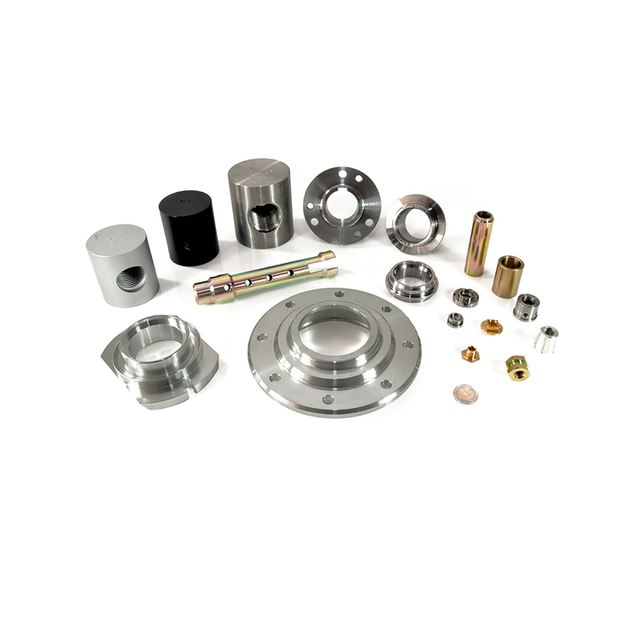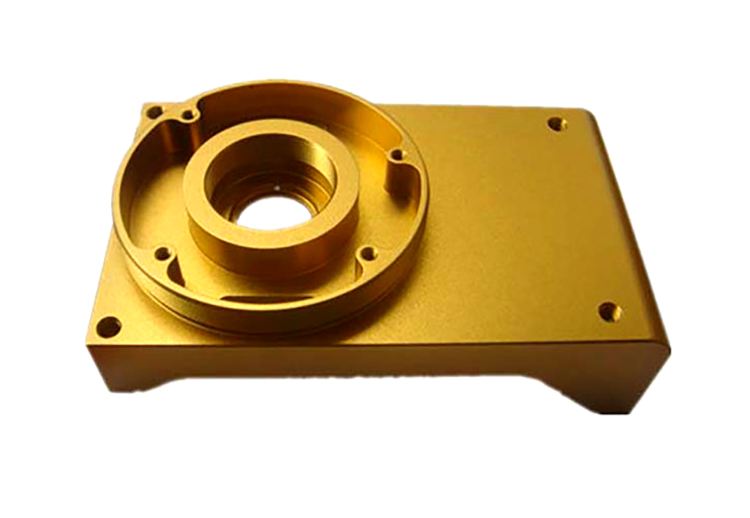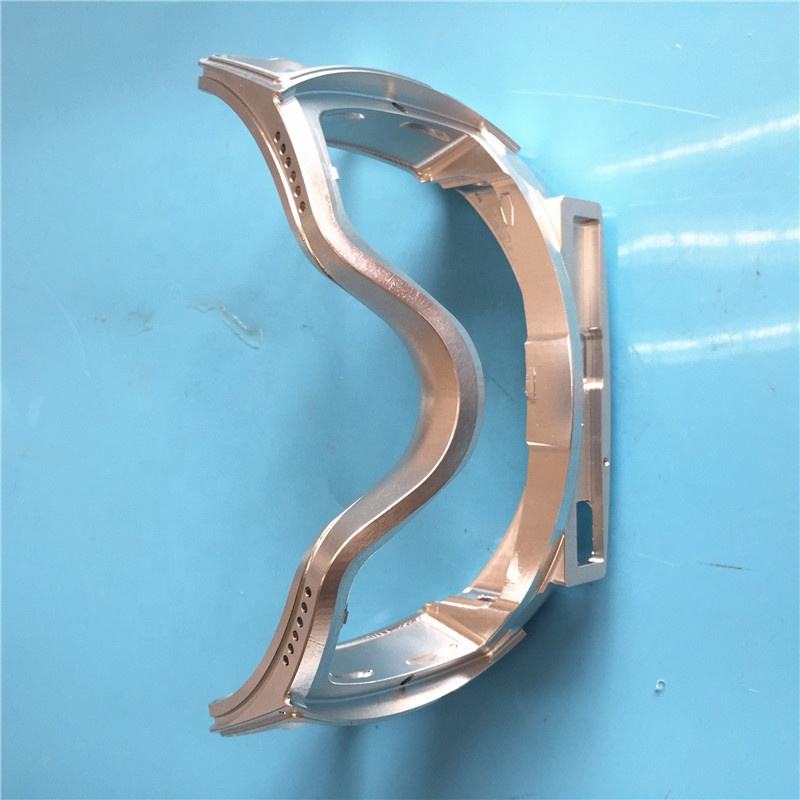
CNC machining is a highly precise manufacturing process used to produce complex parts with tight tolerances. However, even with advanced machinery, defects can occur due to tool wear, improper programming, material issues, or machining parameters.
As mechanical engineers, understanding these common CNC machining defects—and how to prevent them—is crucial for ensuring part quality, reducing scrap rates, and optimizing production efficiency.
This article outlines the most frequent CNC machining defects, their root causes, and practical solutions to mitigate them.
1. Poor Surface Finish (Roughness, Chatter Marks, or Tool Marks)
Causes:
- Incorrect cutting speed/feed rate (too fast or too slow).
- Dull or improperly selected cutting tools.
- Excessive tool vibration (chatter).
- Improper coolant application.
Solutions:
- Optimize cutting parameters (adjust speed, feed, and depth of cut).
- Use sharp, high-quality tools with appropriate coatings (e.g., TiN, TiAlN).
- Reduce vibration by using shorter tool extensions, rigid setups, or dampening tool holders.
- Ensure proper coolant flow to prevent heat buildup and improve chip evacuation.
2. Dimensional Inaccuracy (Out-of-Tolerance Parts)
Causes:
- Tool deflection (especially in deep pockets or thin walls).
- Thermal expansion due to excessive heat.
- Machine calibration errors (backlash, servo misalignment).
- Incorrect toolpath programming.
Solutions:
- Use shorter, stiffer tools to minimize deflection.
- Allow for thermal compensation (coolant, controlled machining environment).
- Regularly calibrate CNC machines (check ball screws, linear guides).
- Verify G-code with simulation software before machining.
3. Burrs and Sharp Edges
Causes:
- Dull cutting tools causing material push instead of clean shear.
- Incorrect toolpath strategy (climb vs. conventional milling).
- Excessive feed rates.
Solutions:
- Use sharp tools with proper geometry (e.g., high helix end mills for aluminum).
- Apply deburring techniques (manual, vibratory, or electrochemical).
- Optimize feed rates and use climb milling where possible.
4. Tool Breakage or Premature Wear
Causes:
- Excessive cutting forces (high feed, depth of cut, or speed).
- Poor chip evacuation leading to re-cutting chips.
- Incorrect tool material for workpiece hardness.
Solutions:
- Follow manufacturer’s recommended cutting parameters.
- Use chip breakers and high-pressure coolant for better chip removal.
- Select appropriate tool materials (e.g., carbide for hardened steel, diamond for composites).
5. Workpiece Deformation (Thin-Wall or Delicate Parts)
Causes:
- Excessive clamping force causing distortion.
- Residual stresses in material (e.g., castings, extrusions).
- Heat buildup during machining.
Solutions:
- Use soft jaws or custom fixtures to distribute clamping force evenly.
- Stress-relieve materials before machining (annealing).
- Apply light finishing passes to minimize thermal effects.
6. Hole Quality Issues (Oversized, Tapered, or Rough Holes)
Causes:
- Tool deflection in deep holes.
- Incorrect drill geometry or wear.
- Improper peck drilling cycles.
Solutions:
- Use rigid drill bits (carbide, reduced shank).
- Implement peck drilling for deep holes to clear chips.
- Ream or bore holes for high-precision requirements.
7. Scratches or Gouges (Tool Crashes or Fixturing Errors)
Causes:
- Incorrect workpiece setup or misalignment.
- Toolpath errors (rapid moves hitting the part).
- Loose fixtures or worn-out clamps.
Solutions:
- Double-check workpiece zero points before machining.
- Use simulation software to detect potential collisions.
- Inspect and maintain fixtures regularly.
8. Poor Chip Control (Built-Up Edge, Chip Recutting)
Causes:
- Insufficient coolant/lubrication.
- Improper chip breaker geometry.
- Low cutting speeds causing material adhesion.
Solutions:
- Optimize coolant flow and type (flood, MQL, or air blast).
- Use tools with chip breakers for better chip control.
- Increase cutting speed to prevent built-up edge (BUE).
Conclusion
CNC machining defects can lead to costly rework, delays, and material waste. By understanding common issues—such as poor surface finish, dimensional inaccuracies, tool wear, and workpiece deformation—engineers can take proactive measures to improve machining quality.
Key Takeaways for Mechanical Engineers:
✔ Optimize cutting parameters (speed, feed, depth of cut).
✔ Use high-quality, sharp tools and proper fixturing.
✔ Regularly maintain and calibrate CNC machines.
✔ Simulate toolpaths and verify setups before machining.
At PuKong CNC Machining, we emphasize precision, efficiency, and continuous improvement. By applying these best practices, engineers can achieve higher-quality machined parts with fewer defects.
Need expert CNC machining solutions? Contact PuKong CNC Machining today!