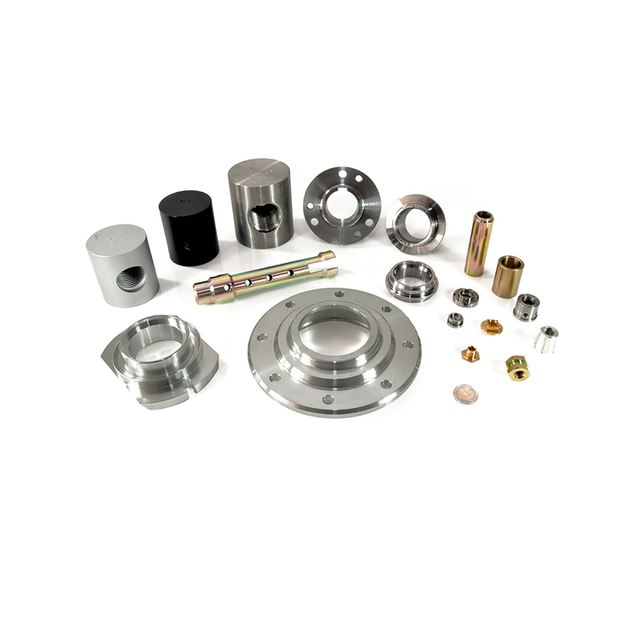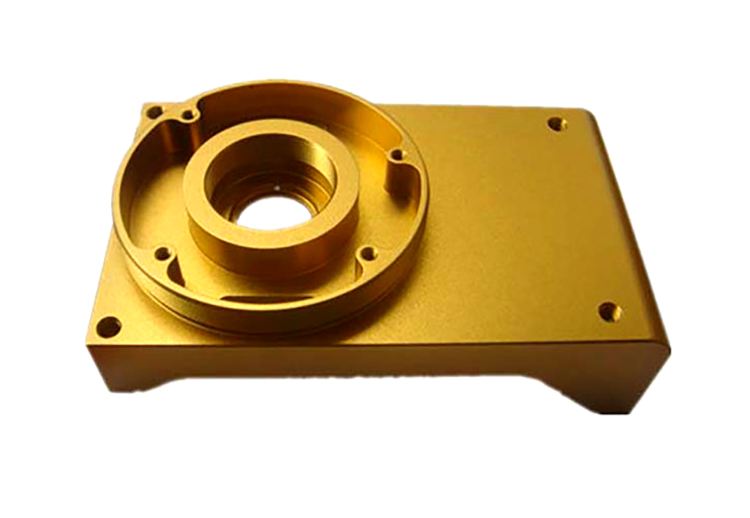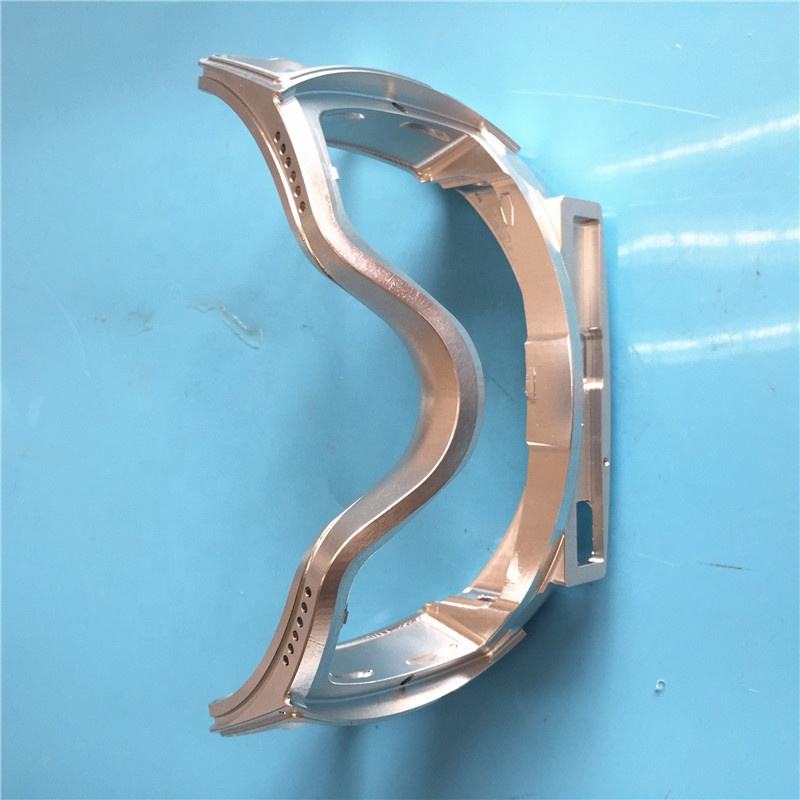
At PuKong CNC Machining, understanding these defects and implementing preventive measures is crucial for maintaining high-quality production.
This report outlines the most common CNC machining defects, their root causes, and practical solutions to minimize errors and improve efficiency.
1. Dimensional Inaccuracy
Causes:
- Tool wear: Worn-out tools lead to incorrect cuts.
- Machine calibration errors: Misaligned axes or backlash in ball screws.
- Thermal expansion: Heat buildup distorts parts and tools.
- Poor fixturing: Loose clamping causes part movement.
Prevention Methods:
- Regular tool inspection & replacement – Monitor tool wear using sensors or scheduled checks.
- Machine calibration – Perform periodic maintenance and backlash compensation.
- Temperature control – Use coolant and stable workshop temperatures.
- Secure workholding – Optimize fixture design with proper clamping force.
2. Surface Roughness & Poor Finish
Causes:
- Incorrect cutting parameters (too high feed rate or wrong spindle speed).
- Tool chatter (vibration due to weak setup or improper tool selection).
- Dull or chipped cutting tools.
- Improper coolant application.
Prevention Methods:
- Optimize cutting parameters – Adjust feed rate, spindle speed, and depth of cut.
- Use anti-vibration toolholders – Reduce chatter with dynamic toolholders.
- Sharpen or replace tools – Ensure cutting edges are in good condition.
- Apply proper coolant/lubrication – Prevents built-up edge (BUE) on materials like aluminum.
3. Burrs & Sharp Edges
Causes:
- Incorrect toolpath strategy (e.g., conventional vs. climb milling).
- Dull tools causing material push instead of clean cuts.
- Improper deburring post-processing.
Prevention Methods:
- Use climb milling – Produces cleaner edges compared to conventional milling.
- Select sharp tools with proper geometry – Reduces burr formation.
- Automated deburring – Use vibratory finishing, tumbling, or manual deburring tools.
4. Tool Breakage
Causes:
- Excessive cutting forces (too high feed or depth of cut).
- Poor tool material selection (e.g., using HSS for hardened steel).
- Insufficient coolant leading to overheating.
- Chip clogging in deep cavities.
Prevention Methods:
- Optimize cutting parameters – Reduce feed rate and depth of cut for hard materials.
- Use carbide or coated tools – More durable for high-speed machining.
- Improve chip evacuation – Use compressed air or high-pressure coolant.
- Tool condition monitoring – Detect wear before catastrophic failure.
5. Warping & Distortion (Thin-Walled Parts)
Causes:
- Residual stresses in raw material.
- Excessive clamping force bending delicate parts.
- Heat buildup causing thermal expansion.
Prevention Methods:
- Stress-relieve material before machining – Annealing or normalizing metals.
- Use soft jaws or vacuum fixtures – Distribute clamping pressure evenly.
- Minimize heat generation – Use sharp tools and proper coolant.
6. Hole & Thread Defects
Causes:
- Drill wandering (misalignment).
- Chip clogging in deep holes.
- Improper tap selection (wrong pitch or coating).
Prevention Methods:
- Use center drills or spotting drills – Improve hole positioning.
- Peck drilling cycle – Breaks chips and prevents clogging.
- Select correct tap type (spiral flute for blind holes, form taps for ductile metals).
7. Scorching & Burning (Plastics & Non-Ferrous Metals)
Causes:
- Excessive spindle speed generating too much heat.
- Poor chip evacuation causing recutting and friction.
- Insufficient cooling for heat-sensitive materials.
Prevention Methods:
- Reduce RPM and increase feed rate – Lowers heat buildup.
- Use air blast or specialized coolants – Prevents melting in plastics.
- Sharp, polished tools – Minimize friction.
Best Practices for PuKong CNC Machining
To minimize defects, follow these key strategies:
1. Pre-Production Checks
- CAD/CAM verification – Simulate toolpaths to detect collisions.
- Material inspection – Ensure proper hardness and stress relief.
2. In-Process Monitoring
- Tool wear sensors – Detect wear before failure.
- Probing systems – Verify part dimensions mid-process.
3. Post-Machining Quality Control
- CMM (Coordinate Measuring Machine) – Check critical dimensions.
- Surface roughness testing – Ensure finish meets specifications.
Conclusion
By understanding these common CNC machining defects and implementing preventive measures, PuKong CNC Machining can significantly improve part quality, reduce scrap rates, and enhance production efficiency. Continuous training, machine maintenance, and process optimization are essential for maintaining high standards in precision manufacturing.
Would you like additional details on specific materials (e.g., titanium, composites) or defect analysis techniques? Let us know!