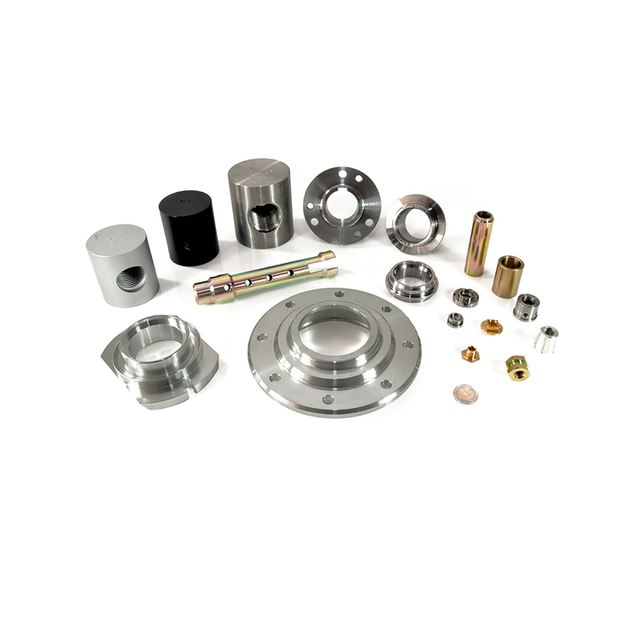
The globalization of manufacturing has made China a pivotal hub for CNC machining services. For European and American clients, sourcing from China offers significant advantages in cost, scalability, and technical capability. However, identifying the right supplier requires careful evaluation across several critical dimensions. Here are the primary aspects the clients consider when seeking CNC machining partners in China.
1. Technical Capability and Precision
Clients first assess the supplier’s technical expertise and equipment portfolio. They look for:
- Advanced Machinery: A wide range of modern CNC equipment (3-axis to 5-axis, milling, turning, Swiss-type lathes) capable of handling complex geometries.
- Material Proficiency: Experience with diverse materials—from metals like aluminum, stainless steel, and titanium to engineering plastics—meeting international standards (e.g., ASTM, DIN).
- Tolerance and Quality: Ability to achieve tight tolerances (often within ±0.01mm) and consistency across batches, supported by detailed quality control processes.
2. Quality Assurance and Certifications
Quality is non-negotiable.The clients prioritize suppliers with:
- International Certifications: ISO 9001 for quality management, ISO 13485 for medical devices, IATF 16949 for automotive components, and AS9100 for aerospace.
- Inspection and Testing: In-house metrology tools (CMMs, optical comparators, surface testers) and adherence to inspection protocols like PPAP (Production Part Approval Process).
- Documentation: Comprehensive reports, including material certifications, first-article inspection (FAI), and full traceability.
3. Communication and Project Management
Effective collaboration is essential across cultures and time zones. Clients evaluate:
- Language and Responsiveness: Fluent English communication, timely updates, and proactive problem-solving.
- Cultural Alignment: Understanding of Western business practices, project timelines, and clarity in quoting and order management.
- Digital Tools: Use of collaborative platforms for file sharing (e.g., ERP/MES systems), real-time project tracking, and clear RFQ processes.
4. Cost-Effectiveness and Transparency
While competitive pricing is a key advantage, clients look for value beyond low costs:
- Detailed Quotations: Clear breakdowns of unit costs, tooling, setup, and shipping—without hidden fees.
- Total Cost of Ownership: Considerations for material waste, rework rates, and logistics efficiency.
- Scalability: Flexibility for both prototyping and high-volume production runs.
5. Reliability and Lead Times
On-time delivery is critical to supply chain stability. Suppliers are assessed on:
- Production Capacity: Ability to meet deadlines without compromising quality, even for urgent orders.
- Supply Chain Resilience: Robust material sourcing, contingency planning, and packaging that ensures parts arrive undamaged.
- Logistics Partnerships: Experience with reliable global shipping providers (DHL, UPS, FedEx) and familiarity with import/export regulations.
6. Intellectual Property (IP) Protection
IP security is a top concern for the companies. Trusted suppliers demonstrate:
- Confidentiality Agreements: Willingness to sign robust NDAs and IP clauses.
- Data Security: Secure file transfer systems, restricted server access, and a clear policy on design ownership.
- Reputation: A history of working with international clients without IP disputes.
7. Industry Experience and References
Proven expertise adds credibility. Clients look for:
- Portfolio Diversity: Experience in their specific industry (e.g., automotive, aerospace, medical, consumer electronics).
- Case Studies and Testimonials: Success stories from similar the clients.
- Samples and Factory Audits: Willingness to provide prototypes or host virtual/on-site audits.
8. Additional Value-Added Services
Suppliers that offer end-to-end solutions stand out:
- Design for Manufacturability (DFM): Early-stage engineering feedback to optimize part design for cost and performance.
- Secondary Operations: In-house finishing (anodizing, plating, powder coating), assembly, and kitting.
- Continuous Improvement: Willingness to adopt client-specific standards and implement feedback.
Conclusion
For European and American clients, choosing a CNC machining supplier in China is a strategic decision based on a balance of technical excellence, quality assurance, communication clarity, and reliability. While cost advantages are important, long-term partnerships are built on trust, consistency, and a shared commitment to meeting global standards. Suppliers who invest in these areas position themselves as valuable partners in the competitive landscape of precision manufacturing.