Shenzhen is the undisputed global epicenter for hardware innovation and manufacturing. For anyone needing precision CNC machined parts—from prototypes to production runs—the city offers an unparalleled concentration of expertise, technology, and competitive pricing. However, this vast marketplace, with its thousands of workshops and factories, presents a significant challenge: how to separate truly qualified, reliable partners from the mediocre or unprofessional operators.
Finding a qualified CNC machining supplier here is less about luck and more about a systematic, diligent vetting process. Here is a step-by-step guide to navigating Shenzhen’s CNC landscape successfully.
Phase 1: Define Your Project with Absolute Clarity
Before contacting a single supplier, you must have a complete and clear technical package. Ambiguity invites misunderstandings, delays, and cost overruns.
- Detailed Technical Drawings: Provide industry-standard 2D drawings (in PDF or DWG format) with clear, unambiguous GD&T (Geometric Dimensioning and Tolerancing). Indicate critical dimensions, surface finishes (e.g., Ra 1.6), and any special inspection requirements.
- 3D CAD Model: Supply a clean STEP or IGES file. This is essential for CAM programming.
- Material Specifications: Specify not just the alloy (e.g., 6061-T6 aluminum, 304 Stainless Steel, POM), but also the material standard (e.g., ASTM, DIN, JIS) if required.
- Quantity & Timeline: Be clear about your needs: is this a one-off prototype, a small-batch run (10-50 pieces), or an ongoing production order? Define your required lead time.
Phase 2: Source Potential Suppliers Through theRight Channels
- Online Search Engine: Utilize search engine like Google, Baidu. Use specific keywords (“rapid prototype in Shenzhen,” “low-volume production”).
- Specialized Prototyping Platforms: Consider services like FirstPCB (for PCBs), JLCPCB, or Seeed Studio’s Fusion service, which are streamlined for low-volume, high-mix prototype work.
Phase 3: The Critical Vetting & Evaluation Process
This is where you separate the contenders from the pretenders.
- Capability Assessment:
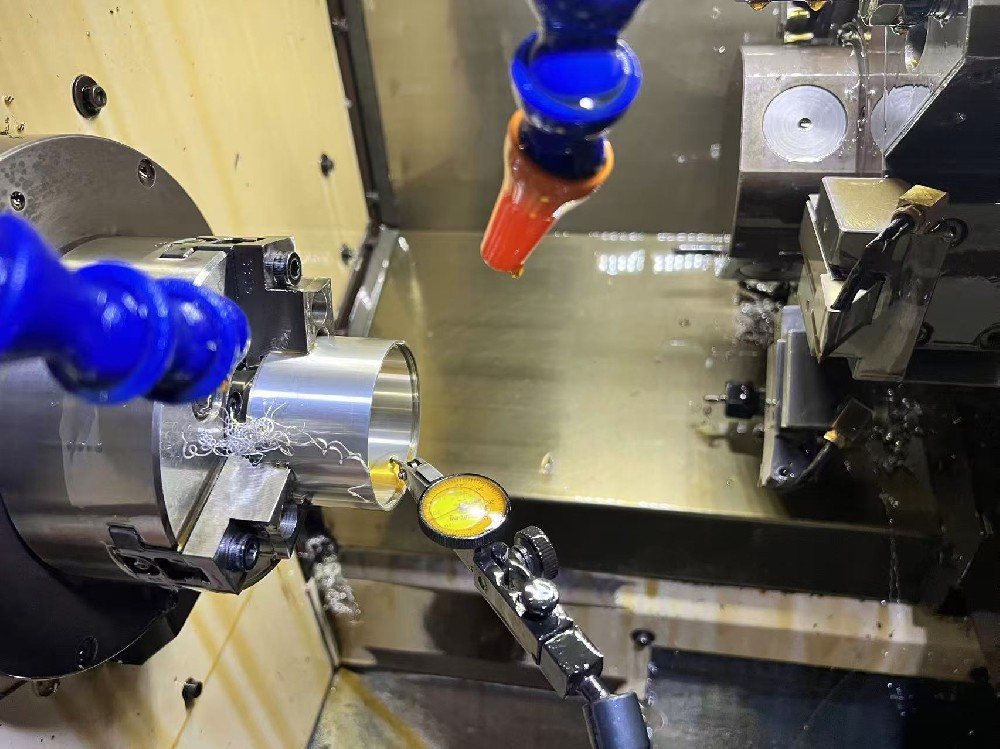
- Equipment Portfolio: Ask specifically about their machines. Do they have 3-axis, 4-axis, or 5-axis CNC mills? Swiss-type lathes for complex turned parts? What are the brands (DMG MORI, HAAS, etc.) and how old are the machines? Modern, well-maintained equipment is non-negotiable for precision.
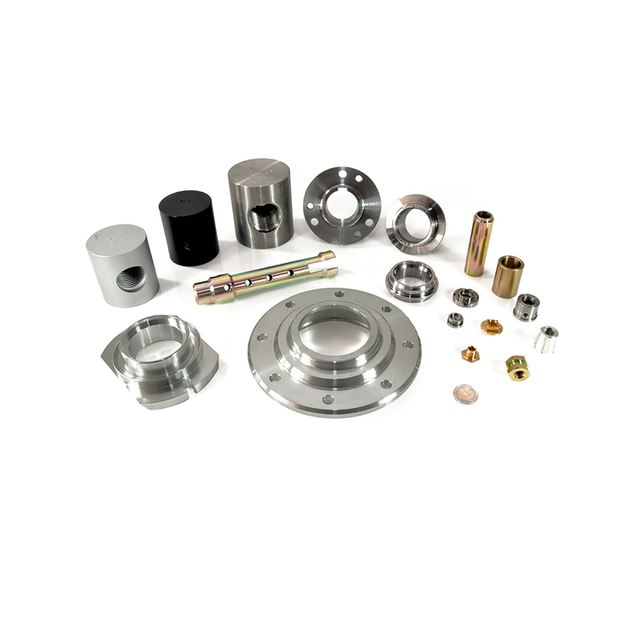
- Material & Finishing Expertise: Can they source your specified material? Do they offer in-house secondary operations like anodizing, powder coating, passivation, or plating?
- Quality Control Infrastructure: This is the hallmark of a qualified supplier. Do they have a dedicated QC room? What measuring equipment do they use? Look for CMMs (Coordinate Measuring Machines), optical comparators, surface roughness testers, and digital calipers/micrometers. Ask if they provide First Article Inspection (FAI) reports with real measurement data (e.g., from a CMM) against your drawing.
- Communication & Professionalism:
- A qualified supplier will ask detailed questions about your drawing, material, and application. They will provide Design for Manufacturability (DFM) feedback—suggesting design tweaks to reduce cost or improve machinability without compromising function.
- Evaluate their responsiveness and the technical competence of their sales/engineering contact.
- The Request for Quotation (RFQ) Test:
- Send your complete technical package to 3-5 shortlisted suppliers.
- Analyze the quotes holistically: Don’t just pick the cheapest. Compare the breakdown, proposed processes, lead time, and payment terms. A very low quote can indicate corner-cutting on material quality, tooling, or inspection.
- The Factory Audit (Physical or Virtual):
- In-Person Visit: If possible, this is gold standard. Tour the facility. Look for organization, cleanliness (a clean shop often indicates good discipline), maintenance of machines, and skill of operators.
- Virtual Audit: Request a live video call tour. Ask to see the machine floor, QC department, and packaging area. Their willingness to do this is a strong positive signal.
Phase 4: Start with a Pilot Order
Before committing to a large or critical order, place a small, non-critical test order. This allows you to evaluate:
- Real-world Quality: Do the parts meet your dimensional and aesthetic specifications?
- Communication Flow: Are updates provided? Are issues communicated proactively?
- Logistics & Packaging: Is the packaging secure and professional?
- Documentation: Do they provide the promised inspection reports?
Key Red Flags to Avoid
- “Yes-Man” Attitude: A supplier who never questions your design or promises anything is likely inexperienced or dishonest.
- Lack of Transparency: Unwilling to share details about equipment, processes, or provide proper documentation.
- Poor Communication: Slow, vague, or unprofessional responses.
- No IP Protection: Refusal to sign a basic Non-Disclosure Agreement (NDA).
Conclusion: Building a Partnership
Finding a qualified CNC machining supplier in Shenzhen is an investment in time and due diligence. The goal is not to find the cheapest vendor, but to find a competent, transparent, and reliable long-term partner. A true partner will act as an extension of your engineering team, providing valuable DFM insights, ensuring consistent quality, and helping you navigate the complexities of manufacturing. By following this structured approach, you can confidently leverage Shenzhen’s immense manufacturing power to build higher-quality products, faster and more efficiently.