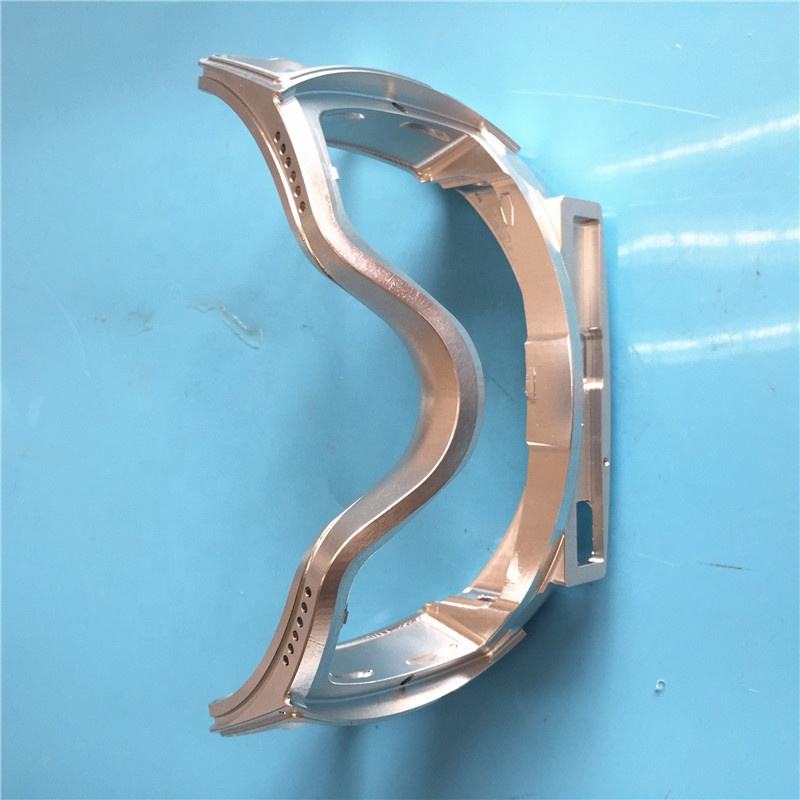
The CNC machining industry in China is a cornerstone of global manufacturing. Its major holidays—Chinese New Year (Spring Festival), National Day (Golden Week), and Labour Day—create significant ripple effects that directly impact project lead times for international clients. Unlike some industries, CNC machining’s reliance on skilled operators, multi-step processes, and complex logistics makes it particularly vulnerable to these disruptions.
1. Chinese New Year (Spring Festival) – The Most Significant Impact
- Production Halt: Factories typically close for 2 to 4 weeks. Skilled CNC operators and quality inspectors migrate to their hometowns, causing a complete production stop.
- Lead Time Impact: Lead times can extend by 3 to 6 weeks. A standard 2-week lead time can easily become 5-8 weeks.
- Pre-Holiday Production Peak & Chaos: The 3-4 weeks before the closure are a frantic rush. Factories operate at full capacity, leading to potential quality issues, communication delays, and difficulty getting quotes or order confirmations.
- Post-Holiday Slow Ramp-Up: Production does not resume immediately. The “return-to-work” rate is often slow, as some workers do not return or seek new jobs, leading to labor shortages and further delays.
2. National Day (Golden Week – Oct 1st)
- Production Halt: A one-week official closure, often extended by a few days.
- Lead Time Impact: Expect lead times to increase by 1.5 to 2 times. A project that takes 10 working days may require 15-20 working days.
- Production Peak: A noticeable rush occurs in the week leading up to the holiday as factories clear order backlogs.
3. Labour Day (May Day – May 1st)
- Production Halt: A shorter break, typically 3-5 days.
- Lead Time Impact: Lead times often extend by an additional 3-7 working days. While the shortest disruption, it can still clash with client project timelines if not planned for.
Compounded Effect on Logistics:
The production peak creates a massive surge in demand for freight services (air and sea). This leads to:
- Capacity Shortages: All available cargo space gets booked quickly.
- Port Congestion: Increased shipment volumes cause delays at Chinese ports.
- Rising Shipping Costs: Freight rates often spike due to high demand before holidays.
- Logistical Blackout: Once the holidays begin, freight forwarders, customs brokers, and port offices also operate with a skeleton crew or close entirely, halting all shipping documentation and movements.
Strategies for Clients to Control Risk and Avoid Delays
To navigate these disruptions, clients must be proactive. Here’s how to manage the risks associated with production peaks and logistical shutdowns.
1. Advanced Planning and Order Placement (The Most Critical Step)
- Forecast and Order Early: Initiate your CNC projects 4-5 weeks earlier than your normal schedule for Chinese New Year, and 2-3 weeks earlier for National Day and Labour Day.
- Map the Timeline Backwards: Start from your final project deadline and work backward, accounting for the extended production lead time, the pre-holiday freight rush, and the shipping transit time.
2. Proactive and Detailed Communication with Your Supplier
- Formally Request the Holiday Schedule: Ask your CNC supplier for their exact:
- Last date for accepting new orders to be completed before the holiday.
- Last date for production to be finished.
- Last date for shipping documentation and cargo pickup.
- Confirm Material Availability: Ensure all raw materials (aluminum, steel, titanium, etc.) are physically in stock at the factory before the pre-holiday rush begins to avoid material supplier delays.
- Get a Pre-Holiday Commitment: Secure a confirmed production schedule and completion date from your supplier before the chaos ensues.
3. Strategic Supplier Management
- Diversify Your Supply Base: Partner with CNC machining suppliers in different regions of China or, ideally, in different countries (e.g., Southeast Asia, Eastern Europe, or local on-demand services). This provides a crucial backup if your primary supplier is severely impacted.
- Build Strong Relationships: Long-term, high-value partners are more likely to prioritize your order during the pre-holiday crunch and give you honest assessments of their capacity.
- Audit Their Labor Stability: Inquire about their worker retention plans and bonus structures for after the holiday, which can indicate a smoother post-holiday restart.
4. Navigate Production and Logistics Peaks Smartly
- Avoid the Last-Minute Shipping Rush: If you cannot get your order produced early, a highly effective strategy is to have the factory complete production and hold the finished goods until after the holiday. You can then ship once the logistical chaos has subsided. This avoids premium freight costs and port delays.
- Pre-Book Freight Capacity: If you must ship during the peak, work with your freight forwarder to pre-book air or sea cargo space well in advance.
- Consider Alternative Ports/Routes: Discuss with your supplier if using less congested ports or land routes is a feasible option for your shipment.
5. Leverage Technology and Flexible Manufacturing Models
- Use On-Demand Manufacturing Platforms: Platforms like Xometry, Protolabs, or Hubs have distributed global networks. They can automatically route your CNC machining orders to facilities outside China during holiday periods, offering more stable lead times.
- Implement Real-Time Project Tracking: Use shared project management tools to monitor your order’s progress daily as the holiday approaches, allowing for quick intervention if needed.
Summary for Clients
For the CNC machining supplier, the Chinese holiday impact is not just about the factory being closed; it’s about the severe congestion in the entire ecosystem—from the machine shop floor to the port.
The key to success is treating these holidays as predictable annual events and building a robust mitigation strategy around them. By planning orders far in advance, maintaining transparent communication with your supplier about key dates, and having flexible logistics and sourcing options, you can effectively de-risk your supply chain and prevent costly project delays.