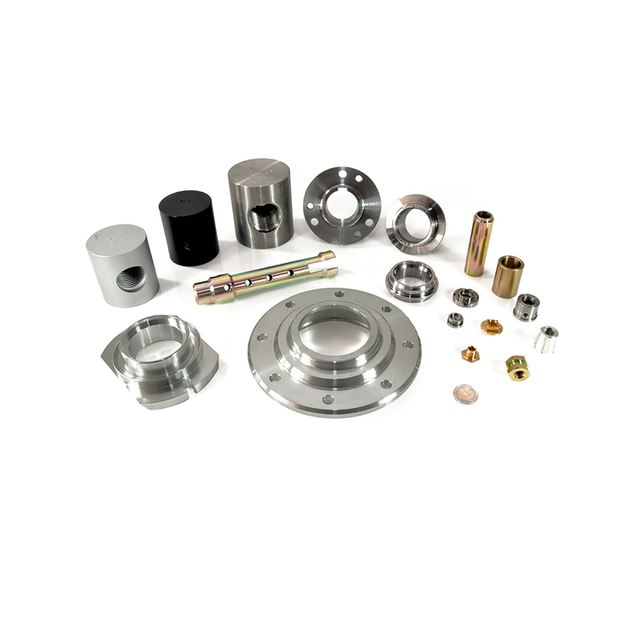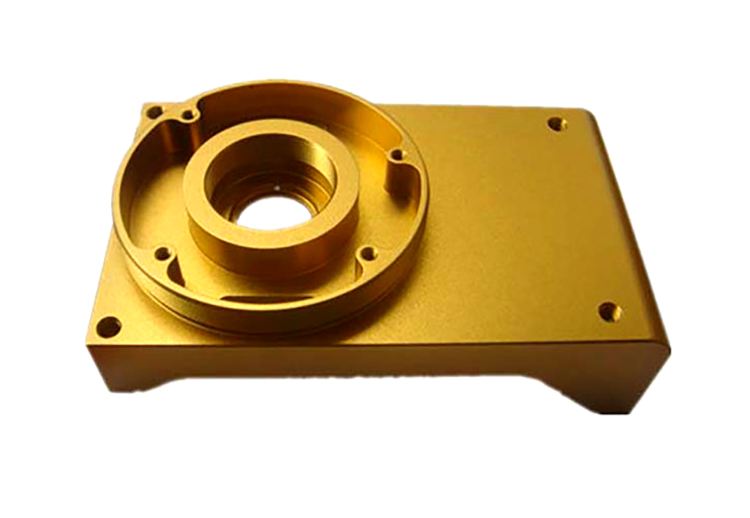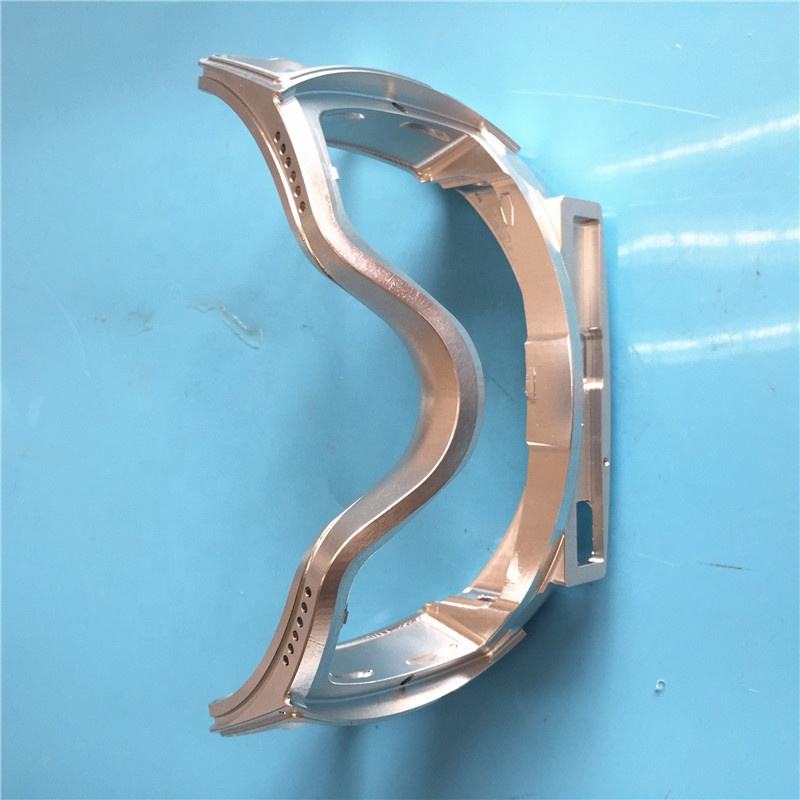
Computer Numerical Control (CNC) machining is a subtractive manufacturing process where pre-programmed computer software dictates the movement of factory tools and machinery. It involves removing material from a solid block (or billet)—such as metal, plastic, or composite—using cutting tools to produce a custom-designed part with extremely high precision.
In the world of automotive customization, CNC machining is synonymous with quality, strength, and exclusivity. It is the go-to method for creating high-performance, functional, and visually stunning parts where material properties and exact tolerances are critical.
Applications of CNC Machining in Automotive Customization
CNC machining is incredibly versatile and is used to create a vast array of custom components:
- Performance Parts: This is where CNC truly shines. Parts are machined from high-strength materials to handle extreme stress and heat.
- Engine Bay: Custom intake manifolds, throttle bodies, valve covers, pulley systems, turbocharger housings, and intercooler end tanks.
- Drivetrain: Sequential shifter assemblies, differential covers, drive shafts, and transmission components.
- Suspension & Braking: Aluminum suspension control arms, knuckles, coilover components, and lightweight brake caliper brackets and hats for two-piece rotors.
- Exterior Components: For creating unique and durable aesthetic pieces.
- Custom grilles, emblems, hood vents, side mirror housings, and bespoke body kits (often from billet aluminum or carbon composite blocks).
- Precise mounting brackets for wings and splitters.
- Interior Components: For a high-end, driver-focused cockpit.
- Personalized gear shift knobs, pedal sets, handbrake handles, and dashboard panels.
- Custom speaker housings and enclosures.
- Wheels: Many high-end custom and performance wheels are CNC-machined from a solid forged aluminum billet, making them incredibly strong and lightweight.
Key Advantages & Characteristics of CNC Machining
- Exceptional Strength and Material Integrity: Unlike additive processes, CNC parts are carved from a solid billet of material, which has superior and predictable mechanical properties (e.g., strength, fatigue resistance) compared to cast or printed parts. This is non-negotiable for safety-critical components.
- Unmatched Precision and Tolerances: CNC machining offers extremely tight tolerances (±0.025mm or better). This ensures perfect fitment, crucial for engine components, drivetrain parts, and ensuring panels align correctly on the body.
- Superior Surface Finish: While secondary finishing is often applied, a CNC-machined part straight off the machine has an excellent surface quality that is often smoother than 3D-printed parts.
- Material Versatility: CNC machines can process a huge range of materials, from various grades of aluminum (6061, 7075), stainless steel, and titanium to engineering plastics like Delrin (POM) and Nylon. This allows customizers to choose the perfect material for strength, weight, or heat resistance.
- Durability and Performance: Machined parts can withstand the high temperatures, vibrations, and stresses found in performance and racing environments, making them the standard for serious automotive改装 (gǎizhuāng – modification).
Corresponding Surface Finishing Treatments
Surface finishing is an essential post-processing step for CNC-machined parts. It enhances appearance, improves durability, and can add functional properties.
Common Surface Finishes & Their Applications:
- Deburring/Polishing/Sanding:
- Process: Manually or mechanically removing tool marks and sharp edges to create a smooth surface.
- Application & Advantage: The essential first step. Creates a flawless base for anodizing or painting. A hand-polished aluminum part to a “mirror finish” is a hallmark of high-end engine bays.
- Bead Blasting (Media Blasting):
- Process: Propelling fine glass or ceramic beads at the surface to create a uniform, matte, satin texture.
- Application & Advantage: Used for a premium, non-reflective, matte finish on aluminum parts (e.g., intake manifolds, valve covers). Excellent for hiding minor imperfections and providing a consistent look.
- Anodizing (Type II & Type III Hardcoat):
- Process: An electrochemical process that thickens the part’s natural oxide layer, making it extremely hard, corrosion-resistant, and able to absorb dye for color.
- Application & Advantage: Extremely popular in car customization. Used on aluminum parts for vibrant colors (blue, red, gold) or a durable clear/silver finish. Hardcoat anodizing adds significant wear resistance. It’s durable and doesn’t peel like paint.
- Powder Coating:
- Process: A dry powder is electrostatically applied to a part and then cured under heat to form a hard, durable skin.
- Application & Advantage: Used on both aluminum and steel parts for a thick, consistent, and durable color finish. Offers a wider color and texture range (e.g., gloss, matte, metallic, wrinkle) than anodizing. Common for engine parts, brackets, and suspension components.
- Ceramic Coating:
- Process: Applying a thin layer of ceramic material to a part, often used on exhaust components.
- Application & Advantage: Applied to headers and turbo housings. It reduces heat radiation (keeping engine bay temps down), prevents corrosion, and can be used for a cosmetic black or silver finish.
- Plating (Chrome, Nickel, Zinc):
- Process: Depositing a thin layer of metal onto the part’s surface.
- Application & Advantage: Chrome plating is used for a classic, show-car shine on steel parts (e.g., bolts, brackets). Nickel plating offers a durable, corrosion-resistant finish with a slightly yellow hue. Zinc plating is common for corrosion protection on fasteners.
In summary, CNC machining provides the structural foundation for high-performance, precision custom parts, while surface finishing provides the final aesthetic touch and enhanced durability. Together, they form an indispensable combination for professional automotive customizers, allowing them to create parts that are not only visually stunning but also capable of meeting the extreme demands of performance driving.