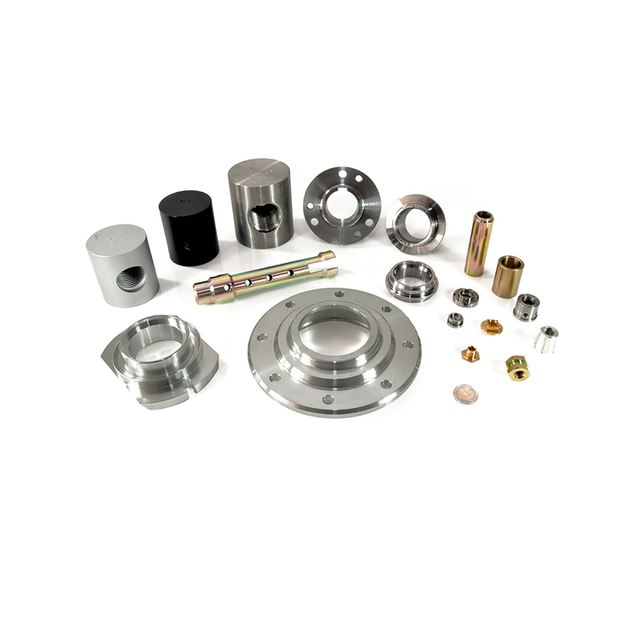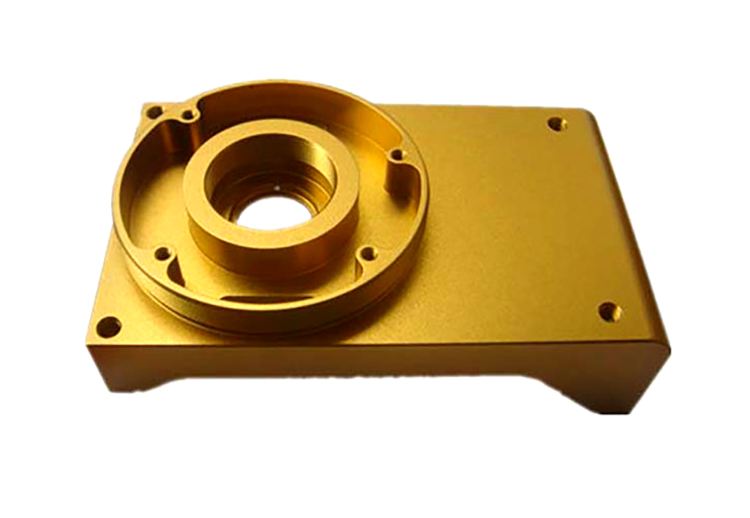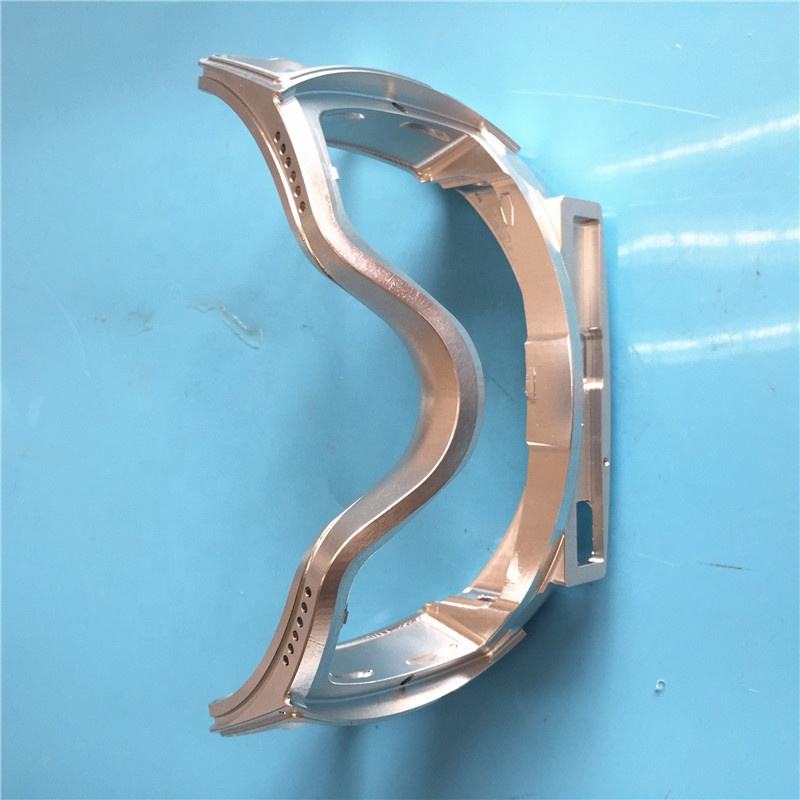
Choosing the right material is fundamental to the success of any CNC machined part. The decision between POM (Polyoxymethylene/Acetal), Aluminum, and Steel hinges on balancing the functional requirements of your product with factors like cost, weight, and manufacturability.
Here’s a detailed breakdown to guide your selection.
1. POM (Polyoxymethylene / Acetal) – The High-Performance Engineering Plastic
- Key Characteristics: Excellent stiffness, low friction, high dimensional stability, and outstanding wear resistance. It’s known for its “clean” machinability and self-lubricating properties.
- Strengths:
- Low Friction & Self-Lubricating: Ideal for parts that slide or rotate against each other without external lubricants.
- Excellent Machinability: Produces sharp edges and a very smooth surface finish with minimal post-processing. It is easy on cutting tools.
- Good Chemical Resistance: Resists most solvents, oils, and fuels.
- Low Moisture Absorption: Maintains dimensions in humid environments.
- Weaknesses:
- Low Heat Resistance: Softens and loses structural integrity above ~90°C (194°F).
- Low Impact Strength: Can be brittle compared to metals; not suitable for high-impact applications.
- Poor UV Resistance: Not recommended for prolonged outdoor use unless stabilized.
- Ideal For:
- Wear Parts: Gears, bearings, bushings, sliders, and guides.
- Precision Mechanical Components: Insulating parts, conveyor system components, and jigs & fixtures requiring low friction.
- Food and Medical Applications: (In FDA-compliant grades) for parts like housing and valves.
- Think POM when your priority is: Low friction, quiet operation, and high precision without lubrication.
2. Aluminum – The Lightweight All-Rounder
- Key Characteristics: A fantastic strength-to-weight ratio, good strength, excellent thermal and electrical conductivity, and natural corrosion resistance (which can be enhanced).
- Strengths:
- Lightweight & Strong: Crucial for aerospace, automotive, and consumer electronics where weight savings are critical.
- Excellent Machinability: Cuts easily and quickly, allowing for high material removal rates. This often translates to lower machining costs and faster lead times.
- Superb Corrosion Resistance: Forms a protective oxide layer; anodizing can dramatically improve surface hardness and corrosion resistance.
- Good Thermal Conductivity: Perfect for heat sinks, cooling plates, and electronic enclosures.
- Weaknesses:
- Lower Strength than Steel: Not suitable for applications requiring extreme load-bearing capacity or resistance to permanent deformation.
- Lower Hardness: More prone to scratching and wear than steel.
- Melting Point: Lower than steel, limiting high-temperature applications.
- Ideal For:
- Structural Frames & Housings: UAV/drone arms, automotive chassis, machine frames, and electronic enclosures.
- Heat Dissipation Components: Heat sinks, cold plates.
- Consumer Products: Camera bodies, smartphone cases, and sporting goods where aesthetics and weight matter.
- Think Aluminum when your priority is: Light weight, good strength, fast machining, and excellent heat dissipation.
3. Steel – The King of Strength and Durability
- Key Characteristics: Extremely high strength, hardness, and wear resistance. It’s the go-to material for enduring heavy loads and harsh conditions.
- Strengths:
- Exceptional Strength & Hardness: Withstands high stress, impact, and heavy loads without deforming.
- High Wear Resistance: Ideal for parts in constant contact. Tool steels can be heat-treated for extreme surface hardness.
- High Temperature Performance: Maintains its properties at elevated temperatures where aluminum and POM would fail.
- Variety: Available in many alloys (e.g., 1045, 4140, Stainless 304/316, Tool Steels) to fine-tune properties like corrosion resistance, machinability, and strength.
- Weaknesses:
- Heavy: High density makes it unsuitable for weight-sensitive applications.
- Challenging Machinability: Generally harder and slower to machine than Al or POM, leading to higher machining costs and longer cycle times. It also causes more tool wear.
- Prone to Corrosion: (Except for stainless steels) Requires plating, painting, or other coatings to prevent rust.
- Ideal For:
- High-Stress Components: Shafts, heavy-duty gears, tool holders, and hydraulic parts.
- Molds and Dies: Injection mold cores/cavities, stamping dies.
- Cutting Tools: Blades and machine tool cutters.
- Parts for Harsh Environments: (Stainless Steel) Medical instruments, food processing equipment, and marine components.
- Think Steel when your priority is: Ultimate strength, durability, wear resistance, and performance under high load or high temperature.
Decision-Making Summary Table
| Parameter | POM | Aluminum | Steel |
|---|---|---|---|
| Primary Strength | Low Friction, Wear | Strength-to-Weight Ratio | Ultimate Strength & Hardness |
| Weight | Light | Very Light | Heavy |
| Cost (Machining) | Low | Low to Medium | Medium to High |
| Heat Resistance | Poor | Good | Excellent |
| Corrosion Resistance | Good | Very Good (esp. anodized) | Poor (except Stainless) |
| Typical Applications | Gears, Bushings | Housings, Frames, Heat Sinks | Tools, Shafts, Molds, High-Stress Parts |
How to Choose: Ask These Questions
- What is the primary function of the part?
- Sliding/Wear with no lube? -> POM
- Structural, needing light weight? -> Aluminum
- Structural, needing maximum strength? -> Steel
- What are the operating environment conditions?
- High Temperature? -> Steel
- Corrosive? -> Stainless Steel or Anodized Aluminum
- Normal/Indoor? -> All three are candidates.
- What are your budget and timeline constraints?
- Tight budget/rapid prototyping? -> POM or Aluminum (faster, cheaper machining).
- Is weight a critical factor?
- Yes -> Aluminum (or POM for non-structural parts).
- No -> Steel becomes a strong contender.
By systematically evaluating your product’s requirements against the core properties of these three material families, you can make an optimal and cost-effective choice for your CNC machining parts.