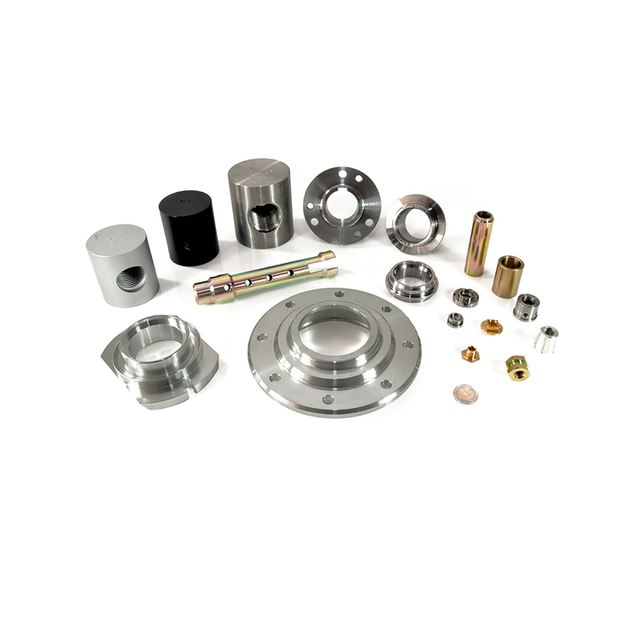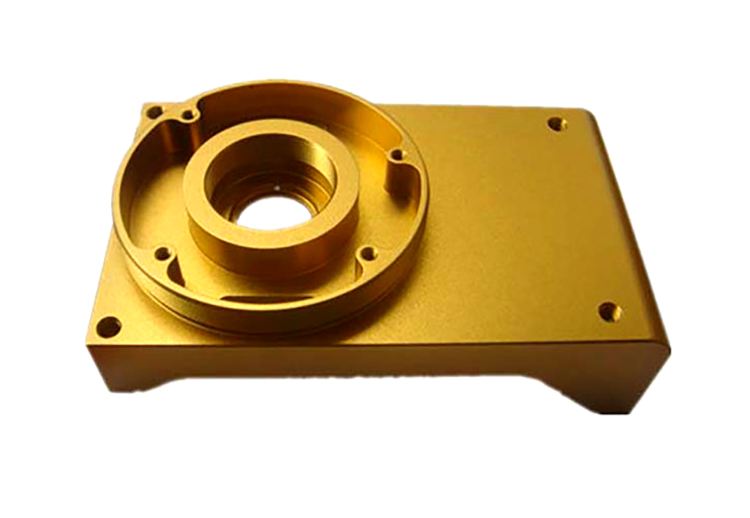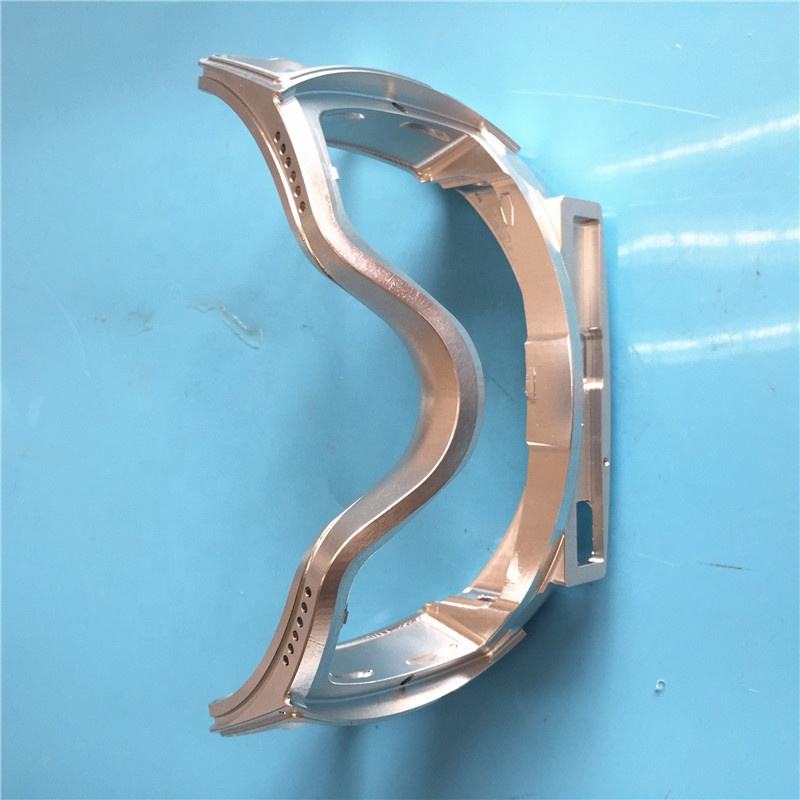
Aluminum is the most commonly machined material in the world, prized for its excellent strength-to-weight ratio, good corrosion resistance, outstanding thermal and electrical conductivity, and superior machinability. CNC machining Aluminum is a subtractive manufacturing process that is ideal for creating high-strength, high-precision, and smooth-surface finished parts from aluminum stock.
1. Common Aluminum Alloys in CNC Machining
The choice of alloy is critical and depends on the application’s requirements for strength, machinability, corrosion resistance, and weldability.
| Alloy | Key Characteristics & Typical Applications |
|---|---|
| 6061 | The Universal Workhorse. This is the most widely used aluminum alloy. It offers an excellent balance of strength, weldability, corrosion resistance, and machinability. It is heat-treatable (T6 condition) to enhance its strength. Applications: Automotive parts, bicycle frames, structural components, brackets, housings, and consumer products. |
| 7075 | High-Strength Champion. Known for its very high strength, which is comparable to many steels. It is primarily used in high-stress applications. However, it has lower corrosion resistance than 6061 and is not considered weldable. Applications: Aerospace components, high-performance automotive and bicycle parts, mold tools, and military equipment. |
| 2024 | Shear Strength & Fatigue Resistance. One of the highest-strength alloys available, with excellent fatigue resistance. Its machinability in the T3 temper is exceptional. Its main drawback is very poor corrosion resistance, requiring a protective coating (like anodizing or paint) for most environments. Applications: Aerospace structures, truck wheels, and structural components where high shear strength is needed. |
| 6082 | The European Equivalent to 6061. The most common alloy in Europe, with properties almost identical to 6061. It has a slightly higher silicon content, which can make it marginally easier to machine. Applications: Same as 6061—general purpose machining, structural work. |
| 5052 | Excellent Corrosion Resistance. As a non-heat-treatable alloy, it has good strength and outstanding resistance to salt water corrosion. It has excellent formability and is often used in sheet metal work, but it is also readily machinable. Applications: Marine hardware, electronic chassis, and panels. |
| MIC-6 & Similar Cast Tooling Plate | Stress-Relieved for Stability. These are precision-ground cast aluminum plates. They are manufactured to be exceptionally flat and stress-relieved, which prevents warping during machining. They have a fine-grained structure that allows for superb surface finishes. Applications: Jigs, fixtures, mold bases, and any part requiring high dimensional stability and flatness. |
2. Characteristics of Machining Aluminum
Machining aluminum is generally fast and efficient, but it requires specific strategies to achieve optimal results.
- High Machinability: Aluminum is relatively soft, allowing for very high cutting speeds (SFM) and feed rates. This results in shorter cycle times, high productivity, and longer tool life compared to harder materials like steel.
- Chip Control: Aluminum tends to form long, stringy chips that can wrap around tools and interfere with the machining process. Using tools with sharp cutting edges and specialized chip breakers is crucial for effective chip evacuation.
- Built-Up Edge (BUE): The softness of aluminum can cause it to weld to the cutting tool’s edge, forming a Built-Up Edge. This degrades surface finish and can lead to tool failure. This is mitigated by using sharp tools with polished flutes, high surface speeds, and appropriate coolants.
- Thermal Conductivity: Aluminum dissipates heat very well. However, heat can concentrate at the cutting tool tip. The use of coolant is essential not only for cooling but also for lubricating the cut, flushing away chips, and preventing BUE, thereby achieving tight tolerances and a fine surface finish.
- Gummy Behavior: Some alloys or tempers (like annealed 6061) can feel “gummy” during machining. This is alleviated by using tools with a high positive rake angle and ensuring the material is in a T6 or T651 temper for optimal chip formation.
3. Characteristics of Surface Finishing for Machined Aluminum
Surface finishes are applied to improve appearance, enhance functionality, increase corrosion or wear resistance, or prepare the part for further operations.
| Finishing Process | Characteristics & Purpose |
|---|---|
| As-Machined | The part is used directly off the machine. It offers the fastest turnaround and lowest cost. Surface finish depends on machining parameters (feed, speed, tool path) and can show visible tool marks. No additional corrosion protection. |
| Bead Blasting | Aesthetic & Prep. Propels fine glass beads to create a uniform, matte, satin finish. Excellent for hiding tool marks and providing a consistent, non-reflective appearance. Often used as a pre-treatment for anodizing. |
| Anodizing (Type II) | Corrosion & Wear Resistance. An electrochemical process that creates a hard, porous, and durable aluminum oxide layer. The pores can be dyed in various colors (black, red, blue, etc.) and then sealed. Provides good corrosion and abrasion resistance while being electrically insulating. |
| Hard Anodizing (Type III) | Extreme Durability. Creates a much thicker and harder coating than Type II. It offers superior abrasion resistance, often exceeding that of tool steel. Used for high-wear components. The coating is typically dark gray or black and adds significant thickness, which must be accounted for in tolerances (machining allowance). |
| Powder Coating | Durable & Decorative. A dry powder is electrostatically applied and then heat-cured into a thick, hard, and durable polymer layer. It provides excellent corrosion resistance and is available in an almost unlimited range of colors and textures (gloss, matte, metallic, wrinkle). More impact-resistant than paint. |
| Chemical Film / Chromate Conversion (Alodine) | Electrical Conductivity & Paint Adhesion. Creates a thin, conductive conversion coating that provides good corrosion resistance. It is gold or greenish in color and is widely used in the aerospace and electronics industries as a primer for paint and to maintain electrical conductivity for grounding. |
| Polishing & Buffing | High Gloss & Reflectivity. A multi-step mechanical process using progressively finer abrasives to achieve a mirror-like finish. It is labor-intensive but produces the highest reflectivity and smoothness for aesthetic or optical components. |
Summary
- Material Choice: 6061 is the default for most applications due to its balance of properties. 7075 is selected for maximum strength, and 2024 for high fatigue resistance in aerospace. MIC-6 is chosen for stability in precision tooling.
- Machining Aluminum: Characterized by high speeds and feeds, requiring sharp tools and effective coolant and chip management to prevent Built-Up Edge and achieve superior surface finishes.
- Surface Finishing: Anodizing is the most common functional finish, enhancing corrosion and wear resistance. Powder Coating offers the best durability and color options for enclosures. The choice is driven by the part’s functional, aesthetic, and environmental requirements.