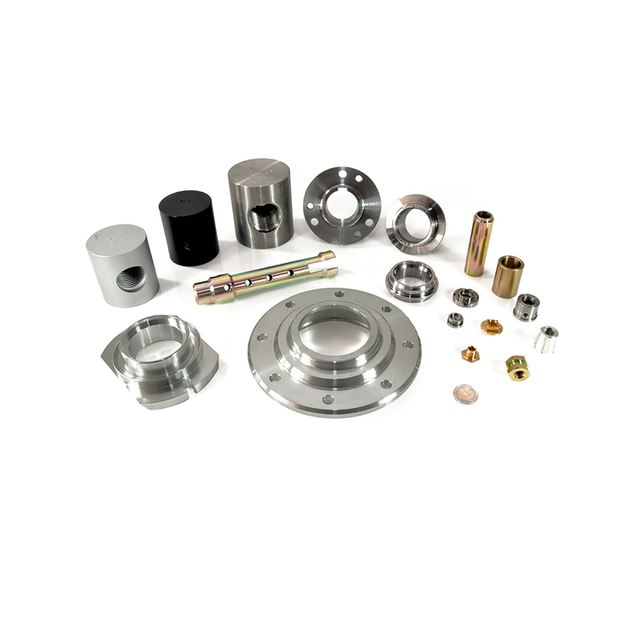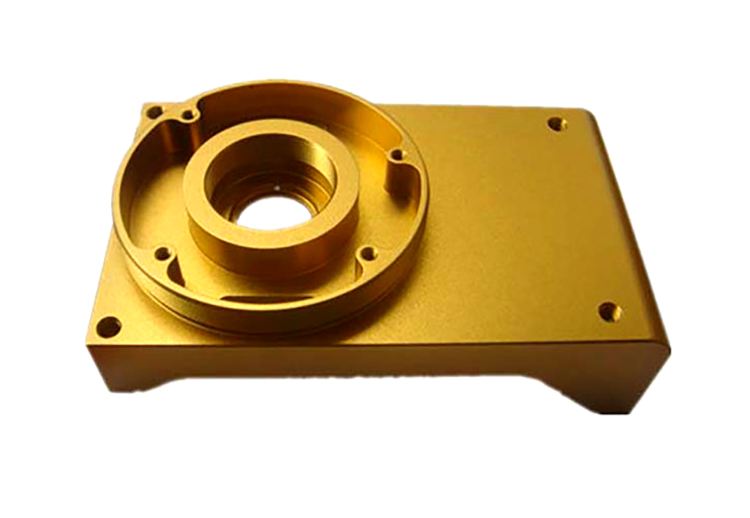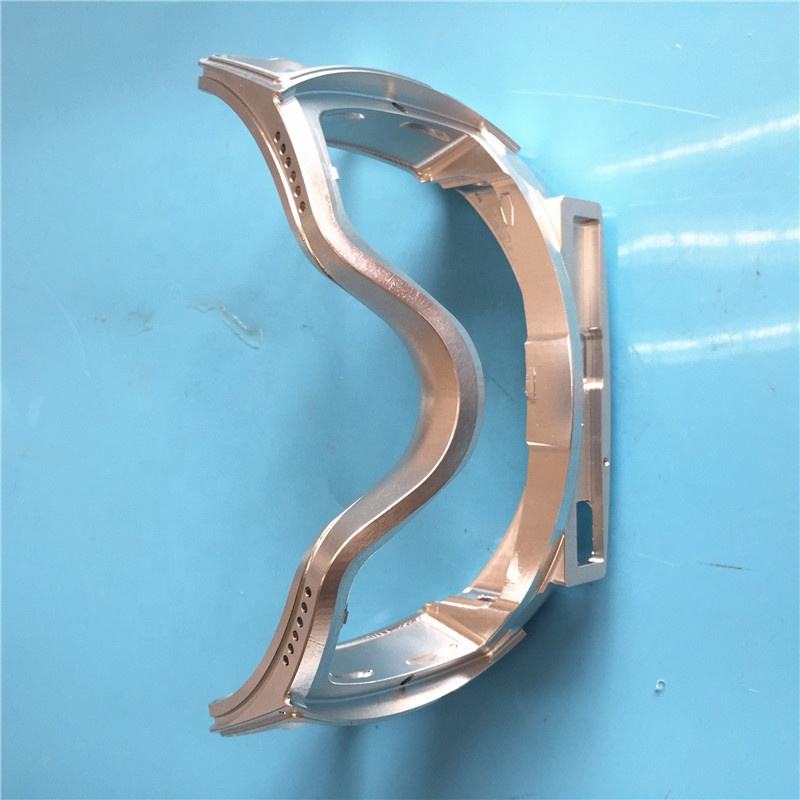
AISI 1010 is a low-carbon steel known for its excellent ductility and formability. However, its low carbon content also makes it relatively soft and, from a finishing perspective, highly susceptible to corrosion (rust). CNC machining processes like milling and turning create a precise part but also leave a surface condition that directly impacts the quality of subsequent powder coating.
The primary goal of powder coating is to create a durable, protective, and aesthetic layer. Failures often occur due to the interplay between the CNC-machined surface, the chemical properties of 1010 steel, and the powder coating process.
Common Problems and Their Root Causes
Here are the most frequent issues that arise when powder coating CNC machined AISI 1010 parts:
1. Poor Adhesion and Coating Delamination
- Problem: The powder coating chips, peels, or fails to adhere properly to the metal surface.
- Root Causes:
- Surface Contamination: This is the most common cause. Oils, greases, and coolants used during CNC machining can remain on the part surface. If not thoroughly removed, they create a barrier that prevents the powder from bonding to the metal.
- Rust (Oxidation): AISI 1010 rusts very quickly when exposed to moisture. Even invisible, microscopic surface rust (often called “flash rust”) after pre-treatment will severely compromise adhesion.
- Inadequate Surface Profile: A perfectly smooth, mirror-like surface from fine CNC finishing offers little mechanical “tooth” for the coating to grip onto.
2. Outgassing (Blisters, Pinholes, Craters)
- Problem: Small blisters, pinholes, or craters appear in the cured coating, creating an uneven, defective finish.
- Root Causes:
- Trapped Moisture or Volatiles: If the part is not completely dry after the pre-treatment washing stages, trapped water vapor expands during the high-temperature cure cycle (typically 180-200°C / 360-390°F), bursting through the coating.
- Porosity in the Metal: While less common with 1010, machining can sometimes “smear” the metal surface, trapping microscopic pockets of air or coolant that later expand and cause outgassing.
3. Corrosion (Rust) Bleeding Through
- Problem: Red-brown rust spots appear on the surface of the coated part, often starting at edges or pores.
- Root Causes:
- Incomplete Cleaning: Salt, fingerprints, or other corrosive contaminants left on the surface before coating can continue to attack the steel underneath the polymer layer.
- Coating Thinness at Edges: The powder coating has a natural tendency to pull away from sharp edges due to the Faraday cage effect during application, leaving those areas thin and unprotected. CNC machined parts often have defined, sharp edges, making them vulnerable.
4. Inconsistent Coating Thickness and Coverage
- Problem: The coating is too thick in recessed areas and too thin on edges or complex geometries.
- Root Cause:
- Faraday Cage Effect: During the electrostatic application, complex CNC-machined features like deep bores, tight corners, and internal threads can create a Faraday cage, preventing the charged powder particles from reaching and evenly coating all surfaces.
Avoidance and Solution Strategies
A proactive approach focusing on pre-treatment and process control is key to success.
1. Comprehensive Pre-Treatment (The Most Critical Step)
A robust, multi-stage pre-treatment process is non-negotiable for AISI 1010.
- Degreasing: Use an alkaline or acidic cleaner to thoroughly remove all CNC oils, coolants, and shop dirt. Ultrasonic cleaning can be highly effective for complex parts.
- Rinsing: Rinse with clean water to remove all cleaning chemicals.
- Derusting/Descaling: If any rust has formed, use a mild acid (like phosphoric acid) to remove it. For CNC parts, this is often a gentle process as heavy mill scale is not typically present.
- Surface Preparation (Key Step):
- Abrasive Blasting: This is the most effective method. Using a fine media (like aluminum oxide or glass bead) creates a uniform, anchor-shaped surface profile (e.g., Sa 2.5). This perfectly cleans the surface and provides an ideal mechanical key for adhesion.
- Chemical Conversion Coating: After cleaning, a phosphate conversion coating (e.g., iron or zinc phosphate) should be applied. This creates a microscopically crystalline, non-metallic layer that dramatically improves corrosion resistance and coating adhesion. This is the industry standard for high-quality finishes on steel.
- Final Rinsing and Drying: A final deionized water rinse prevents water spots. Parts must be completely dry before moving to the powder booth.
2. Design and Machining for Coating
- Break Sharp Edges: During CNC programming, specify a slight break (a small chamfer or radius, e.g., 0.5mm) on all sharp edges. This prevents coating pull-back and ensures better edge coverage.
- Control Surface Finish: If possible, specify a machined surface finish that is not a perfect mirror (e.g., a light bead blast or a specific toolpath pattern) to aid mechanical adhesion.
- Handle with Care: Implement clean handling procedures (using lint-free gloves) after machining and pre-treatment to prevent oil and salt contamination from hands.
3. Optimized Powder Coating Application
- Skilled Application: A trained operator understands how to maneuver the spray gun to coat complex geometries, varying the angle and distance to minimize the Faraday cage effect.
- Proper Grounding: Ensure the part is properly grounded to the rack. A poor ground leads to uneven attraction of the powder and poor coverage.
- Controlled Environment: Maintain a clean, temperature- and humidity-controlled powder coating booth to prevent contamination.
Summary Table: Problems & Solutions
| Problem | Root Cause | Solution |
|---|---|---|
| Poor Adhesion | Oils from machining, surface rust, smooth surface | Thorough degreasing, abrasive blasting, phosphate conversion coating. |
| Outgassing (Pinholes) | Trapped moisture or volatiles from machining | Ensure parts are 100% dry before coating; use pre-bake cycle if necessary. |
| Corrosion Bleeding | Contaminants under coating, thin edges | Proper pre-treatment, break sharp edges on CNC part, ensure full coverage. |
| Uneven Coverage | Faraday cage effect on complex features | Break sharp edges, skilled manual application, proper grounding. |
By treating the pre-treatment and part preparation with the same level of importance as the CNC machining itself, you can reliably achieve a high-quality, durable powder coat on AISI 1010 steel parts.