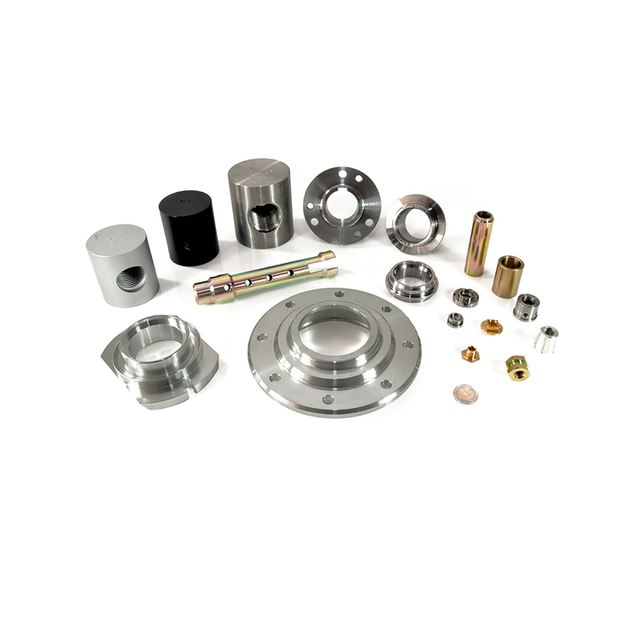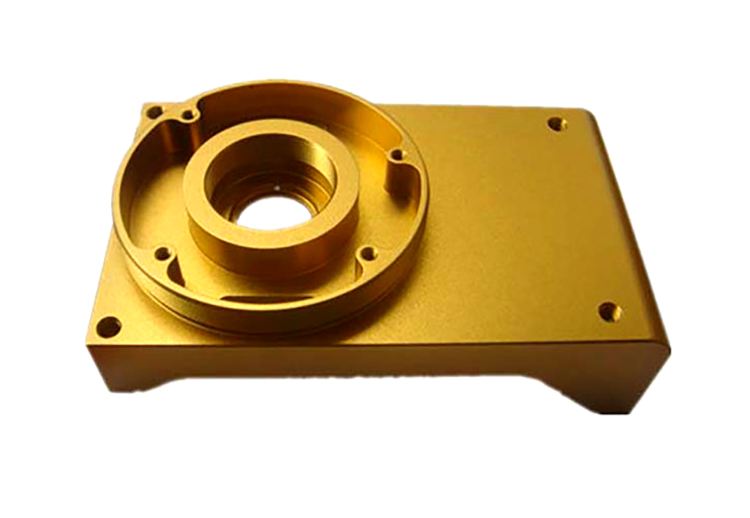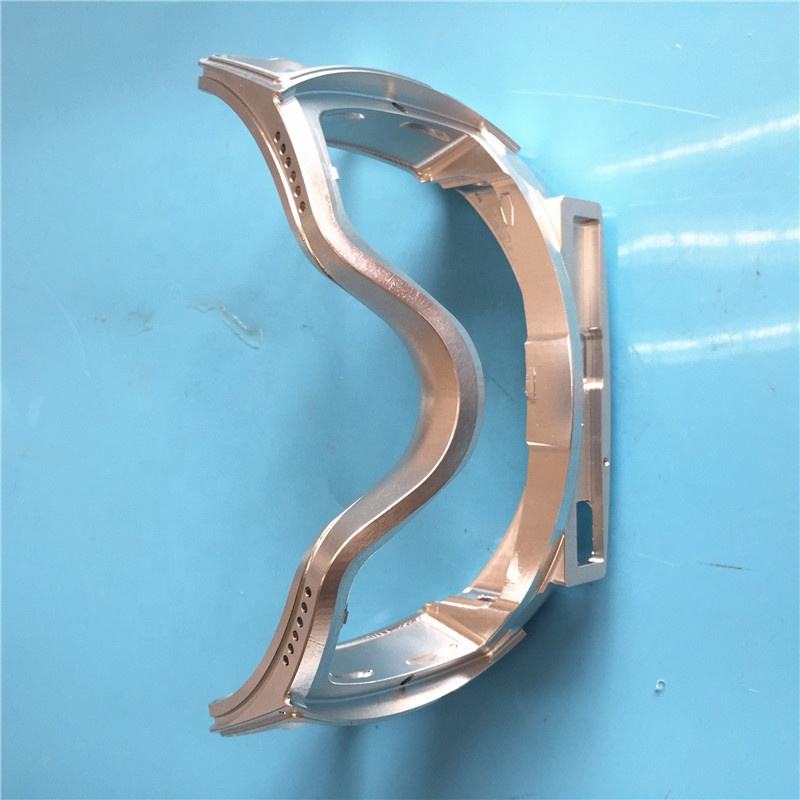
While CNC machining is a precise and reliable process, suppliers can make critical errors that impact cost, quality, and lead time.
1. Mistake: Inadequate Design for Manufacturability (DFM) Feedback
- The Error: The supplier machines the provided CAD file without question, even if the design has problematic features like impossibly sharp internal corners, very thin walls, or unnecessarily tight tolerances that drastically increase cost and time.
- How to Avoid:
- Supplier: Provide a formal, free DFM report before production, suggesting modifications (e.g., recommended corner radii, standard hole sizes) to optimize the part for machining.
- Client: Choose a supplier that proactively offers DFM analysis and be open to their expert suggestions.
2. Mistake: Poor Toolpath Strategy and Feeds/Speeds
- The Error: Using inefficient toolpaths or incorrect cutting speeds/feeds. This leads to premature tool wear, poor surface finish, long machining times, and even part damage.
- How to Avoid:
- Supplier: Invest in skilled CNC programmers and modern CAM software to optimize toolpaths for speed and quality. Use proven machining parameters for specific materials.
- Client: Ask about their programming and quality control process. A good finish and adherence to timelines are good indicators.
3. Mistake: Incorrect Material Handling and Setup
- The Error: Using worn or improper workholding (vises, fixtures) can cause the part to move during machining, resulting in scrapped parts and dimensional inaccuracy. Incorrect material selection is also a common error.
- How to Avoid:
- Supplier: Implement strict protocols for verifying material certifications and inspecting/workholding equipment. Use appropriate fixtures for complex parts.
- Client: Double-check the material certification provided and clearly specify the required grade/standard.
4. Mistake: Ineffective Quality Control (QC)
- The Error: Relying solely on the machine’s accuracy without in-process or post-process inspection. This results in shipping parts with out-of-tolerance dimensions.
- How to Avoid:
- Supplier: Implement a robust QC system using tools like CMMs, calipers, and surface testers. Provide a First Article Inspection (FAI) report upon request.
- Client: Clearly specify critical dimensions and tolerances on the drawing. For critical parts, always request an FAI report.
5. Mistake: Lack of Communication and Transparency
- The Error: Failing to communicate issues like potential delays, cost overruns, or design problems until it’s too late.
- How to Avoid:
- Supplier: Assign a project manager for clear communication. Provide updates proactively, especially if problems arise.
- Client: Select a supplier known for good communication. A transparent quote with a clear breakdown is a positive sign.
In summary,a successful CNC machining supplier is built on proactive communication, expert DFM, and a rigorous quality control process. Choosing a supplier that acts as a manufacturing consultant is key to avoiding these common pitfalls.