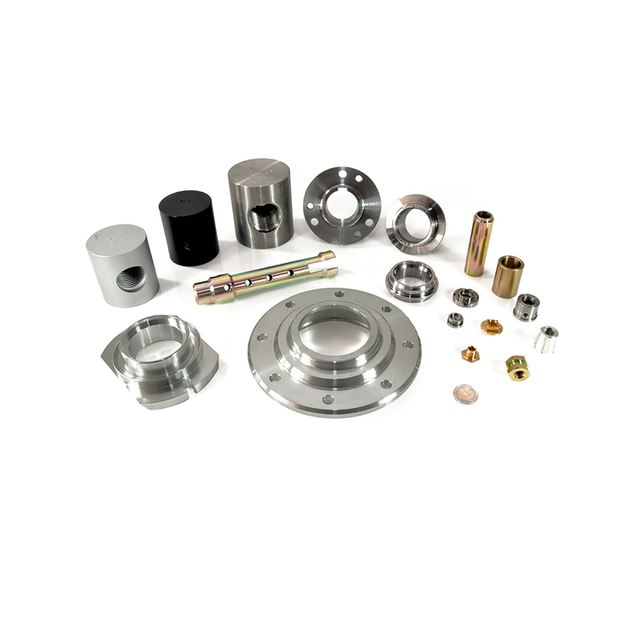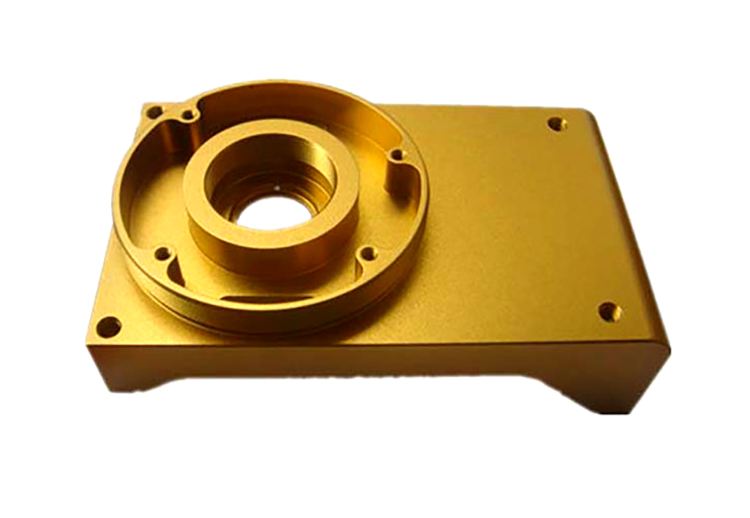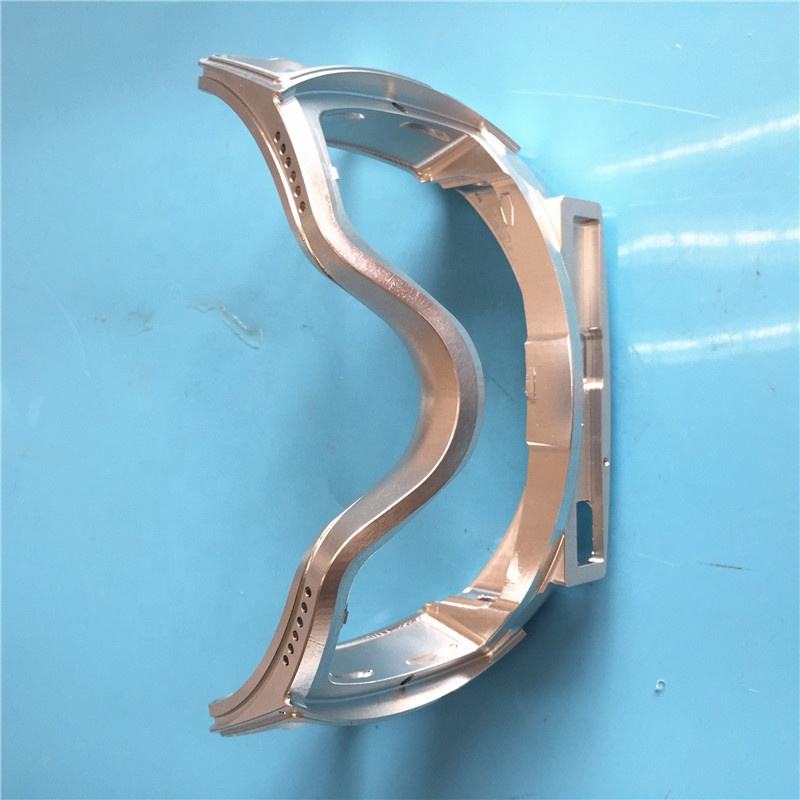
Aluminum 6061-T6/T651 is one of the most common alloys for CNC machining due to its excellent strength-to-weight ratio, good machinability, and weldability. However, its raw surface is soft and susceptible to corrosion and wear. Surface treatments are applied to enhance its properties.
Here are the differences between the requested processes:
1. Hard Anodizing vs. Standard Anodizing
Both are electrochemical processes that convert the aluminum surface into a durable, corrosion-resistant, anodic oxide layer. However, they differ significantly in their process and results.
| Feature | Standard Anodizing (Type II) | Hard Anodizing (Type III) |
|---|---|---|
| Primary Goal | Decorative finish, corrosion resistance, and color dyeing. | Extreme surface hardness and superior wear resistance. |
| Process | Performed in a sulfuric acid bath at room temperature or slightly above. Lower current density. | Uses a sulfuric acid bath at a much lower temperature (near 0°C / 32°F) and a higher current density. |
| Coating Thickness | Thin: Typically 5µm to 25µm (0.0002″ to 0.001″). | Thick: Typically 25µm to 75µm (0.001″ to 0.003″) or more. |
| Surface Hardness | Hard, but not exceptional. Similar to a hard tool steel. | Extremely hard. Comparable to 80+ Rockwell C, close to the hardness of a carbide. |
| Wear Resistance | Good for general use and handling. | Excellent. Used for high-wear components like pistons, gears, and valves. |
| Corrosion Resistance | Good protection for most environments. | Very Good to Excellent. The thicker coating provides a longer-lasting barrier. |
| Effect on Dimensions | Minimal change due to thin coating. | Significant. The thick coating adds substantial size. Critical for machined parts—dimensional allowances must be made during CNC programming. |
| Color/Appearance | Can be dyed in a wide variety of colors (black, red, blue, etc.). | Typically only available in dark gray, black, or bronze due to the thickness and process. Color is less consistent. |
| Electrical Insulation | Provides good electrical insulation. | Provides excellent electrical insulation due to the thick, non-conductive oxide layer. |
| Cost | Lower cost. | Higher cost due to more demanding process controls (refrigeration, higher energy use). |
Summary for CNC Parts:
- Use Standard Anodizing for cosmetic parts, general corrosion protection, and when color is important.
- Use Hard Anodizing for functional parts subject to abrasion, sliding friction, or requiring maximum surface hardness and durability. Remember to account for the added thickness in your design.
2. Powder Coating vs. E-Coat (Electrophoretic Coating)
These are both polymer coating processes that apply an organic layer on top of the metal, providing a different set of benefits compared to anodizing.
| Feature | Powder Coating | E-Coat (Electrocoating) |
|---|---|---|
| Process | A dry, electrostatically charged powder (polymer resin) is sprayed onto the part. The part is then baked in an oven, where the powder melts and cures into a continuous film. | The part is immersed in a water-based paint bath. An electric current is applied, causing the paint particles to migrate and deposit electrophoretically onto the part’s surface, forming a uniform film. The part is then baked to cure. |
| Coating Thickness | Can be varied widely: Typically 60µm to 120µm (0.002″ to 0.005″). | Very uniform and thin: Typically 15µm to 30µm (0.0006″ to 0.0012″). |
| Coverage & Uniformity | Good, but can struggle with complex geometries, deep recesses, and sharp edges due to the “Faraday cage” effect, causing thinner coverage in corners. | Exceptional. The electro-deposition process ensures a perfectly uniform coating, even on complex shapes, sharp edges, and inside recesses and blind holes. |
| Appearance & Texture | Wide range of colors, gloss levels, and special effects (metallic, wrinkle, hammer tone). Can have a slight “orange peel” texture. Can be very thick. | Typically a smooth, uniform finish with a high-gloss or semi-gloss appearance. Limited to simpler colors and a very smooth texture due to the thin film. |
| Properties | Excellent corrosion and impact resistance. Very durable and chemical-resistant. The thick layer provides a good barrier. | Excellent corrosion resistance due to uniform coverage. Good durability, but the thinner film is generally less impact-resistant than a thick powder coat. |
| Primer Requirement | Often applied directly to a pre-treated surface, but can be used over a primer for maximum performance. | The E-Coat process itself often functions as an excellent primer for a subsequent powder coat topcoat. |
| Common Use | Outdoor equipment, automotive wheels, consumer products, architectural aluminum—where a thick, durable, and decorative finish is needed. | Often used as a primer for automotive frames, appliances, and other products requiring maximum corrosion protection. Also used as a final finish where a thin, uniform coating is critical. |
Summary for CNC Parts:
- Use Powder Coating when you need a thick, highly durable, and decorative finish with a wide choice of colors and textures.
- Use E-Coat when you need superior, uniform corrosion protection on a complex part with tight tolerances, or as an ideal primer layer. It is less common as a standalone final finish for machined parts unless specified for its specific protective properties.
Quick Selection Guide for CNC Machined Aluminum 6061
- For Maximum Wear/Hardness: Hard Anodizing
- For Corrosion Resistance & Color (General Use): Standard Anodizing
- For a Thick, Durable, Decorative Plastic Layer: Powder Coating
- For Ultimate, Uniform Corrosion Protection on Complex Parts: E-Coat