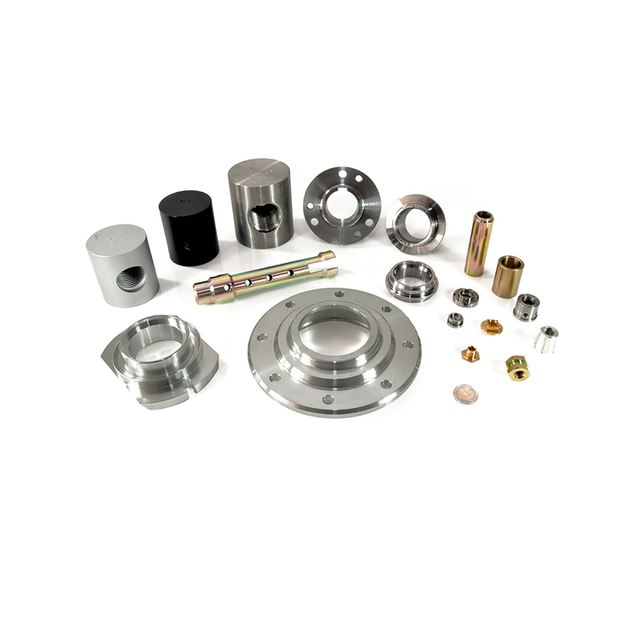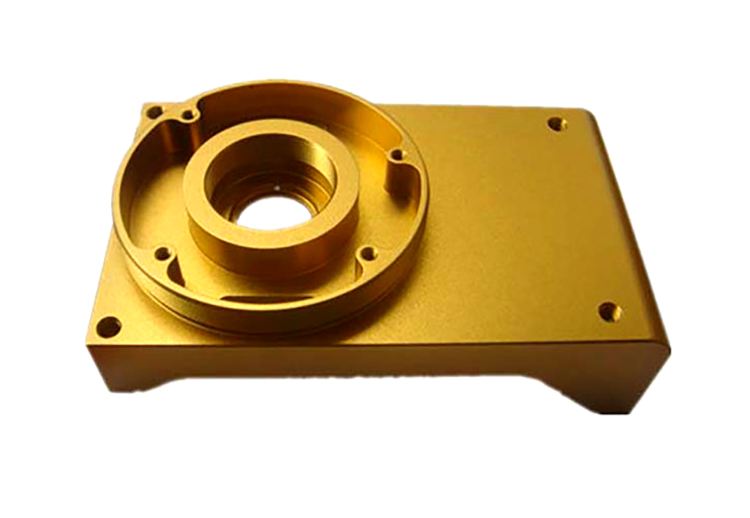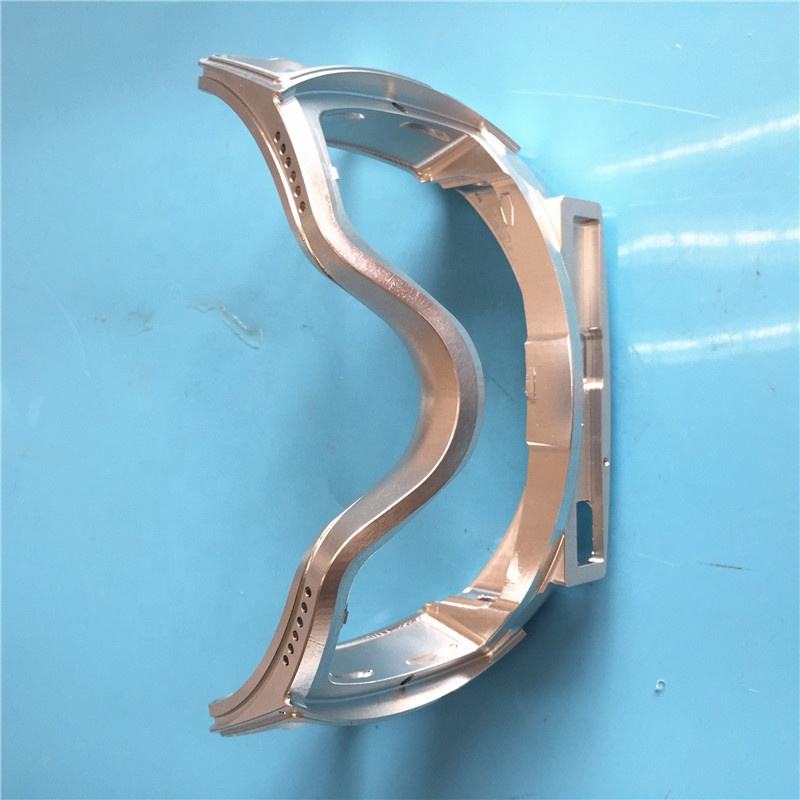
At PuKong CNC Machining, we specialize in manufacturing high-precision CNC-machined robot components with superior accuracy, durability, and surface finishes. Our advanced production process integrates CNC milling, turning, 3D printing, and post-processing treatments to meet the strictest industrial requirements. Below is a detailed step-by-step breakdown of how we produce robot parts:
1. Design & CNC Programming
Before machining begins, our engineering team analyzes the 3D CAD model (STEP, IGES, or SolidWorks files) to optimize the manufacturing approach.
- CAM Programming:
- We use Mastercam, Fusion 360, or PowerMill to generate G-code, defining toolpaths for CNC machines.
- Critical factors: Cutting speed, feed rate, tool selection, and coolant application.
- 3D Printing (for Prototyping or Fixtures):
- If a prototype is needed before mass production, we use SLA (resin) or SLS (nylon) for fast verification.
2. CNC Machining Process
(A) CNC Milling (3-Axis / 5-Axis)
Ideal for aluminum, stainless steel, titanium, and engineering plastics (PEEK, Delrin, ABS).
- Steps:
- Material Clamping: Securely fix the raw billet on the machine bed.
- Toolpath Execution: High-speed cutting with end mills, drills, and ball-nose cutters.
- Multi-Side Machining (5-Axis): Complex contours and deep cavities are machined without repositioning.
- Deburring: Manual or automated removal of sharp edges.
- Tolerance: ±0.02mm for critical dimensions.
(B) CNC Turning (Lathe Machining)
Used for cylindrical parts (shafts, bushings, connectors).
- Process:
- The workpiece rotates while a stationary cutting tool removes material.
- Secondary operations: Threading, grooving, knurling.
3. Post-Processing & Surface Finishing
(A) Sanding & Polishing
- Manual or robotic sanding for smooth surfaces.
- Mirror polishing for aesthetic parts.
(B) Painting & Coating
- Spray Painting: Automotive-grade paints (matte, glossy, textured).
- Powder Coating: Durable, corrosion-resistant finish.
(C) Electrochemical Treatments
- Anodizing (Aluminum Parts):
- Type II (standard) or Type III (hard coat) for wear resistance.
- Color options: Black, Red, Blue, Yellow,Gold,Purple,Clear.
- Electroplating:
- Nickel, Chrome, or Zinc plating for conductivity & corrosion protection.
(D) Laser Engraving / Marking
- Permanent labels for part numbers, logos, or QR codes.
4. Quality Control & Inspection
Every part undergoes strict verification:
- CMM (Coordinate Measuring Machine): Checks dimensional accuracy.
- Surface Roughness Test: Ensures smooth finishes.
- Hardness Test (for Metals): Verifies heat treatment results.
5. Packaging & Shipping
(A) Protective Packaging
- Anti-Scratch Wrapping: Foam inserts, bubble wrap, or vacuum-sealed bags.
- Custom Crates (for Heavy Parts): Wooden or metal boxes with cushioning.
(B) Logistics & Tracking
- Real-Time Tracking: Each order gets a DHL/UPS/FedEx tracking number.
- Shipping Documents: Commercial invoice, packing list, and material certifications (RoHS, ISO 9001).
Why Choose PuKong CNC Machining?
✅ Ultra-Precision: ±0.01mm tolerances achievable.
✅ Wide Material Selection: Metals, plastics, composites.
✅ Fast Turnaround: Prototypes in 3-5 days, production in 2-4 weeks.
✅ End-to-End Service: From CAD to doorstep delivery.
Contact us today for a competitive quote on your robot parts!
PuKong CNC Machining – Precision Engineered for Robotics.