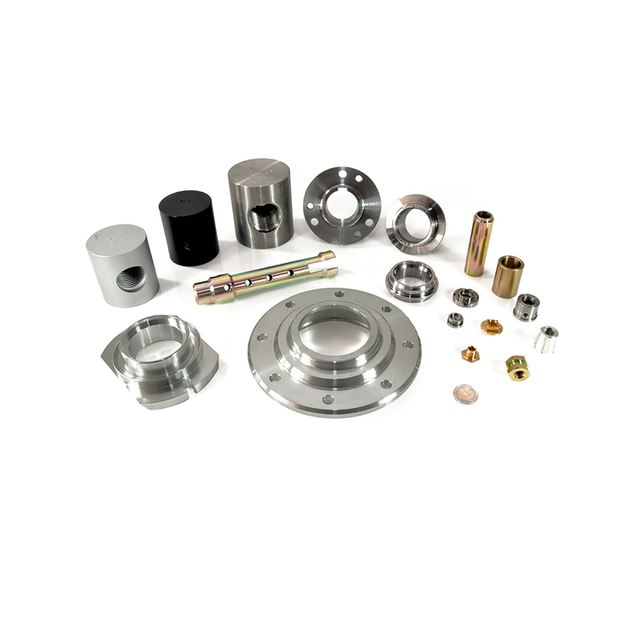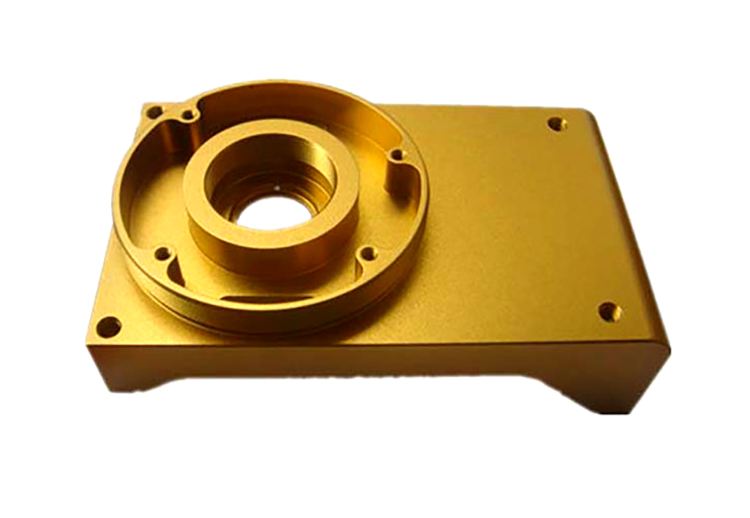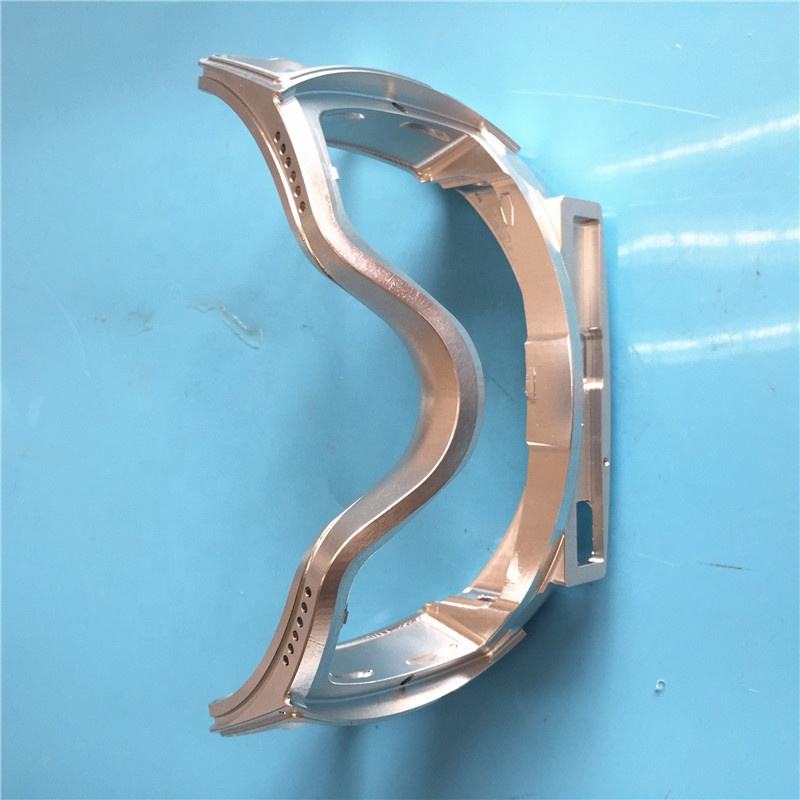
As a representative of PuKong CNC Machining, I understand that sourcing a reliable CNC machining supplier in China can be challenging due to the vast number of manufacturers with varying quality standards. Choosing the right supplier is critical for ensuring precision, cost-efficiency, and on-time delivery of machined parts.
This guide will help you evaluate and select a qualified CNC machining supplier in China by focusing on certifications, technical capabilities, quality control, communication, and past performance.
1. Verify Certifications & Industry Compliance
A reputable CNC machining supplier should hold internationally recognized certifications, proving adherence to quality and safety standards. Key certifications include:
- ISO 9001 – Ensures a standardized quality management system.
- AS9100 / IATF 16949 – Critical for aerospace and automotive industries.
- RoHS & REACH Compliance – Ensures environmentally safe materials.
- ITAR Registration (if applicable) – Required for defense-related machining.
Action Step:
- Request certification copies and verify their authenticity.
- Ensure they follow IP protection policies (ask for an NDA if needed).
2. Assess Manufacturing Capabilities & Equipment
Not all CNC shops have the same precision levels. Evaluate:
A. CNC Machines & Technology
- 3-axis, 4-axis, or 5-axis CNC machines? (5-axis allows complex geometries.)
- Swiss-style CNC lathes (for high-precision small parts).
- Multi-tasking machines (for milling & turning in one setup).
B. Material Expertise
Can they machine:
- Metals (Aluminum 6061, Stainless Steel 303/304, Titanium, Brass,Bronze)?
- Plastics (ABS, PC, PP, PEEK, Delrin(POM), Nylon)?
- Exotic alloys (Inconel, Magnesium, Copper)?
C. Tolerance & Surface Finish
- Standard tolerance: ±0.005″ (0.127mm)
- High precision: ±0.0005″ (0.0127mm)
- Surface finishes: Anodizing, Powder Coating, Polishing, Bead Blasting
Action Step:
- Ask for machine shop photos/videos or request a factory audit.
- Provide a test part to evaluate their machining accuracy.
3. Quality Control & Inspection Processes
A reliable supplier must have strict QC protocols to prevent defects:
- First Article Inspection (FAI) – Detailed report with dimensions.
- CMM (Coordinate Measuring Machine) – For micron-level accuracy.
- Optical Comparators & Surface Roughness Testers – Ensures finish quality.
- Material Certifications (MTC/Mill Test Reports) – Validates material grades.
Red Flags:
- No QC documentation.
- High defect rates (>2% is concerning).
Action Step:
- Ask for a sample inspection report before mass production.
4. Communication & Responsiveness
Poor communication leads to costly errors. A good supplier should:
- Have English-speaking engineers (or your preferred language).
- Provide a dedicated project manager for smooth coordination.
- Respond within 24 hours to urgent requests.
- Use clear drawings & 3D models (STEP, IGES, SolidWorks files).
Test Their Responsiveness:
- Send a detailed RFQ (Request for Quotation) and check reply time.
- Ask technical questions to assess their expertise.
5. Check Past Performance & Customer Reviews
A. Case Studies & Portfolio
- Do they have experience in your industry (medical, automotive, aerospace)?
- Can they show similar machined parts they’ve produced?
B. Client References
- Contact past clients for feedback on quality, delivery, and service.
C. Online Reputation
- Check Alibaba, Made-in-China, or industry forums for reviews.
- Look for long-term partnerships with Western companies.
Action Step:
- Request 3-5 references from past clients.
6. Pricing & Lead Time Transparency
Low cost ≠ High quality. Compare:
- Unit price vs. bulk pricing (MOQ requirements).
- Tooling costs (if applicable).
- Shipping & customs fees (FOB, EXW, DDP terms).
Standard Lead Times:
- Prototypes: 5-10 days
- Production runs: 2-4 weeks (depending on volume).
Action Step:
- Get 3-5 quotes to compare but avoid the cheapest option if quality is uncertain.
7. Logistics & After-Sales Support
A professional supplier should help with:
- Packaging (anti-rust, shock-proof for delicate parts).
- Shipping documentation (commercial invoice, packing list).
- Customs clearance assistance (especially for DDP shipments).
- Post-delivery support (rework, replacements if defects occur).
Conclusion
Selecting the right CNC machining supplier in China requires careful evaluation of certifications, equipment, quality control, and communication. Avoid suppliers with hidden costs, slow responses, or lack of QC documentation.
At PuKong CNC Machining, we meet these criteria with:
✅ ISO 9001 & AS9100 Certified
✅ 5-axis CNC & Swiss machining capabilities
✅ Strict QC with CMM & FAI reports
✅ Responsive English-speaking team
Need help sourcing a reliable supplier? Contact us for a free consultation & quote today!