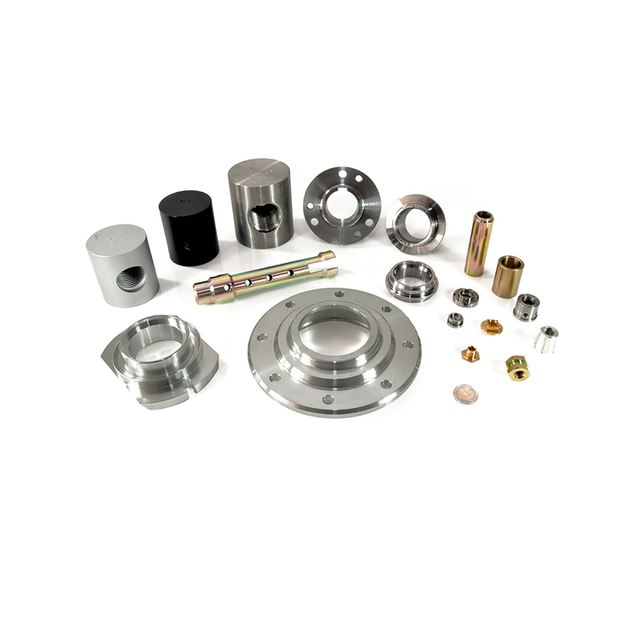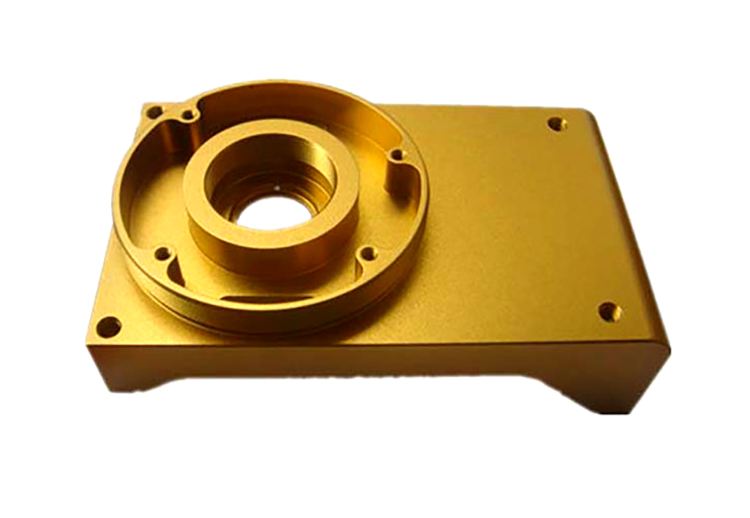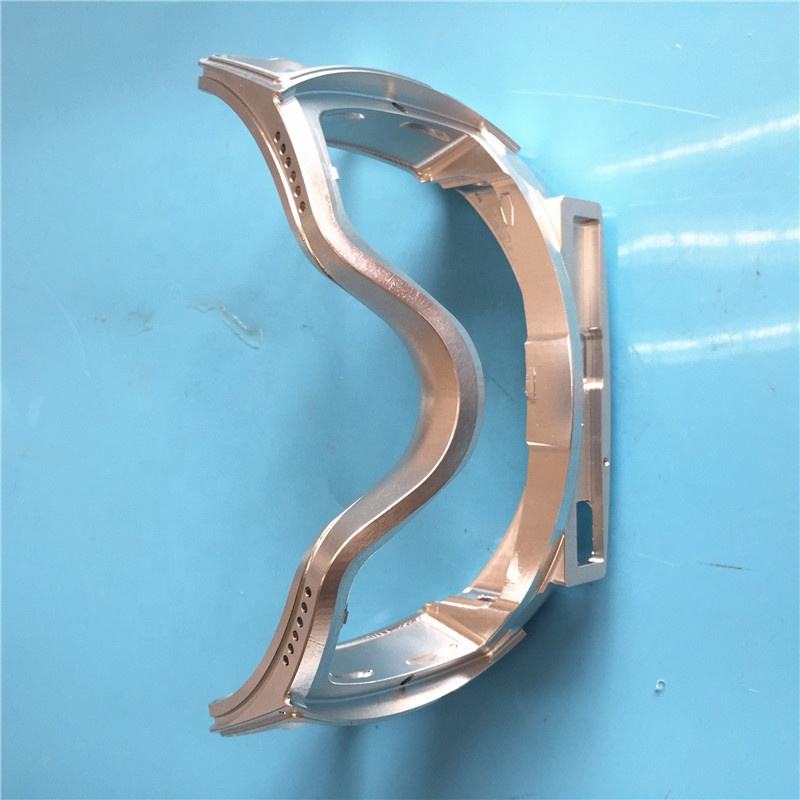
As a specialist in precision manufacturing, PuKong CNC Machining plays a critical role in advancing both the aesthetic and performance goals of the automotive aftermarket and professional racing sectors. Below is a detailed breakdown of the applications, advantages, and disadvantages of CNC machining in these fields.
What is CNC Machining?
CNC (Computer Numerical Control) Machining is a subtractive manufacturing process where pre-programmed computer software dictates the movement of factory tools and machinery. It involves removing material from a solid block (billet) using cutting tools to produce a custom-designed part with extremely high precision. Common materials include aluminum alloys, titanium, steel, brass, and engineering plastics.
Applications in Automotive Customization and Racing
CNC machining is the gold standard for producing high-strength, precision components where performance and reliability are non-negotiable.
1. Performance and Engine Components:
- Cylinder Heads: Machining of head surfaces (decking), porting and polishing of intake/exhaust channels, and creating precise valve seats.
- Intake Manifolds: Custom-designed manifolds optimized for airflow, often from billet aluminum.
- Pistons, Connecting Rods, and Crankshafts: High-performance, balanced components machined from forged billets for maximum strength and minimum weight.
- Turbocharger Parts: Compressor wheels, manifolds, and downpipes.
2. Drivetrain and Chassis Components:
- Gearbox Parts: Custom gear sets, differential housings, and shift linkages.
- Suspension Components: Control arms, uprights, knuckles, and pedal boxes machined from billet aluminum or titanium for superior strength and weight savings over cast parts.
- Brake System Parts: Brake calipers, brackets, and pedal assemblies.
3. Customization and Aesthetic Parts:
- Interior Accents: Precision-machined gear knobs, dashboard trim, speaker grilles, and custom badges.
- Under-hood Dress-up: Billet aluminum radiator covers, coolant overflow tanks, and fuse box covers.
- Wheels: High-end, forged custom wheels are machined from a single aluminum billet.
4. Prototyping and Tooling:
- Functional Prototypes: Creating parts for testing that will ultimately be produced via other methods (e.g., casting).
- Molds and Tooling: Manufacturing precise molds for composite parts (carbon fiber body panels) and jigs/fixtures for vehicle assembly and modification.
Advantages of CNC Machining
- Unmatched Precision and Accuracy: CNC machines achieve extremely tight tolerances (±0.025mm or better), which is critical for engine internals, suspension geometry, and ensuring perfect fitment.
- Superior Material Properties & Strength: Parts are machined from solid billets of material, which are inherently stronger and more reliable than cast or printed parts. This eliminates porosity and internal voids.
- Excellent Material Versatility: Can process an unparalleled range of materials, from various metals to engineering plastics, allowing engineers to select the ideal material for strength, weight, temperature, or wear resistance.
- Exceptional Surface Finish: Provides excellent surface quality directly off the machine, which can be further enhanced through finishing processes like anodizing, polishing, or powder coating.
- Repeatability and Consistency: Once a program is verified, it can produce hundreds of identical parts with perfect consistency, which is vital for racing teams running multiple cars.
Disadvantages of CNC Machining
- Higher Cost for Simple Parts: For very simple geometries or low-volume parts, CNC machining can be more expensive than additive manufacturing (3D printing) or casting due to material waste and programming time.
- Material Waste (Subtractive Process): The process starts with a solid block and removes material, leading to significant waste (chips/swarf), which can be costly with expensive materials like titanium.
- Design Limitations: While capable of complex parts, it struggles with deeply internalized channels or geometries that are trivial for 3D printing. Design is often constrained by the need for tool access.
- Longer Lead Time for Complex Programming: Intricate parts require sophisticated CAM programming and setup, which can increase initial lead times compared to setting up a 3D print.
Conclusion: The PuKong CNC Machining Advantage
In the high-stakes worlds of automotive customization and motorsport, failure is not an option. While technologies like 3D printing excel for rapid prototyping and complex ducts, CNC machining remains the indispensable method for creating critical, load-bearing components that must withstand extreme forces, heat, and vibration.
At PuKong CNC Machining, we provide the precision, material expertise, and reliability that top tuners and racing teams depend on to push the boundaries of performance. From a one-off custom bracket to a full run of performance engine components, we deliver the quality and accuracy that ensures victory and safety.
Contact us today to discuss how our capabilities can bring your most demanding automotive projects to life.